Parasites are everywhere. We try not to think about it, of course, but reality is a stubborn thing. Right now, Cyclospora is having a moment in the United States. Michigan is seeing the brunt of cases. Health officials point a trembling finger at lettuce and salad greens. Fecal contamination. Disgusting, yes. Real, too.
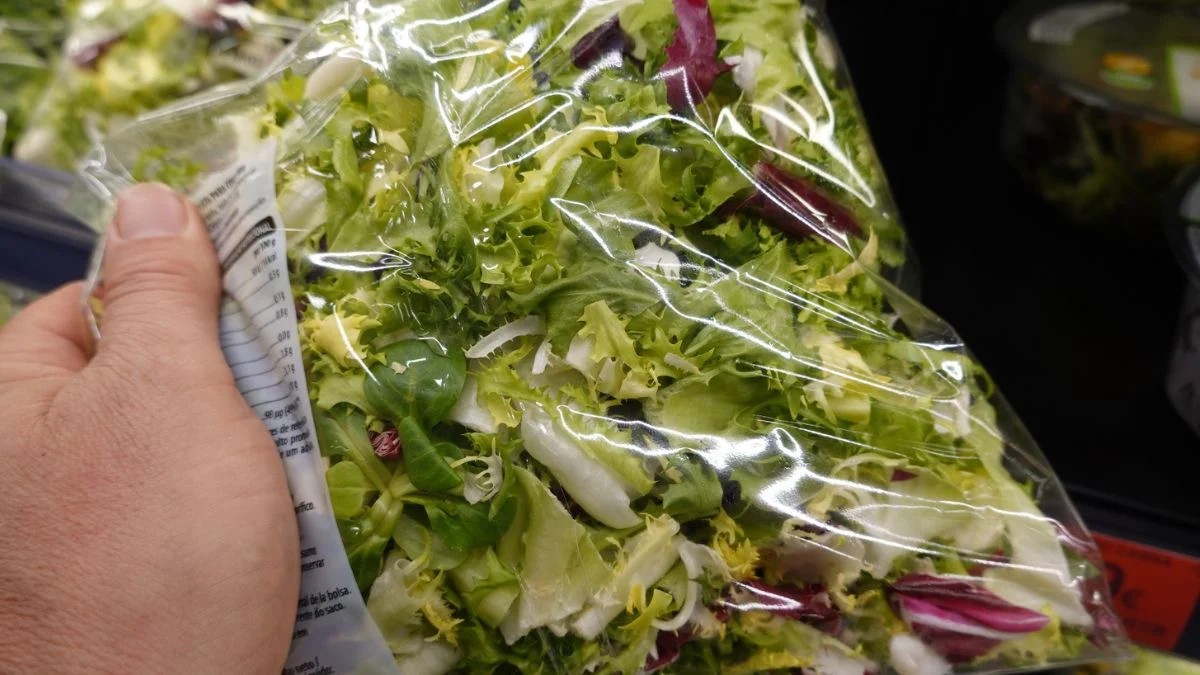
We don’t know the source. No specific grower, no named supplier. But bagged salads are a notorious vector. They’re eaten raw. There are so many steps between the farm and your fork where things can go wrong.
Remember the E. coli outbreaks in Australia? Gastroenterologist Vincent Ho said something simple then that still holds true today. “Washed and ready to eat” is a selling point. It’s also a suggestion you should ignore.
He told people to wash them anyway.
Experts are echoing this now. Avoid bagged salads. Skip the restaurant salad bars. Epidemiologist Marisa Donnelly advises sticking to things with peel. Cucumbers. Oranges. Smooth surfaces that you can scrub or shuck away. It’s not elegant. But it works.
Why risk it?
Cyclospora is the current headline. But it’s just one of many pathogens waiting in your produce bin. A new World Health Organization report, published in The Lancet, looks at the global toll of foodborne parasites. They measured the damage in Disability-Adjusted Life Years (DALYs) for 2021. The number is staggering.
Over 4.8 million healthy life years were lost globally to food-borne parasites in a single year.
The biggest offender isn’t lettuce. It’s the pork tapeworm, Taenia solium. You get it by eating raw or undercooked pork. The cysts grow into adult worms in your small intestine. Or, you can get it from vegetables contaminated with infected human feces. It sounds like a nightmare sequence, but it’s biology.
How do you avoid it? Cook the pork. Cook the veggies. Freeze the pork at -10 °C for five days. Keep untreated feces away from food and pigs. Basic sanitation saves lives. Wash your hands. Before cooking. After handling raw food. It feels trivial, but it matters.
Then there’s Clonorchis sinensis, a fluke that loves fish. Common in Asia and Russia. Mostly China. It hits you when you eat raw fish containing the larvae. Toxoplasma gondii is another widespread protozoan. Many people have it and feel fine. Totally unaware. But if you’re pregnant, or if your immune system is down from HIV or a transplant, this parasite is dangerous.
Keep the cats out of the garden. Better yet, keep them indoors. Do not compost cat litter. Never. Pregnant women shouldn’t touch litter at all.
The WHO report lists others. Cryptosporidium, Fasciola, Trypanosoma cruzi, Ascaris. A alphabet soup of discomfort. Most are avoided by staying away from human waste and dirty water. Splash pools are not for swimming if they’re untreated.
And let’s address the elephant in the bedroom.
If you or your partner just fought off a foodborne parasite, stop. Do not engage in rear-end exposure. Wash up. Before. After. Explosive diarrhea ruins romance. Fast.
Related reading suggests diarrheal illnesses are surging right now. Context helps.
Washing with soap and water is king. Alcohol-based sanitizers don’t cut it against all these beasts. They aren’t as effective. Cook your food properly. Wash your fruits and vegetables with clean water. Thoroughly. It’s tedious. It’s annoying. But compared to losing healthy years to a parasite in your gut?
Worth it.
You do the wash. The parasite goes in the sink. You stay healthy.