You cannot tell the whole story from stone alone.
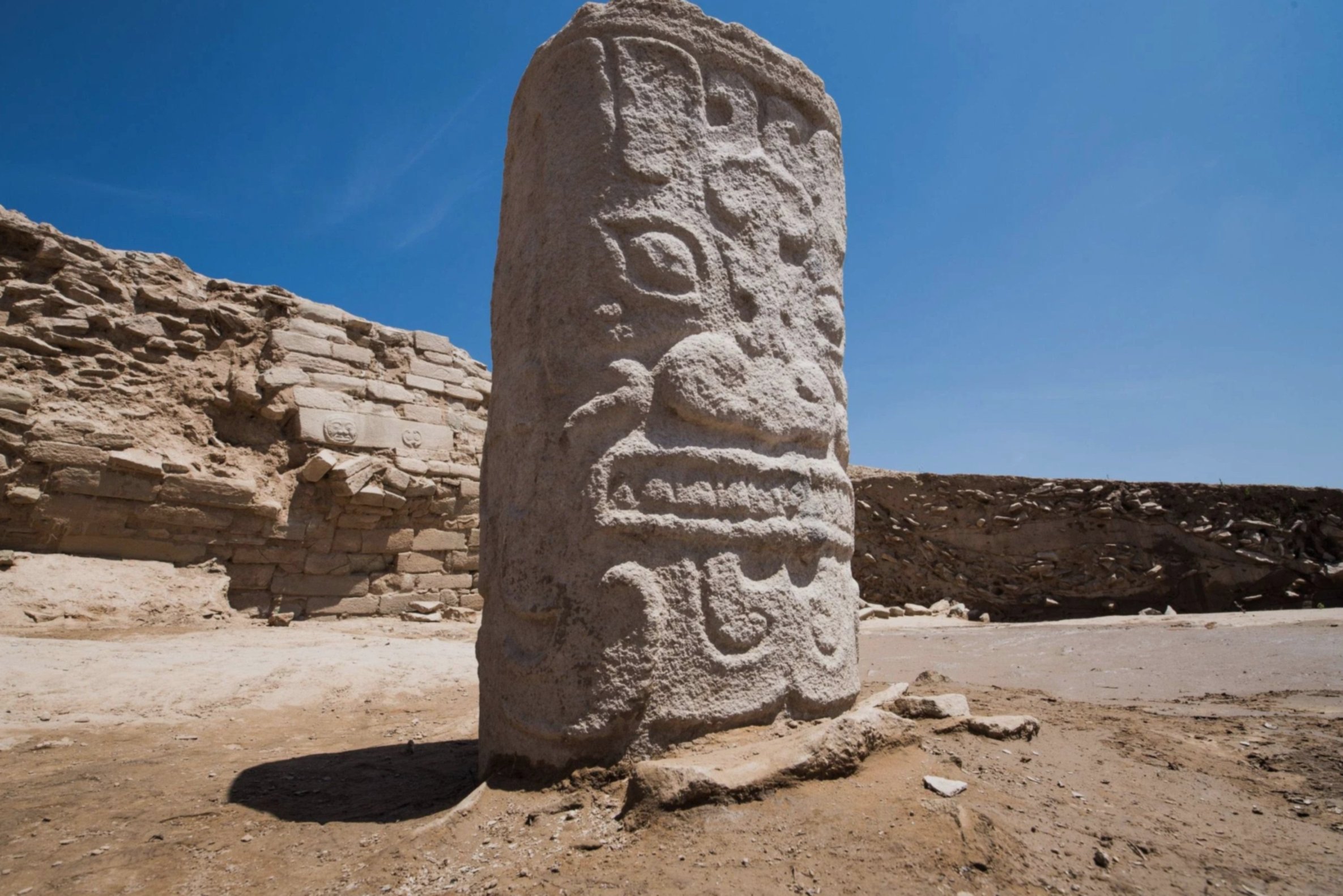
Archaeology has long puzzled over Shimao. That massive walled city in northern China. Four square kilometers of it. But dirt does not speak on its own. DNA does.
The new study in Nature cracks the case wide open. It reveals where the people came from. How they organized their families. And exactly who they killed.
Who Lived Here
Led by Prof. Qiaomei Fur from the Institute of Vertebrate Paleatology and Paleoanthropology. Plus a host of partners across Shaanxi and Shanxi provinces. They spent over a decade at it. 169 ancient samples. 144 of them unrelated.
The result is clear.
The Shimao people were largely local. Descended from folks who had lived right there for roughly 1000 years. They tied back to the Yangshao culture on the Yellow River Plateau.
But they did not sit isolated.
Genetics shows links to everywhere else. Taosi culture to the south. Steppe groups. Rice farmers down further south. It was a wide network. Interaction wasn’t rare. It was the norm.
Bloodlines And Bias
Here is the real kicker.
The social structure was strict. Patrilineal. Men passed down the line. Families stayed put. Researchers reconstructed pedigrees spanning four generations. You could almost see the family tree carved in stone.
Which leads us to the sacrifices.
Remember the skulls. About 80 of them. Piled near the East Gate. Before now. That was the most massive cache of skulls in China until the late Shang. Everyone guessed who was there. Women. That was the old assumption.
Genetics disagrees.
Nine out of ten of those bodies were male.
Just like that. The old narrative goes up in smoke.
It was gender specific. Male bodies ended up at the East Gate. Female sacrifices were buried elsewhere. Linked to elite cemeteries like Huangchengtai.
Ritual had a map. Rules for where men died. Different rules for where women went. It was organized. Coldly so.
Why separate the genders like this? We don’t know for sure. Maybe different gods demanded different blood.
This gives us the first real look into power structures of early East Asian states. How ruling families were built. How rank was earned or inherited. It isn’t just about pots and shards anymore. It’s about who owned whom.
The stone walls remain silent. But the genes talk loud enough.