You probably picture Alan Turing as cold.
Isolated. A math genius who lived inside his head and couldn’t talk to people without awkward pauses.
The movies did that to us.
The Imitation Game turned him into a brooding hero. Benedict Cumberbatch did his job. But the job was wrong.
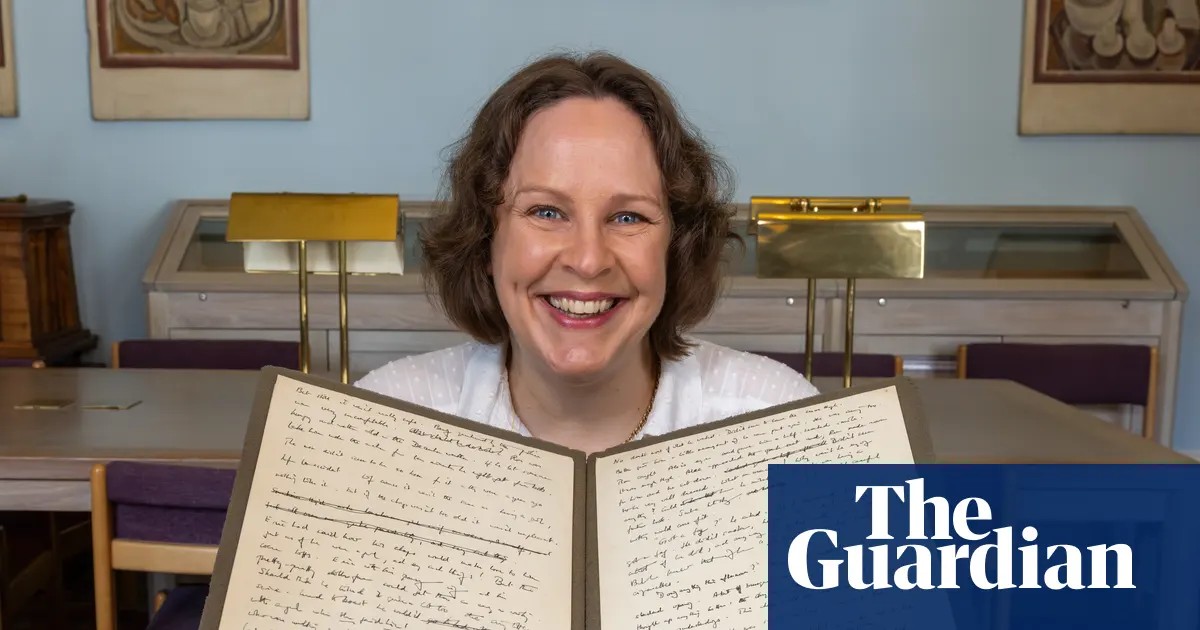
Sarah Dillon, a literature professor at Cambridge, found something that breaks that image. She dug through archives. Found a handwritten six-page story.
It’s racy.
It’s funny.
It’s about sex.
Turing wrote it right after the British state tried to crush him. In 1952. The year he got arrested for being gay. The year before he died.
We think we know this figure and we doesn’t. There was more to him.
Dillon argues we have it wrong. Turing wasn’t just logic and numbers. He liked literature. He liked jokes. He really, really liked sex.
How Alan Turing’s Hidden Story Challenges The Imitation Game Narrative
Why does the film version matter so much? Because most people only know Turing through cinema.
Hollywood loves a lone genius. They love the guy who refuses to collaborate. The guy who pushes everyone away because they’re too smart or too sensitive.
Dillon watched The Imitation Game again recently. Just to check.
It confirmed her memory. It’s a good film. It’s also historically shaky.
It paints Turing as one-dimensional. No humor. Antagonistic. Lonely.
That’s the trap.
Once you see a character like that on screen, it sticks. You stop looking for the rest of the person.
Dillon wants to reset that.
She thinks Turing was actually quite social. Or at least, he wasn’t the antisocial hermit the movies sell. He was “playful, cheeky.” He engaged with life even when life was punching him in the face.
What Is Pryce’s Buoy and What Does It Reveal About Alan Turing’s Sexuality?
The story is called Pryce’s Buoy.
It’s unfinished. Probably written late 1952 or early ’53.
Turing experts knew it existed. But nobody bothered to transcribe it. The handwriting is messy. It got sidelined. Forgotten.
Dillon read it.
The characters are Alec Pryce and Ron Miller.
Alec is a scientist. He invented “Pryce’s Buoy” when he was twenty. This is clearly autofiction. Turing inserting himself into the story.
Ron is a working-class sex worker. He’s broke. He’s unemployed. He sees Alec in the park.
He thinks he can make five bob. Ten minutes under the arches.
They sit on a bench. Ron judges Alec. Thinks he looks shabby but well-off. Alec looks at Ron. Thinks he’s “not a real beauty” but has “a certain appeal.”
Beggar’s can’t be choosers.
They go to a restaurant.
Turing captures the tension perfectly. The hesitation.
Am I reading this right? Do they want this? Can I back out?
Dillon points out that Turing gets the “leaning in and backing out.” The uncertainty. The worry about putting your foot in it.
This wasn’t a man ashamed of his sexuality.
This was a man exploring it. In narrative.
Where Did Alan Turing Draw Literary Inspiration from Angus Wilson?
Did Turing just make this up?
Maybe. But Dillon sees influence.
Angus Wilson.
Wilson was a huge literary figure back then. Now? Mostly forgotten.
He wrote Hemlock and After. A pioneering gay novel.
Dillon says Turing copied Wilson.
Phrases. Techniques.
It’s not plagiarism in the malicious sense. It’s scaffolding. When you start writing creatively, you’re scared. You mimic the things you like. You build a frame around your ideas.
Wilson provided the frame.
Turing provided the voice.
And the voice is confident.
Ron tells Alec: “Bed’s bed whatever way you got into it.”
Alec thought otherwise. But the conversation is there. Direct. Unapologetic.
Why Does the Timeline of Alan Turing’s Life Matter for This Story?
Context changes everything.
1952 was not a good year.
Turing was arrested in Manchester. Prosecuted for gross indecency.
He chose chemical castration over jail.
The treatment was brutal. Humiliating.
In 1954 he died. Cyanide poisoning. Suicide? Accident? The coroner said suicide. Some people still argue.
It doesn’t change the pain.
Two years later he’s dead. The government didn’t apologize until 2009.
For fifty years, he was a pariah. A cautionary tale.
Yet here he is.
Writing a story about two men meeting in a park.
Holidaying in Norway that same year. Having liaisons. Tolerant social atmosphere there.
His sexual spirit wasn’t dampened.
Dillon is certain.
This isn’t a tragic figure hiding in the shadows. It’s a man who kept his wit. His literary taste. His desire.
He’s come to be seen as socially aware… His short story reveals a very different.
The findings are in the Review of English Studies.
It’s not just about history. It’s about who he was when the camera wasn’t rolling.
Or when the code wasn’t being broken.
Maybe the real Turing wasn’t the lone wolf.
Maybe he was the guy who knew how to talk to a sex worker on a park bench.
Maybe that’s more important than the code.
Who knows?
We keep finding more.
The archives don’t lie.
But they do hide things.