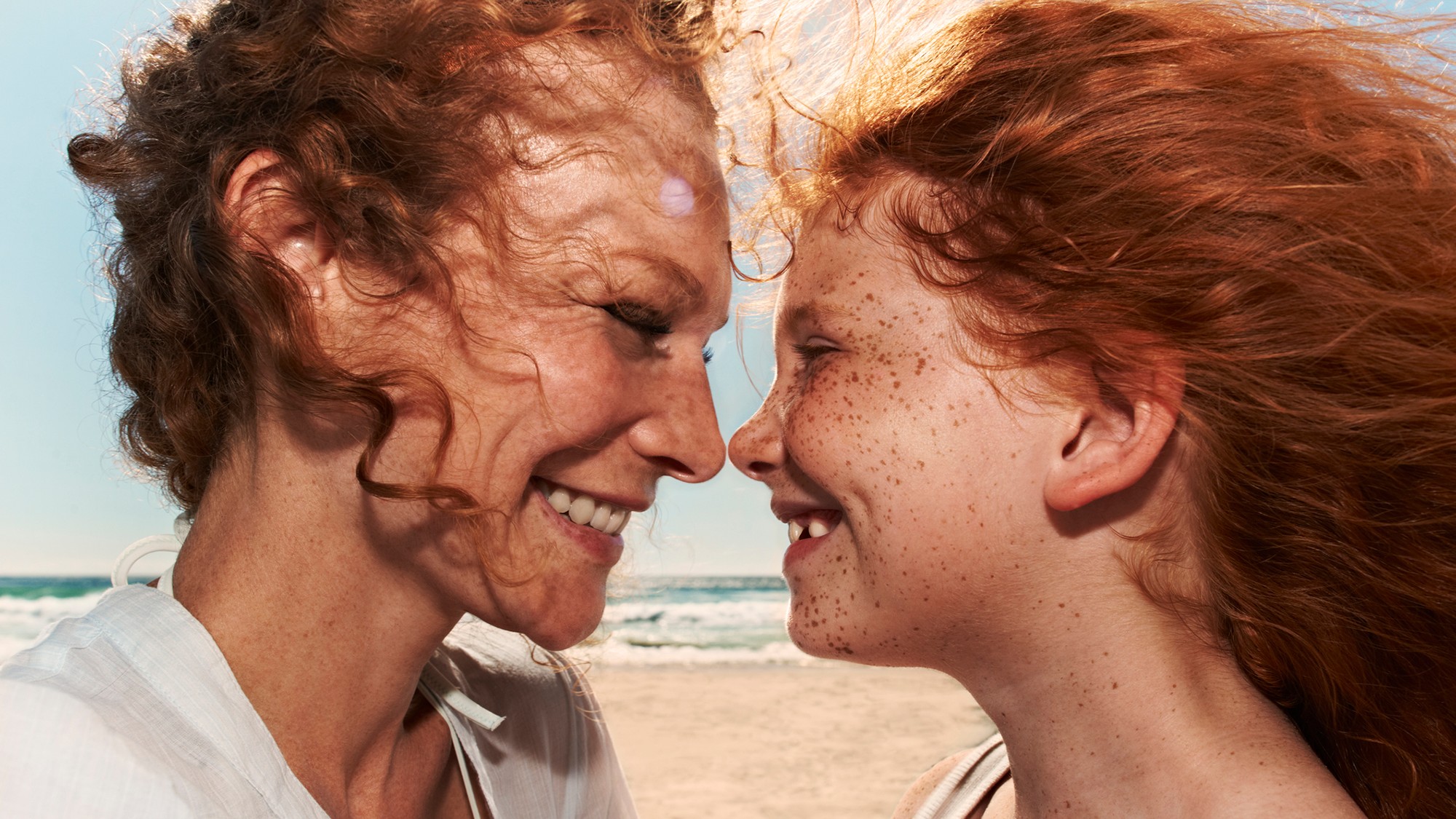
Red hair is vanishing? That’s a myth. It’s persistent, sure. We see headlines about ginger locks going the way of the dodo. But experts say that won’t happen.
The numbers are striking. Natural redheads make up less than 2% of people globally. In hotspots like Ireland and the UK, it’s about 10%. Low numbers usually signal trouble for a trait. Extinction? Not so much.
There is zero evidence redheads are dying out. The genes responsible are harmless. They don’t stop reproduction. They aren’t linked to fatal diseases that hit before reproductive age. That’s the short answer from geneticists. But the long answer involves recessive genes, hidden carriers, and a bit of evolutionary luck.
The math of recessive genes
Red hair is recessive. You need two copies of the variant gene, MC1R, to get the color. One from mom. One from dad.
Here is the trick. You can carry the gene without showing it. People with blond, brown, or black hair often carry the MC1R variant silently. They just don’t express the red pigment.
Ian Jackson, professor emeritus at Edinburgh University’s Institute of Genetics and Cancer, notes this question has floated for decades. Similar panic hit blond hair in the mid-19th century. Same pattern. Low numbers. Panic. Then… nothing.
Let’s look at the carrier effect. Imagine a variant is carried by 50% of a population. Only 25% of couples will both carry it. And of those couples? Only 25% of their kids will inherit both copies.
The math keeps the gene alive. It hides in the gene pool. As long as carriers exist, the flame stays lit. It doesn’t need to shine on everyone. Just enough people to keep the lineage going.
Jonathan Rees, dermatology professor emeritus, puts it bluntly. Traits only go extinct in large groups if people with those traits have fewer kids. There’s no proof redheads are having fewer children. They are not being weeded out by failure to reproduce.
Melanoma risks don’t mean extinction
Then there is the health angle. Redheads burn easier. Higher risk of melanoma. Some argue natural selection should wipe them out.
It’s a valid concern. Pheomelanin, the pigment behind the red hue, has some harsh chemistry. It offers less DNA-repair protection. Melanoma rates are higher.
But evolution doesn’t work on a human timeline. Many skin cancers appear later in life. After kids are grown. Cancer Research UK notes melanoma mortality peaks in the 90s. By then, the genes have been passed on.
Before sunscreen? Maybe different. Before modern medicine? Likely worse outcomes. But we aren’t living in that era. And even then, the trait has persisted for millennia. So there must be some balance. Or some advantage.
Hidden advantages of the MC1R gene
Is there a benefit? Possibly.
Pheomelanin might help regulate cellular cysteine. Too much cysteine is bad for cells. Red hair pigment could act as a buffer.
Then there is the vitamin D story. Lighter skin absorbs UVB better. More vitamin D in cloudy winters. It’s the popular theory. But Rees says the evidence is shaky. Defining “redhead” is messy. It’s a spectrum. Strawberry blond sits right on the border. Hard to study without massive genomic sequencing.
Still, the gene stays. Frequency might drop as populations mix and mobile. People from regions without high MC1R frequency interbreed. Dilutes the trait slightly.
But dilution isn’t extinction. It’s just change.
Will red hair survive the next century?
Yes.
The variants are embedded in billions of genomes. Hidden in carriers. Protected by recessive inheritance. As long as MC1R exists in the carrier population, redheads will appear. Maybe less frequently in some areas. Maybe not. But gone? No.
Evolution is slow. Human migration is fast. The genetics are complex. But the bottom line remains clear.
Redheads aren’t going extinct. They’re just hiding in plain sight.