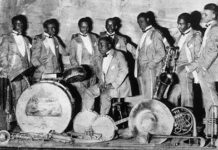
It started with a protest in a trade journal. Jerry Wexler coined the term rhythm and blues in 1947 while editing charts for Billboard. He was tired of seeing records by Black artists labeled with demeaning names like “Harlem Hit Parade,” “Sepia,” or “Race.” So he changed the language. By June 17, 1949, the magazine officially rebranded the chart. It had already been using the new phrase in news articles for two years prior, but the official rename cemented it in history.
This wasn’t just a title swap. It marked the birth of a genre that would swallow rock and roll whole.
The Sound of Urban Sophistication
What exactly was this music?
Think of sophisticated urban sound. It had been brewing since the 1930s. Louis Jordan led the charge. His small combos played blues-based records with a twist. The lyrics were humorous. The rhythms were upbeat. It owed as much to boogie-woogie piano as it did to classic Delta blues forms.
Critics often call this jump blues. It set the pattern for dominant Black popular music during World War II and kept ruling the airwaves for years after.
Jordan wasn’t alone. The scene was packed with talent.
- Amos Milburn
- Roy Milton
- Jimmy Liggins
- Joe Liggins
- Floyd Dixon
- Wynonie Harris
- Big Joe Turner
- Charles Brown
These artists defined the era. Their repertoires were diverse. Many tracks followed the classic 12-bar A-A-B blues structure. But they also played straight pop songs. Some numbers were instrumentals that hovered close to light jazz. Others dipped into pseudo-Latin compositions. It was messy. It was vibrant. It was new.
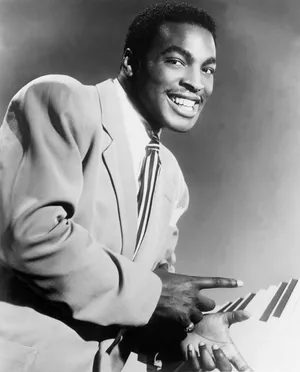

How Rhythm and Blues Evolved Beyond the Big Band
The split in rhythm and blues wasn’t just about sound. It was about size.
Large-group R&B relied on the infrastructure of big bands. Singers like Lucky Millinder’s vocalists or Count Basie’s chorus (which included Turner and Jimmy Witherspoon) were hired hands. They played it safe. They played it tight.
Then came the small groups. Five or seven members. No big horn section holding everyone back. In these setups, everyone got a turn. Milton’s group is the classic example. Milton hit the drums and sang. Camille Howard took the piano and the mic. The sax players—tenor and alto—rotated through solo spots.
But there was one rule.
Don’t touch the guitar.
If a guitar showed up, it kept time. That’s it. Soloing on guitar was seen as “country.” Unsophisticated. Uncool.
Charles Brown took this to the extreme. With Johnny Moore’s Three Blazers, and later as his own bandleader, the setup was stark. Piano. Bass. Guitar. But the solos? Only Brown touched the keys. The guitar stayed in the background. It was a statement.
The Shift from Los Angeles to New York
Early recordings happened in Los Angeles. Labels like Modern, RPM, and Specialty owned the market. Small indies. Local sounds.
Then Atlantic Records changed the game.
Founded in 1947 by Ahmet Ertegun and Herb Abramson. Ertegun was the son of a Turkish diplomat. A jazz fan. Abramson knew the business. Together, they moved the industry’s center of gravity to New York City.
By 1953, Jerry Wexler joined as a partner. He and Ertegun pushed rhythm and blues forward with intent. They hired jazz musicians for studio work. They cared about how the records sounded. Tom Dowd, the engineer, ensured clarity.
Atlantic didn’t just record. They launched careers.
They brought in Ruth Brown. LaVern Baker. They signed Ray Charles. Charles was imitating Charles Brown at the time. Atlantic helped him pivot. That pivot became soul.
Wexler and Ertegun also worked with Clyde McPhatter and Chuck Willis. Both were giants in the early 1950s.
Other cities mattered too.
King Records in Cincinnati. Chess and Vee Jay in Chicago. Duke/Peacock in Houston. Sun Records in Memphis, before Sam Phillips chased Elvis and rockabilly. J&M Studio in New Orleans recorded many hits for those LA labels. The map was expanding.
The Great Divergence: R&B vs. Rock and Roll
By the mid-1950s, the lines blurred.
Rhythm and blues stopped being teen music. It became Black popular music for everyone else. Rock and roll, meanwhile, focused on first loves. Parent-child conflict. A heavier, less subtle rhythm.
So who qualified for which chart?
Doo-wop groups? Rock and roll. Little Richard? Rock and roll. Hank Ballard and the Midnighters? Rock and roll.
But the rules were soft. Most artists released records that fit both categories. Dinah Washington, later seen as a jazz icon, appeared on R&B charts. Saxophone instrumentals by Joe Houston, Chuck Higgins, and Sam (“The Man”) Taylor stayed in the R&B tradition. Yet disc jockeys used them as theme music for rock and roll radio.
The audience age defined the genre.
Older listeners? Chicago and Memphis electric blues. Muddy Waters. Howlin’ Wolf. B.B. King. Even though they had nothing in common with the band-backed shouters of the past, they were labeled R&B because they appealed to grown-ups. King was an outlier. He used horns when he could. He looked back more than he looked forward.
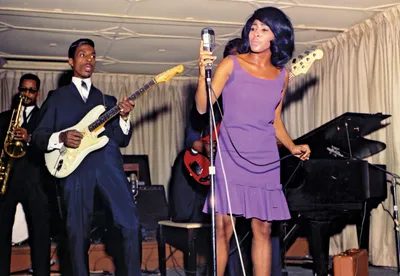
Ike Turner bridged the gap.
A piano player turned guitarist from Mississippi. He scouted talent for labels. He fronted the Kings of Rhythm. When he married Anna Mae Bullock, renaming her Tina, the Ike and Tina Turner Revue arrived.
They modernized the sound. No horns. Female backing singers modeled after Ray Charles’s Raelettes. It was tighter. Harder.
The End of an Era
By 1960, rhythm and blues was aging.
It wasn’t dead. Just tired.
Washington. Charles. Ruth Brown. They played nightclubs now. Not the multiperformer revues that made them famous.
New names emerged. Jackie Wilson. Sam Cooke. They owed a debt to the previous generation. But they were transitional. Like Charles, they were building soul.
The official sign of the shift came in 1969.
On August 23, Billboard changed the name of the Black pop chart. It was no longer rhythm and blues. It was soul.
Soul became the preferred term.
But R&B didn’t vanish. It lingered. In some corners, it still refers to nearly every genre of post-World War II Black music. A broad umbrella. A lingering ghost.
The music moved on. The label stayed behind.
The label rhythm and blues shifted gears entirely after the Beatles kicked the door open. British groups didn’t just copy the sound; they redefined what the term meant.
Take the Rolling Stones. They weren’t playing pure Chicago blues. They were mixing it with Black rock and roll and calling it R&B anyway. It was a marketing move as much as a musical one.
“Today a band that advertises itself as rhythm and blues is almost certainly following this tradition rather than that of the early pioneers.”
Even the Who, who were deeply entrenched in the mod rock scene, branded their early gigs as “Maximum R&B.” Why? To draw a crowd. It worked.
Who Was Included in the R&B Label?
This British wave created a new rubric. It wasn’t just about the blues purists.
- The Animals
- Them
- The Pretty Things
These acts stuck to the R&B tag. But it wasn’t universal. John Mayall’s Bluesbreakers and Fleetwood Mac preferred the simpler “blues band” descriptor. The distinction mattered to how audiences perceived them.
The legacy is clear. If you see a modern group claiming the R&B title, they’re likely echoing that British Invasion strategy. Not the original African American pioneers of the 1940s. But the post-Beatles British reinterpretation.
The definition stuck because the marketing worked better than the history.