1776 was a grounded year. Boots hit dirt. Birds flew; humans watched. We envied their freedom but stayed rooted to the soil while America declared independence.
Kites soared in ancient China. Renaissance drafters sketched impossible machines. None flew. We were still crawling.
Then the air got hot. The Montgolfier brothers tied baskets to balloons and lifted two men over Paris in 1783. Seven years after the Declaration, we left the ground. Bam. The sky opened up.
Wait a century more. Power arrived. The Wright brothers wobbied through North Carolina’s air on Dec 17 1903. Heavy machines defied gravity. We had mastered the sky but ignored the void.
How fast can you move once you’re flying? Faster than you’d think.
Yuri Gagarin orbited Earth in 1961, 58 years after the Wrights. Then the moon came into view. Eight years after Gagarin, Apollo 11 splashed down the Cold War rivalry with Neil Armstrong’s step. Buzz Aldrin was right there. Five more crews followed. Flags planted. Dust kicked. Machinery abandoned to decay.
That was decades ago.
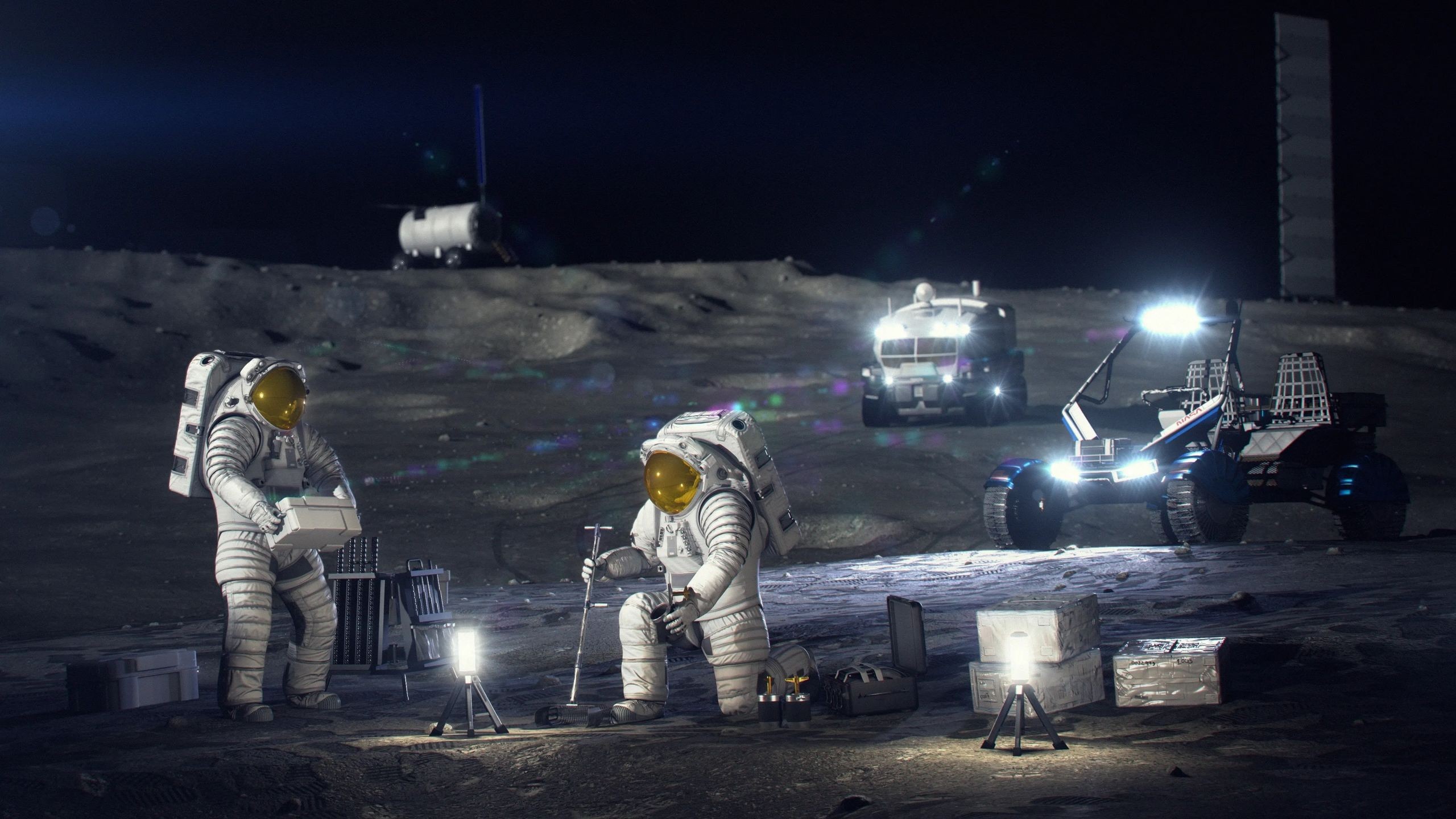
Now we’re going back. But not alone. Not just to touch and go. NASA is building a camp near the south pole under the Artemis banner. Why there? It’s a stepping stone. A training ground for the real prize: Mars.
The momentum is real. Artemis I sent an uncrewed capsule to orbit in late 2022. Success. Artemis II carried four humans past the moon this past April. Success. The next step? Artemis III.
It’s a puzzle waiting to snap together.
Docking in orbit with lunar landers—Starship from SpaceX and Blue Moon from Blue Origin—in 2027. Easy, right?
Reality is harder than the timeline.
Neither lander has flown to orbit yet. Neither is cleared for passengers. 2028 is the target for Artemis IV to put boots in the south polar regolith. If nothing breaks. If funding holds. If physics cooperates.
We’re not racing a shadow this time.
China wants on the moon by 2038—sorry, 2030. They have partners. Russia helps. They also eye the south pole. Why? Water ice. Life support in the desert.
The US matured as an industrial giant right after the Wright brothers flew. We have spent a century leading aerospace. When someone pushes, we jump higher.
China is pushing.
Will we rush back? Maybe. Will it be perfect? Doubtful. The calendar is ambitious. The technology is unfinished.
But we keep moving. The sky was never enough.