Antarctica froze first. Not because it was colder. But because it was taller.
A new study published in Science argues that a geological head start hidden beneath the continent explains why Antarctica became an ice ball while the Arctic stayed mostly warm. Roughly 34 million years ago. A huge gap.
Here is how the interior of the planet tricked the surface.
The Ground Rose Up
Start with Gondwana. The supercontinent broke apart. Antarctica split from Africa during the Jurassic. About 201 million years ago, give or take.
When they tore away, it disturbed the rock underneath. Hot. Slowly moving.
Those disturbances sent waves through the Earth’s mantle. Like ripples in a pond, but solid. These waves stripped material from the deep roots of the continent. That heavy stuff sank.
So what went down must go up.
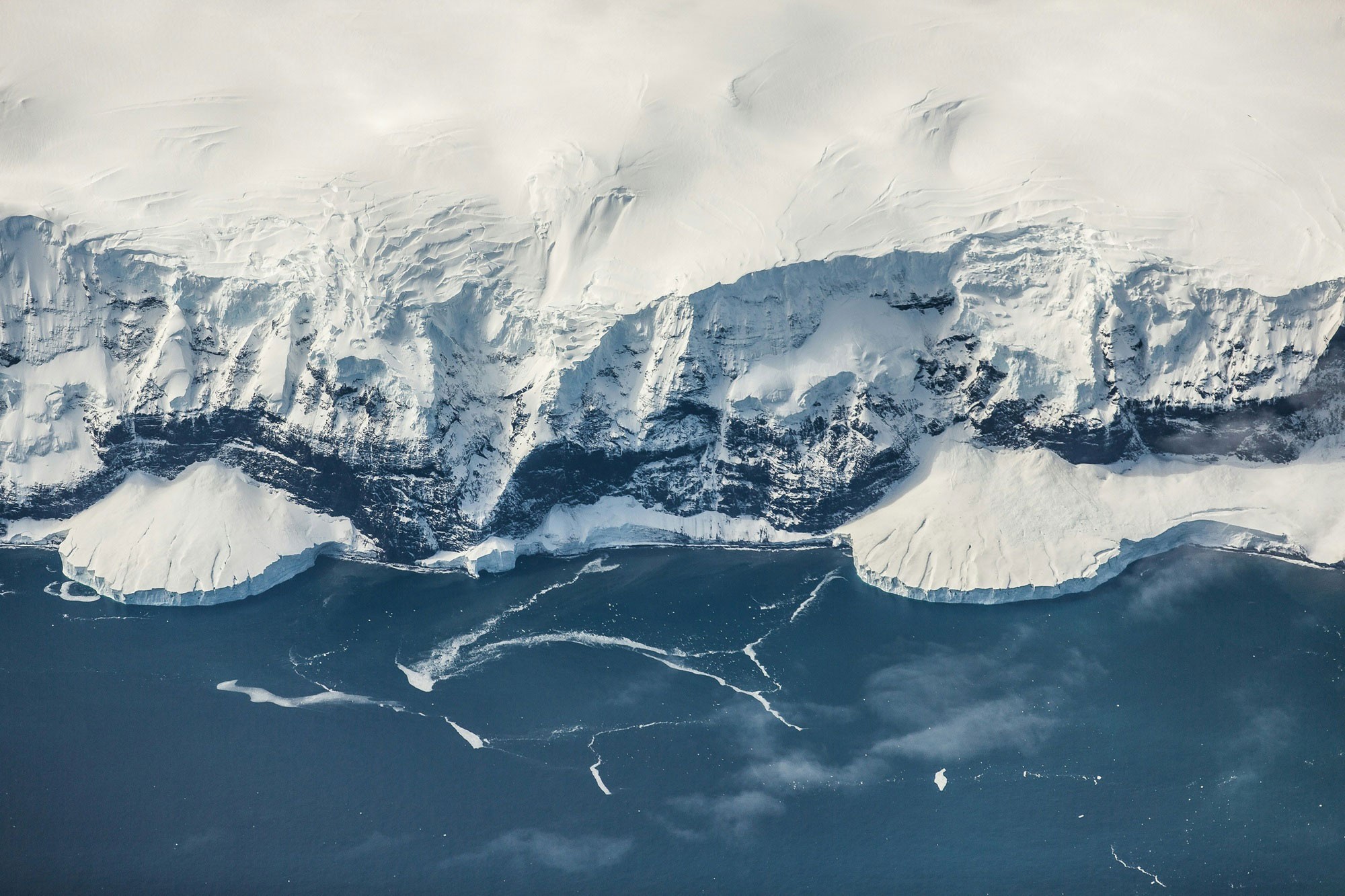
The surface lifted. Tens of millions of years of slow rise. East Antarctica grew a steep coastal edge, a broad plateau, and a mountain range called the Gamburtsevs. Today, those peaks are buried under two to three kilometers of ice. You can’t see them. You can only feel the height they gave the snow.
Thomas Gernon at the University of Southampton puts it simply:
Antarctica’s land surface was gradually lifted to a point where ice could take permanent root, even when global temps were surprisingly high.
Think about that. The world was roughly 5°C hotter than it is now. Warmer. But the mountains were so high that snow didn’t melt. It stacked up. Year after year.
Hitting the Height Limit
The researchers modeled over 100 million years. They linked tectonic plates to mantle shifts and erosion. The computer says the data is clear.
Around 45 million years ago. Big swaths of East Antarctica crossed a threshold.
Two kilometers up.
1.2 miles.
That specific elevation changed everything. Below it, snow melts in summer. Above it? Glaciers survive. They grow. They merge.
Dr. Thea Hincks noted the models showed how the escarpment and plateau evolved to seed the East Antarctic Ice Sheet. It wasn’t just luck. It was geometry.
Why did this happen? And not the Arctic?
The Unfair Advantage
The Arctic has no such boost. Most of the land around the North Pole is low. Even if CO2 dropped, the physics wouldn’t work there yet.
“If CO2 alone did it,” Gernon says, “the poles would freeze symmetrically.”
They didn’t. Antarctica got the altitude.
Guy Paxman from Durham University points out a brutal fact about elevation: air temperature drops by 1°C for every 100 extra meters. Before 50 million years ago? The Gamburtsevs were too low. Under 1.5km. Too warm.
By 34 million years ago? Nearly half the range stood above 2km. The tipping point.
Snow stayed through the summer. Ice caps formed. Then gravity did its work, pulling glaciers down the slopes. They merged. One sheet.
Feedback Loops Kick In
Once the ice started moving, it started fighting back against the heat.
Bright ice reflects sunlight. Dark ocean absorbs it. As the white sheet spread, it bounced solar energy into space.
Dr. Philip Goodwin calls it the “ice-albedo effect.” It cooled the region by about 1°C.
That doesn’t sound like much. It was.
It dried the air out, too. Cold air can’t hold water vapor. Less water vapor means less heat trapped in the sky. The insulation vanished. Temperatures dropped further.
Goodwin describes these feedbacks locking Antarctica into ice. From mountains to coast. Inexorable.
The North Pole? Still waiting. It wouldn’t develop major ice sheets until about 5 million years ago. Nearly thirty million years later. Antarctica won the race because it had a head start carved in stone.
What Lies Beneath
This changes the script on ice ages.
We usually blame the atmosphere. CO2. Methane. Sure. They matter. But the ground itself matters, too.
Plate tectonics. Deep earth activity. They reshape continents before the climate even knows to change. They decide where the snow will survive.
Gernon’s final take is stark:
Earth’s interior preconditions landscapes for glaciation, determining when major climate transitions become possible.
We are looking at future tipping points right now. We might be ignoring the basement while we worry about the attic.
The East Antarctic Ice Sheet holds enough water to lift the seas by 52 meters if it melts. That’s a lot of water. Sitting on a mountain range created by forces deep in the crust.
Who knew the floor had a plan?