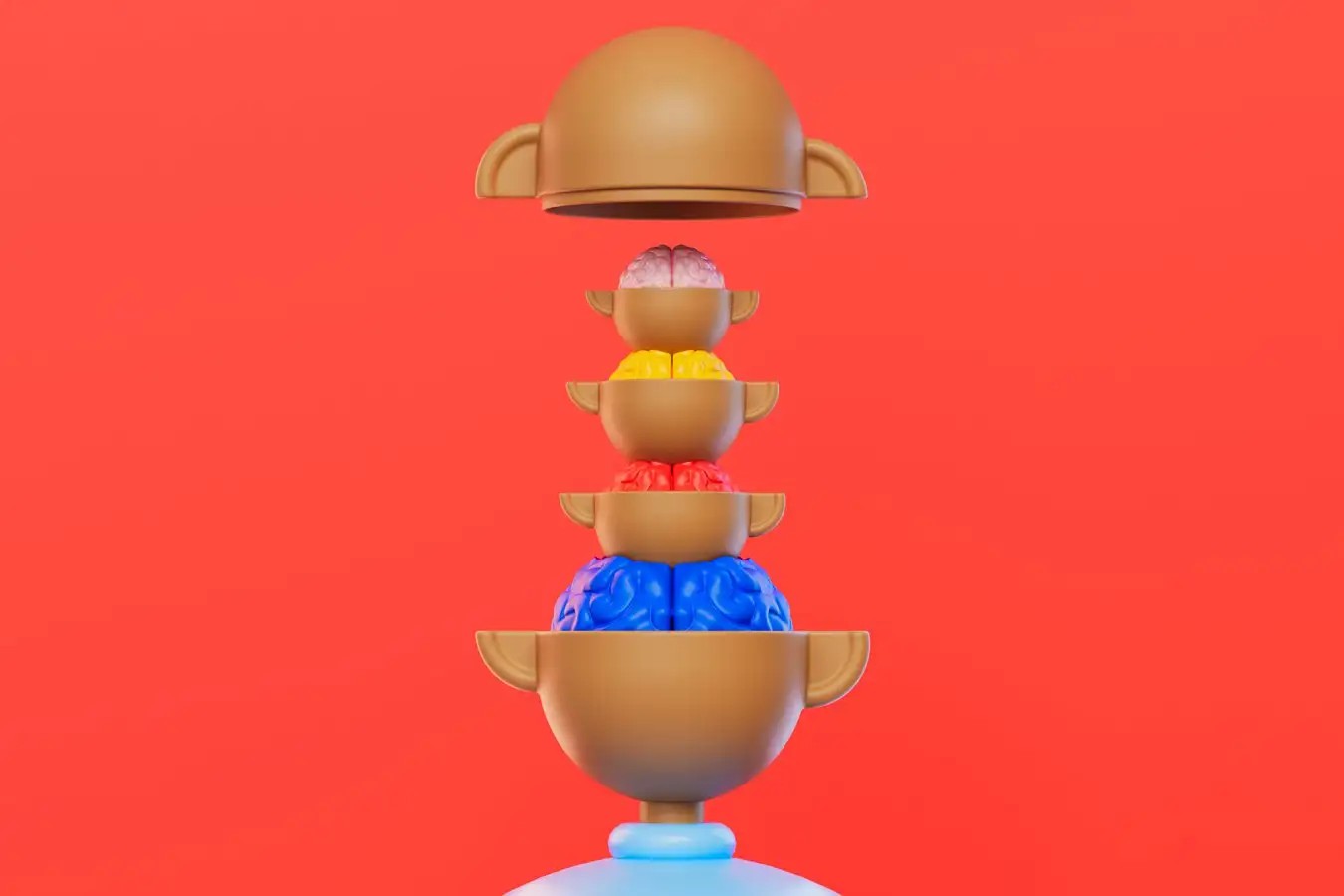
When did you actually grow up?
Maybe it was the moment you turned 18. Maybe it was leaving home. Or maybe it was that sudden, cold realization that no one else is booking your dentist appointments anymore. My dad is in the last category. He still doesn’t consider himself an adult. His wrinkled mirror reflection disagrees, but hey.
Legally, there’s a hard stop. Eighteen or twenty-one, depending on where you live. Vote, marry, sign medical forms. Done. But biology? Biology is messy. The brain doesn’t flip a switch. Some parts of your head look like an adult’s in your teens. Other parts? Still working on it.
So when do you stop blaming “immature brain chemistry” for your life choices? Later than you think.
The myth of 25
A decade ago, scientists settled on a number: 25.
That’s the age they claimed your brain was finished. It wasn’t based on any specific biological finish line though. It came from studies that just stopped collecting data at age 20. Twenty-five became a safe bet for variations. It stuck. Popular wisdom loved it.
Then the research got deeper.
Christian Tamnes at the University of Oslo looked at grey matter. That’s the stuff with all the neurons. Synapses. The processing power. In 2016 (wait, the article says 2017. Let’s stick to the text: 2017), Tamnes showed something interesting. Grey matter gets thinner as you hit your teens. It levels off in your twenties.
Don’t panic. It’s pruning.
Your brain is like a city with too many backroads when you’re young. Chaos. Efficiency. It cuts the unnecessary routes to build highways. Better traffic flow. But the roads don’t all finish at the same time. Poverty accelerates the thinning. Stress does too.
Behavior vs. Structure
Maybe we should judge maturity by what the brain does instead of how it looks.
Enter executive function. Planning. Impulse control. Rationality. Brenden Tervo-Clemgens from the University of Minnesota thinks this is the best metric for brain age.
He pooled data from 10,000 kids. Ages 8 to 35.
The result? Executive function explodes between ages 10 and 15. Small bumps at 15 to 17. Then it stabilizes.
Between 18 and 20? You’re done. By this measure, you’re an adult at twenty.
But social skills are different.
Philip Jackson at Laval University tracked social cognition from age 12 to 30. You figure out other people’s intentions early on. That’s called mentalizing. It locks in during early adolescence.
Empathy? Still brewing after 18.
“The brain is a complex system… the search for any single measure is necessarily an oversimplification”
Brenden Tervo-Clememens
Fixating on one skill misses the point.
The white matter timeline
Alexa Mousley at Cambridge took the long view. She mapped white matter tracts. These are the cables connecting brain cells. Letting regions talk. She scanned newborns all the way to 90-year-olds.
Four major shifts happen in a lifetime.
Ages 9, 32, and 66. Also 83.
The stretch from 9 to 32 is the big one. Early on, the brain is segmented. Silos. Then the walls come down. Communication integrates. They call this global efficiency.
It peaks at age 29.
Another study in May looked at 35,00 scans. Same verdict. Some white matter matures in the 30s. Others don’t finish until your 40s. Your brain is still refining itself while your knees are already complaining.
The imbalance problem
Here is the catch.
Legal adulthood requires a line. Neuroscience doesn’t have one. Katya Rubia from King’s College London points out the real danger.
Limbic regions fire early. Emotion. Reward.
Frontal lobe? Takes longer. Planning. Impulse control.
You get the reward center without the brakes. Hence, teen drivers. Substance abuse. Shoplifting.
“The frontal lobe is not yet developed… young people do not think… about the future,” says Rubia.
She thinks we should issue driver’s licenses later. Riskier driving comes from underdeveloped foresight. Makes sense.
Some want brain charts. Like growth charts for height. Compare kids to the norm. Use it for sentencing? Probably not yet. The 2020 Scottish Sentencing Council report called imaging “impractical” given how different each brain is. But maybe in the future.
A gradual handover
There is no consensus. That’s the point.
Maturity is uneven. Genetics and culture play roles. Some networks age fast. Others linger. White matter might peak in your late 30s while other systems decline. Adulthood isn’t a finish line. It’s a slow handover of keys.
What about how you feel?
Global surveys say people feel grown up around 29. Law says 18. Science says anywhere from 20 to the mid-40s.
You are on your own clock.
My dad is 81.
He’s still waiting for that feeling to hit.