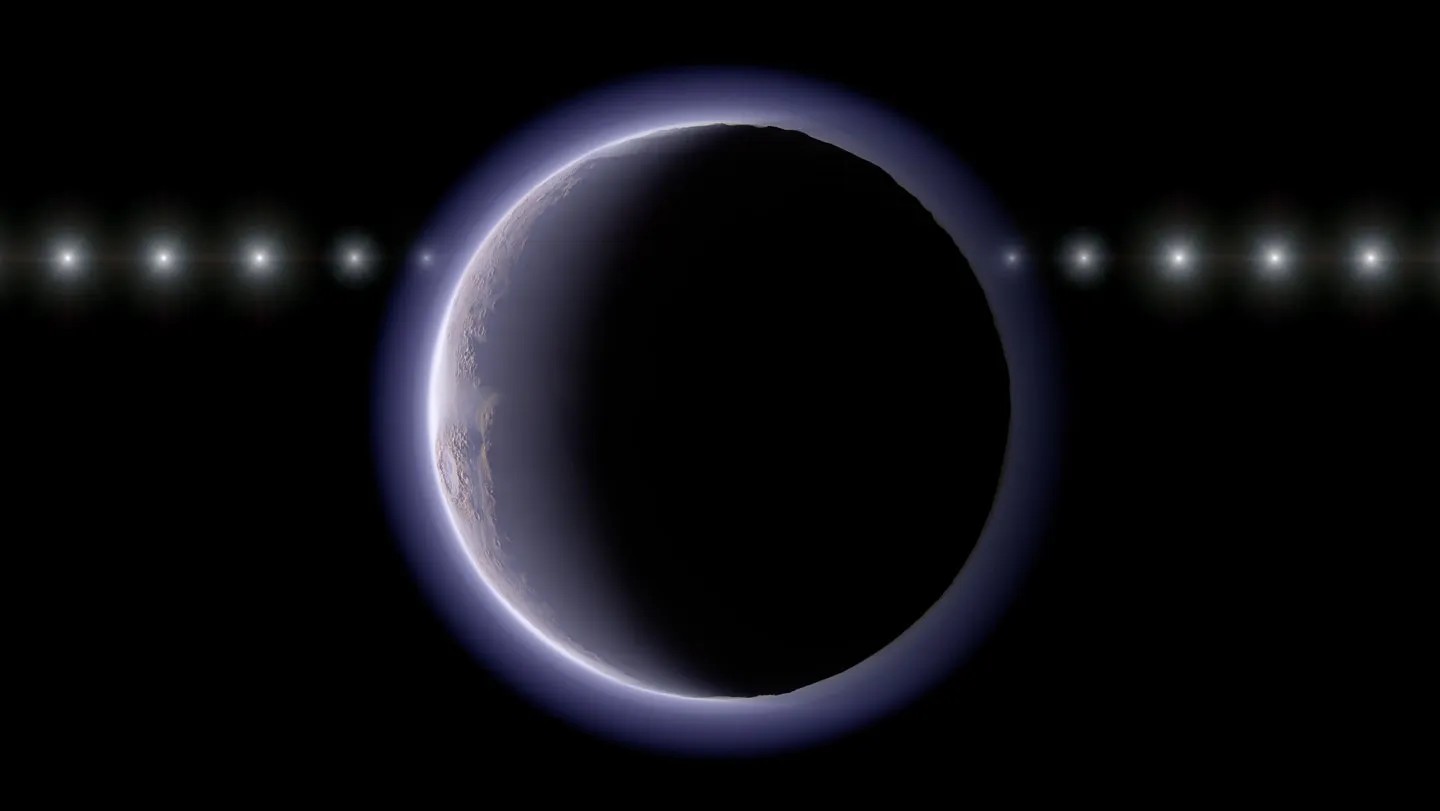
A Faint Whimper in the Dark
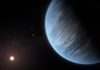
Small thing out past the edge of our map. It’s got something hanging off it.
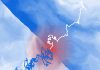
We thought dwarf planets like Pluto were just frozen rocks, dead and cold. Static. But then we saw this little flicker. An occultation. That’s when one thing slides in front of another, blocking the light. In this case, a small solar system object passed in front of a distant star. The light didn’t just cut out. It dipped. Softly. Then disappeared. Then came back, just as soft.
That dip? That’s an atmosphere. Thin as air on Earth during a vacuum leak.
It’s weird. Really weird. The object isn’t even big. Not really. We’re talking maybe 500 kilometers across. Pluto is 2,300. This little guy shouldn’t hold onto any gas at all. The sun’s heat, even at that distance, should have baked it off eons ago. The vacuum of space should have stolen it away.
Yet here we are. Looking at a puff of gas clinging to a rock in the deep freeze.
Why does this matter?
“It changes how we see the outer solar system. If these small, icy worlds can hold onto atmospheres, they aren’t just inert rubble.”
The object is unnamed. For now. It’s part of the scattered disk or the Kuiper belt. That graveyard of icy leftovers where the solar system dumped its trash 4.5 billion years ago. Most of that trash is silent. This piece is whispering.
Scientists think it’s an “ultra-luminous comet.” A big comet. One that might never get close to the sun to put on a real show with a tail. It’s hiding. Just sitting there, cold, with a tenuous layer of nitrogen or methane hugging its surface.
Or maybe it’s a failed moon. Tossed out from somewhere else.
Does it matter where it came from? Probably not as much as what it’s doing now. It proves that atmosphere retention doesn’t just belong to the heavyweights like Neptune or the quirky case of Pluto. It’s happening everywhere. In the small, forgotten corners.
The Grand Canyon isn’t the deepest part of space. The pressure there isn’t what shapes these worlds. It’s gravity, yes. But it’s also history. Volcanism? Maybe. Ice geology? Likely. We don’t have enough data. Not yet.
We saw it for a few seconds. Through the lens of telescopes on Earth and in space. We measured the pressure. It’s low. Like Mars on a good day, but colder. Much colder.
And now we wonder.
If a 500-kilometer rock can keep its clothes on, what else are we missing? What other small worlds are carrying secret atmospheres, waiting to be glanced at? We keep looking up. We keep waiting for the dip.