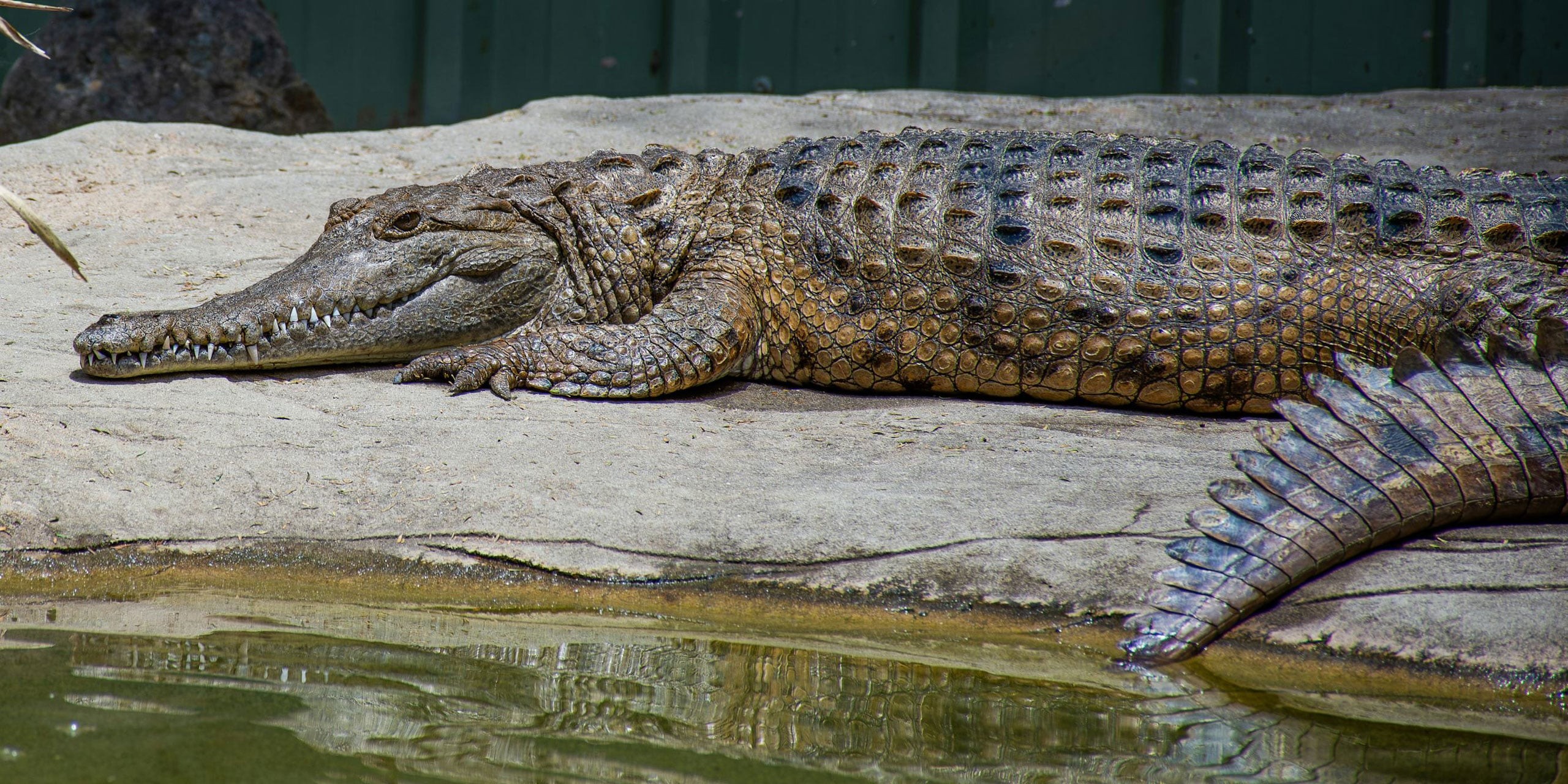
The mudbank sun-heat is familiar. The saltwater crocodile resting there? Iconic. Intimidating. But look closer. That image is just the tip of the iceberg. Or rather. The sole survivor of a much stranger lost world.
Australasia didn’t just have crocs. It had other crocs. Weird ones. Ones unlike anything swimming in today’s tropical rivers.
Mekosuchines: The Old Rulers
Enter the mekosuchines. While modern crocs belong to the Crocodylus genus. This entire other branch. They dominated this region. For over fifty million years. Apex predators. Kings. Queens. Rulers of the mud and the marsh.
They came in every shape. Sizes that defied expectation. Some were massive semi-aquatic ambush hunters. Built for power. Just like today’s salties. Others? Dwarfed by evolution. Tiny species stuck on islands like New Caledonia. And some were genuinely terrifying. Blade-like teeth. Serrated. Edge-to-edge. They probably hunted on land.
We dug into the last 129.000 years of evidence. Fragmentary remains. Scattered bones. From over twenty archaeological and palaeontological spots. A puzzle with half the pieces missing.
Bones, Paint, and Humans
Most of the action? Australia. Some New Guinea. A smattering of southwest Pacific islands. At archaeological sites on the mainland and in the Torres Strait. We find broken teeth. Modern species bones. Proof that people shared these landscapes for thousands of years.
Ancient rock art backs it up. Paintings roughly 20.000 years old show Indigenous Australians watching them closely. Depicting them. The fossil spread mirrors modern crocodile ranges perfectly. Suggesting a stable. Long-game coexistence.
Did they eat them? Sometimes. Croc teeth became pendants. Rarely though. When you dig up ancient sites with croc bones. You usually find only a few.
Why? Think about it. Adult saltwater crocodiles are monsters. Immensely powerful. Highly lethal to humans. Early communities didn’t chase apex predators for dinner. It was a bad idea. A hazardous undertaking. Mostly avoided.
The Vanished Giants
But modern crocs weren’t alone in the beginning. They shared the dirt with the mekosuchines too.
On the Australian mainland? Fossils only. Most are older than 40.000 years. We have no proof mekosuchines appeared in rock art or archaeological contexts in Australia. Did humans ever meet them face-to-face? We don’t know.
Their disappearance lines up with other megafauna extinctions. Maybe they lived with us for a while. Then vanished. The exact cause remains a ghost. A mystery wrapped in dirt.
Island Dwarfs Meet Humans
The island story is different. New Caledonia. Vanuatu. Fiji. Here. Mekosuchines survived. Until recently.
These island crocs were small. Adults maxing out at two meters. Terrestrial. They lived more on land. Less in water. Which made them accessible.
Humans arrived. The crocs disappeared.
Tragic. The record ends within a few centuries of settlement. Remains found with human trash. Middens. In one case in Vanuatu? A mekosuchine bone shows gnaw marks. Rat bites. An invasive species brought by us.
Did humans kill them directly? Did we bring rats that ate them? Definitive proof? Elusive. Likely. Yes. Direct or indirect. We tipped the scales. These dwarf island crocs are gone because we were here.
Why Look Back?
We live in the Anthropocene now. Human-influenced. Accelerated extinctions. Australia is a frontline case study.
The past isn’t just history. It’s a warning. How did apex predators handle climate change? Environmental upheaval? Human impact? We need to know. To conserve the ones left.
Solving this isn’t just for paleontologists. We need archaeologists. Ecologists. Conservationists. And Indigenous knowledges. Land managers who have watched these animals for eons. They hold the keys to protecting the remaining crocs. The threatened ecosystems.
The question remains. Will we learn before the next wave goes quiet?