Neuromyelitis optica is nasty.
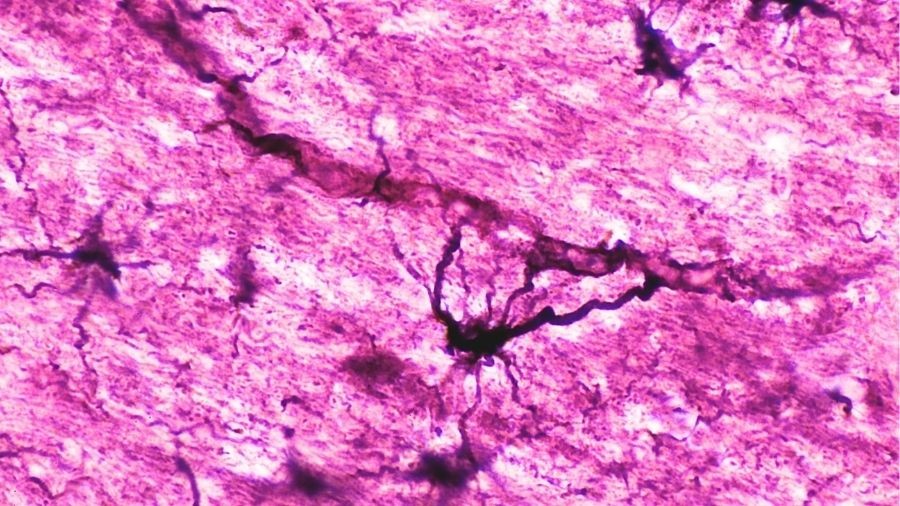
AQP4-IgG antibodies go after astrocyte cells in the brain and spine, wreaking havoc. Disability is the usual endpoint if left alone. We have treatments, sure. They cost a fortune. They fail often. Relapses happen. The whole ecosystem of care is fraught.
Then you have alloHCT.
It sounds sterile. It isn’t. Donor stem cells are introduced to wipe the slate clean, rebooting the immune system from scratch so it stops eating itself. Researchers from Italy’s IRCCS San Raffaeie Scientific Institute published data on two patients treated at age 28.
The follow-up? Long enough to matter.
Over more than 15 years… both patients remained relapse-free without… the disease-driving antibodies permanently disappearing
Fifteen years for the man. Sixteen for the woman. That is an eternity in autoimmune studies.
The guy’s neurological function improved. He fathered two kids. The researchers call it a normal life now. The woman’s trajectory was less cinematic. She regained some arm movement, stopped all medication, and lives a good quality life without drugs. No cure-all miracle for everyone, but solid control.
To date, no standard therapy does this.
Fludarabine and treosulfal chemotherapy were used first to flush the rogue B cells. The donor cells then filled the vacuum. No more attackers.
Is it risky? Yes.
It’s a brutal process. You dismantle a defense system and hope the new one takes. The man developed chronic immune deficiency needing antibody supplements plus swollen lymph nodes (self-resolving). The woman developed bladder cancer requiring surgery.
Neither complication was definitely caused by the transplant. It’s unclear why his immunity stayed weak. But they survived. Both remained stable.
Why try it now? Because other things failed them.
This approach was born for cancer and sickle-cell. Trying it on NMO is new territory. But doing it on such a small sample with such a long horizon provides rare evidence. A slightly open ending? Larger studies are needed. We need to know who exactly is a candidate. Young patients? Aggressive disease? Treatment-refractory?
Its use is best reserved for… aggressive, treatment-refractory… cases
Donors? Yes. Or your own cells, down the line. Science is pushing here. If administered better, the risk-benefit math changes. It is no longer just an experiment.
It might be the exit strategy we have been looking for.
Do you want a cure with side effects or a managed condition without freedom? 🤔