The gaps are showing. We see them in the rising cases of hantavirus. We see them in the reappearance of screwworm. Ebola is back in the news. Cyclospora outbreaks are confusing doctors. Measles and whooping cough are climbing. Bird flu doesn’t stop spreading. These aren’t just statistics. They are symptoms of a broken immune system for the country.
America is less prepared for the next big pandemic than it was before the coronavirus hit.
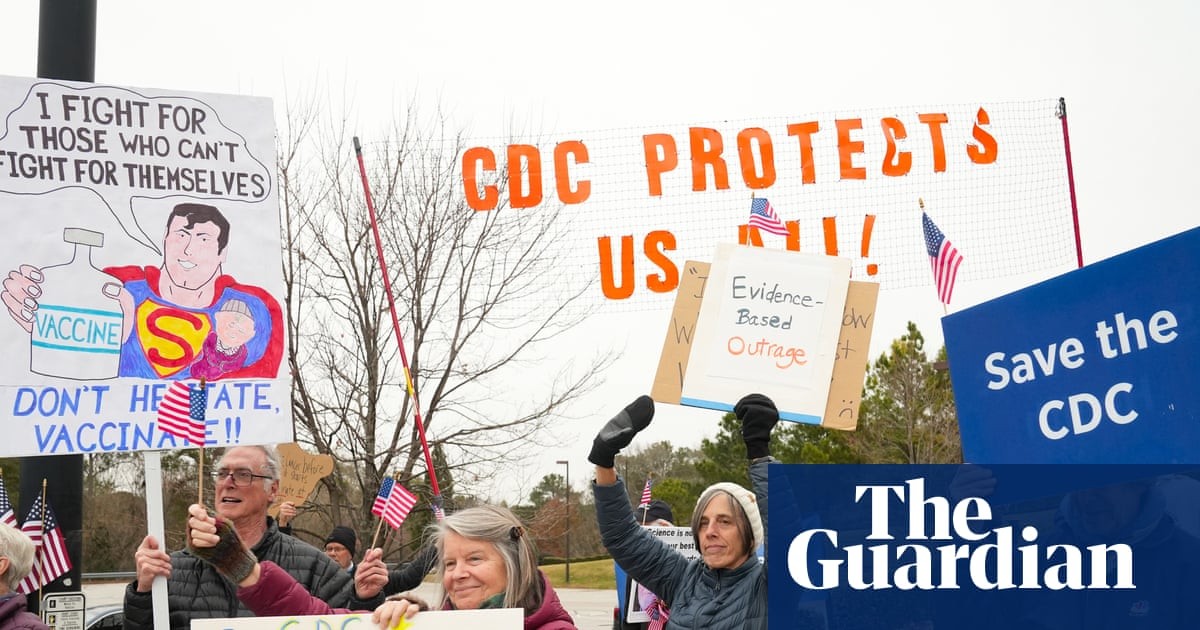
Former top officials from the CDC say the US public health infrastructure has been dismantled. Rapidly. At every level. It’s a mess of conflicting orders and empty desks.
The Hollowing Out of Expertise
Let’s talk numbers because they are blunt. 80% of senior leadership spots at the CDC are vacant. No permanent officials. Just interim whispers in hallways that should have been shouting.
Between 25% and 30% of the entire staff is gone. Gone.
Debra Houry, former chief medical officer at the CDC, put it plainly. We are moving in the wrong direction. She calls it precarious. I call it reckless.
“You lose your boots on the ground,” Houry said.
When Ebola hits. When measles breaks out. You need people. Specifically trained people. Not just bodies in chairs. The funding for battling parasites was decimated. Experts who monitor potential crises—like cyclospora, that previously rare gut parasite—were tasked to watch the world. Now? Many resigned. Many were laid off. No one replaced them.
Dan Jernigan, former director of the National Center for Emerging and Zoonotic infectious Diseases, had a simple answer to a simple question: Are we ready?
No.
Ideology Over Data
The problem isn’t just budget. It’s brain trust. And the loss of that trust.
Take hantavirus. Early on, officials said passengers from the MV Hondius could quarantine at home. Fine. Logical. But then? The rules flipped. Some had to stay in biocontainment facilities. A CDC medical officer said home quarantine was sufficient. Robert F. Kennedy Jr., Secretary of HHS, overruled him.
Why? Because ideology often trumps data in complex, fast-moving situations.
“When you have conflicting messages, how do the states then respond?” Jernigan asked. They don’t. Or worse, they respond wrong. Uncoordinated activities. Wildly different answers from people making decisions based on gut feelings rather than scientific reality.
It’s happening with Ebola too. 100 to 150 people arrive in the US daily. They need monitoring. The new guidance? American travelers from the DRC must quarantine in a third country for three weeks. Then, upon entering the US, monitor for symptoms for another three weeks. Is it three weeks total? Six? No one is clear. It’s illogical. It’s not science-based.
“It’s difficult for states to implement guidance that isn’t based on science and often not logic,” Houry said.
The Parasite Problem and the Funding Black Hole
The dismantling of USAID by the Trump administration didn’t just hurt diplomacy. It hit the CDC hard. Around $40 million in funding to fight malaria and neglected tropical disease vanished.
Result? 35 employees laid off. Out of 73.
They clawed back $4 million. Tiny drop in the ocean. The future is uncertain. More people are dying from malaria globally. But here, we are losing our premier experts on parasites. Malaria is just one. The expertise in microscopy, lab methods, the deep knowledge of these killers has plummeted.
The lab specializing in cyclospora went from 11 people to three.
Three.
Think about that. One team. One small team trying to track down a pathogen that spreads through contaminated produce, across state lines, while the rest of the infrastructure collapses.
We lost mpox experts. We lost Ebola experts. We lost rabies specialists. You cannot replace those skills overnight. It takes decades of field experience. “Doge” cuts ended programs for early-career lab staff. Retirements surged. People left for better pay, better sanity. The void remains.
mRNA Funding Cuts and State Confusion
Millions in funding for mRNA vaccines—critical tools for the next pandemic—have been cut. Jernigan calls them significant.
At the same time, more than half of US states are passing laws that limit public health actions during emergencies. Why? To protect borders from federal overreach? Or just to complicate response efforts further?
The US has already surpassed last year’s measles tally. Measles is one of the most contagious viruses on earth. We know how to stop it. Vaccines work. Contact tracing works. But when the workforce is 30% smaller, capacity drops. When specific experts vanish, the capacity to manage a multi-state response like cyclosporiasis is compromised.
“We’re not where we would have been because of the changes to USAID,” Jernigan said.
Houry argues we should have been “right-sized” after the pandemic, not cut down. During Covid, we saw we lacked enough staff to cover the nation. Public health departments at the state and local level were understaffed then. Reverting to 2019 sizes—sizes that were already stretched thin—leaves us woefully underprepared.
Regional Alliances Fill the Void
So, what’s left?
Confusion. And improvisation.
In the absence of clear federal leadership, regional alliances are forming. The Association of State and Territorial health Officials holds regular calls. The Northeast Public Health Collaborative. The West Coast Health Alliance. Houry consults for the latter.
They are tracking things better. Because they have to.
Measles doesn’t respect state lines. It jumps. So states are stepping in. They are collaborating on vaccination strategies. They are trying to manage crisis response without the central nervous system of the CDC firing correctly.
It’s a stopgap. A bandage on a hemorrhage.
“We lost a lot of our lab scientists,” Houry said. “Those you can’t replace overnight.”
Until then, the US remains exposed. To hantavirus. To Ebola. To the next thing that hasn’t even mutated its way onto our radar yet.
Are we ready?
No.