The models are new. They say Earth lives.
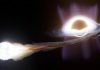
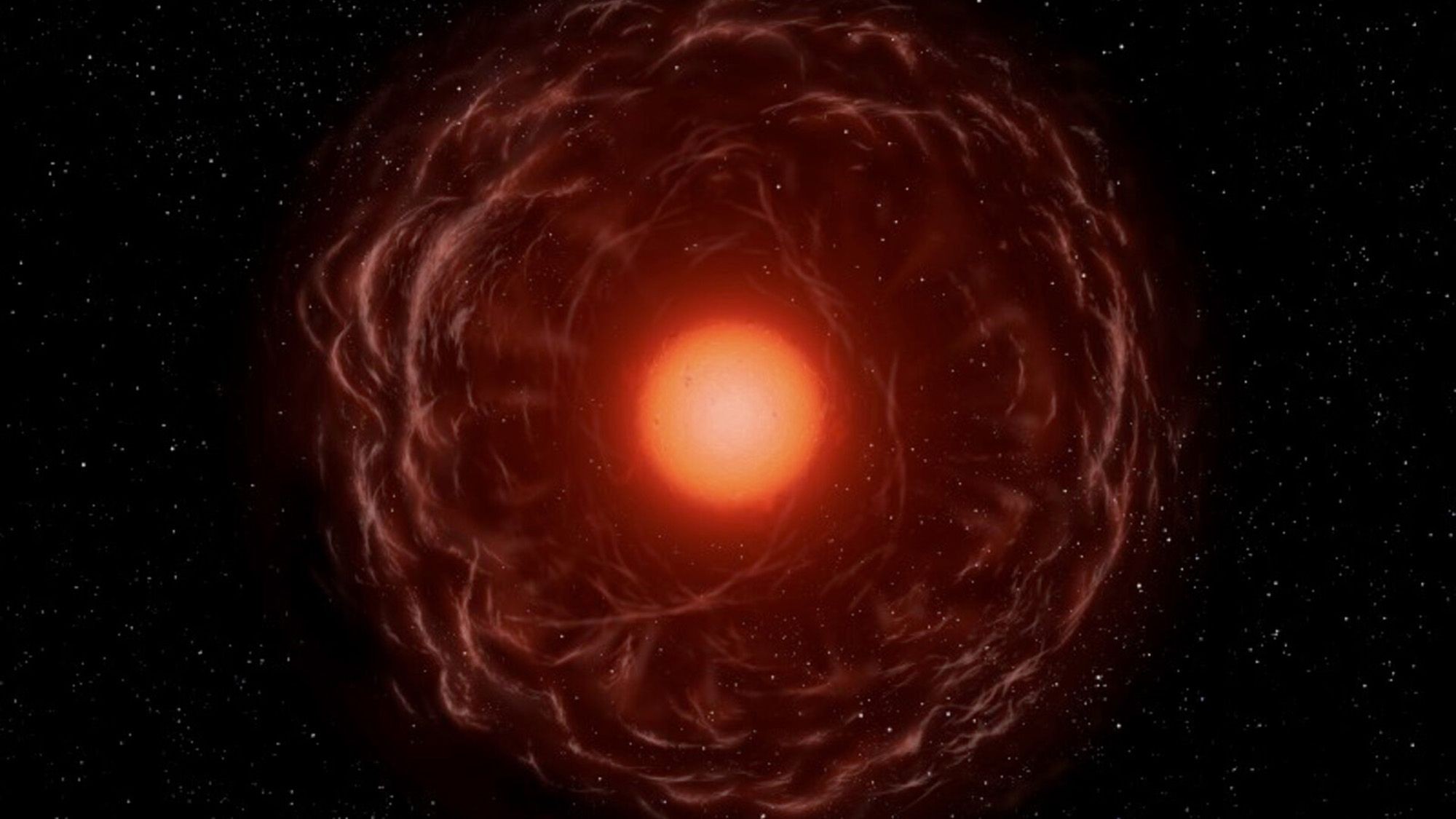
Most astronomers used to bet against us. The old narrative was simple and brutal: in roughly five billion years, the Sun runs out of core hydrogen. It swells. Becomes a red giant. Then an AGB star. A massive, bloated thing that swallows everything in its path.
We were supposed to burn.
A study published June 19 in Astronomy & Astrophysics complicates that ending.
The tug of war
Two forces fight for the planet.
As the Sun expands into a monstrous red giant, tidal forces grow. They pull Earth inward. Toward the fire. At the same time, the aging star sheds its outer layers. Stellar winds carry mass out into space.
The Sun gets lighter.
Gravity weakens. Earth gets pushed outward.
“The fate of Earth depends on a delicate Balance between these two effects,” said Mats Esseldeurs of KU Leuven.
It’s a cosmic standoff.
If tides win, we burn.
If mass loss wins, we escape.
Previous research couldn’t decide which force was stronger. Assumptions about stellar dynamics varied too wildly. The inner solar system looked like a graveyard.
Until now.
The researchers looked at L2 Puppis. It’s a dying star about 200 light years away in the Puppis constellation. It resembles a much older version of our own Sun. L2 Puppis is shedding dust. It likely harbors a planet twelve to sixteen times the mass of Jupiter that seems to have survived the chaos.
If L2 Puppis can keep its children, maybe ours can too.
Who dies?
The simulations are specific. Mercury dies. Venus dies. They go up in flames as the Sun engulfs them during its expansion.
Earth is on the knife’s edge.
Esseldeurs says the biggest variable isn’t tidal math. It’s how much mass the Sun actually loses. Current data suggests Earth survives by slipping just outside the expanding star’s radius. But “survives” is a strong word when your star is a thermonuclear hazard.
We aren’t alone in this uncertainty. Some white dwarfs— the dense corpses stars leave behind—are surrounded by intact worlds. Others sit in rubble piles made of destroyed planets. The odds aren’t clear.
Why do we keep checking?
PLATO launches next year.
ESA’s telescope hunts for Earth-like planets. It will also scan older stars. We need more data. More observations of how planetary systems evolve when their parents grow old.
Earth might not be destroyed.
That doesn’t mean we stay warm.
If the Sun sheds enough mass to push Earth into a wider orbit, the light dims. The habitable zone moves inward, toward where we used to be. We escape the fire only to freeze in the dark.
Or maybe we just sit there. Watching the white dwarf glow faintly.
The sun dies anyway. We might just watch it.