A £50,00 check. That is what it takes to let a fish move again.
The European eel is drowning. Not in water—in neglect, in barriers, in the slow, quiet decline that has seen their numbers drop 90% in thirty years. Critically endangered is a heavy phrase, but here on the Glinger Burn near Longtown, it’s just the daily reality for a creature that can barely jump a concrete lip.
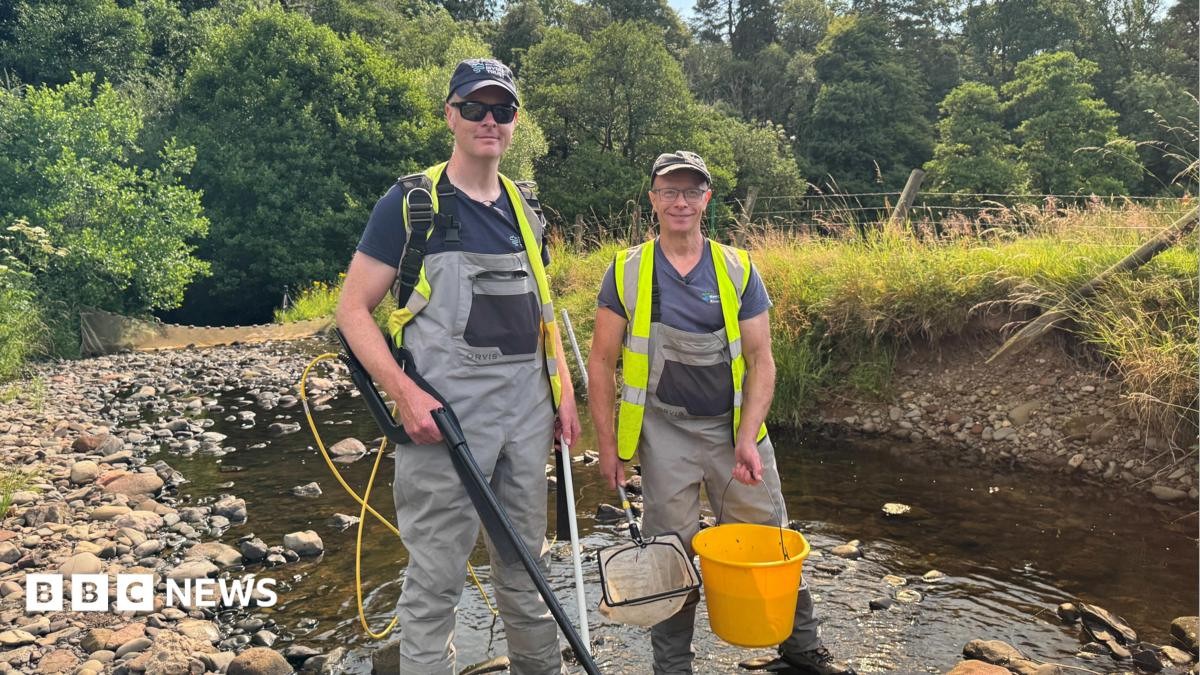
The West Cumbria Rivers Trust has had enough of the struggle. They are tearing down a weir. A useless one, anyway, but still a wall in the path of anything trying to swim upstream or back to sea.
Diggers are moving in for two weeks.
Why build a trap? Luke Bryant, assistant director for the trust, points out the obvious absurdity of it. When winter hits and the rain turns the river into a churning torrent, sure, maybe an eel can make the leap. But “maybe” isn’t a survival strategy. Most of the year, the levels drop. The weir becomes a slick, impassable shelf. They hit it. They hurt themselves. They fail.
“Maybe in the winter when there’s a lot of heavy flow they can get through, but most of the time, they really struggle.”
The Environment Agency funded the wrecking ball. The result will be a flat bed of rock and water instead of a hazard. Simpler for the fish. Probably better for the birds too, if we’re looking at who else gets stuck.
It’s strange how we build things to last, then forget they’re there, until something else decides it needs to pass. The diggers start Tuesday. Or whenever the sun rises and the diesel kicks in. The weir is gone soon enough. Whether the eels come back from the brink? That’s a question with fewer moving parts than a bulldozer.
But you can’t jump if the wall stays. So the wall goes.