They didn’t survive the whales. They barely survived each other.
Likneset is what the locals call it. In Norwegian. It means “Corpse Point.” 🧊
If you want to know what life was like for 17th-century whalers on Svalbard. This is where you look.
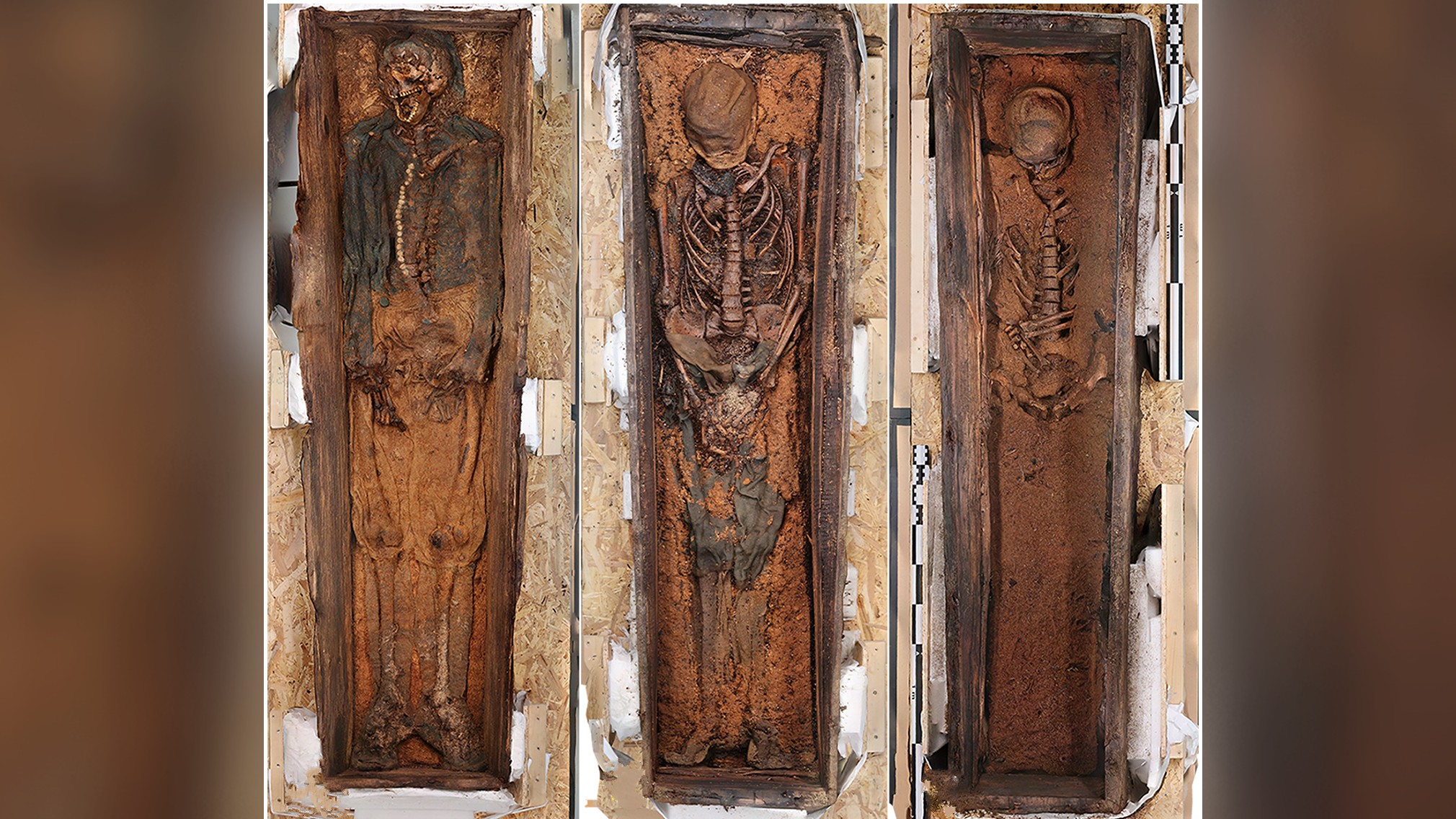
Svalbard sits halfway between the North Pole and Norway’s northern coast. A brutal archipelago. For centuries. It was ground zero for Arctic whaling. And Likneset? The biggest graveyard for those men. Hundreds of shallow holes marked with piles of stones. From the boom years of the 1600s and 1700s.
Archaeologists just dug up 20 of those bodies. Published in PLOS One this past May.
The findings are grim.
“Early modern Arctic whaling was among Europa’s first large-scale extractive industries. And the labor? Highly manual.”
That’s Lise Loktu from the Norwegian Institute for Cultural Heritage Her Research. She didn’t sugarcoat it. Neither did Elin Therese Brødht, the forensic anthropologist she worked with at Oslo University Hospital.
Think about it. Rowing in freezing water. Hauling live animals. Dragging carcasses. Chopping blubber until your fingers numb. Doing it all while wet. And cold.
Your skeleton keeps receipts.
Loktu and Brødht looked at the bones. Shoulders. Spine. Hips. Knees. Feet. They were shredded. Degenerative joint disease everywhere. Trauma that would take an athlete decades to accumulate.
Here’s the kicker.
Some of these guys were young adults. Young. Yet their bones looked like they belonged to old men. They broke themselves. Slowly. Day after day.
And then there’s scurvy.
Most of them had it. All the symptoms. Bleeding gums. Lost teeth. Muscle weakness. Anemia. Vitamin C deficiency. Simple stuff now. Impossible to avoid back then.
Fresh fruit doesn’t grow on Svalbard. Sailors on long voyages knew this. Or they should have. Europeans didn’t understand biology. So they ignored it. They looked down on Indigenous foods like muktuk. Whale skin and blubber. Loaded with Vitamin C and D.
“Scurvy doesn’t only affect bones. It compromises the immune system. Weakens wound healing. Overall physical decline.”
So you’re exhausted. Your joints are grinding to dust. Your gums are rotting. Your immune system is offline.
Bad news.
Most of them were also pipe smokers. You can tell because the clay stems left circular indentations in their tooth enamel. They clamped down. Constantly.
Does tobacco cause scurvy? Not directly. But it depletes your Vitamin C stores. It adds stress. Loktu suggests it might have been the extra weight that pushed an already weak body over the edge.
Smoking. Bad diet. Hellish labor. Infection waiting in the wings.
Did anyone make it home? Maybe.
But here’s the real problem. The bones aren’t just sitting there.
They’re disappearing.
Likneset is being eaten by the coast. Coastal erosion. Driven by rapid Arctic warming. Permafrost is thawing. The ground that preserved these bodies for 400 years is turning into soup.
Researchers compared graves dug in the late 19800s with ones from 2016. Then again in 2019. The difference? The site is collapsing. The informational value of these archives is dropping fast.
Climate change isn’t just melting ice caps. It’s erasing history.
Once it’s gone. It’s gone.
We race to dig. But the ice races faster.