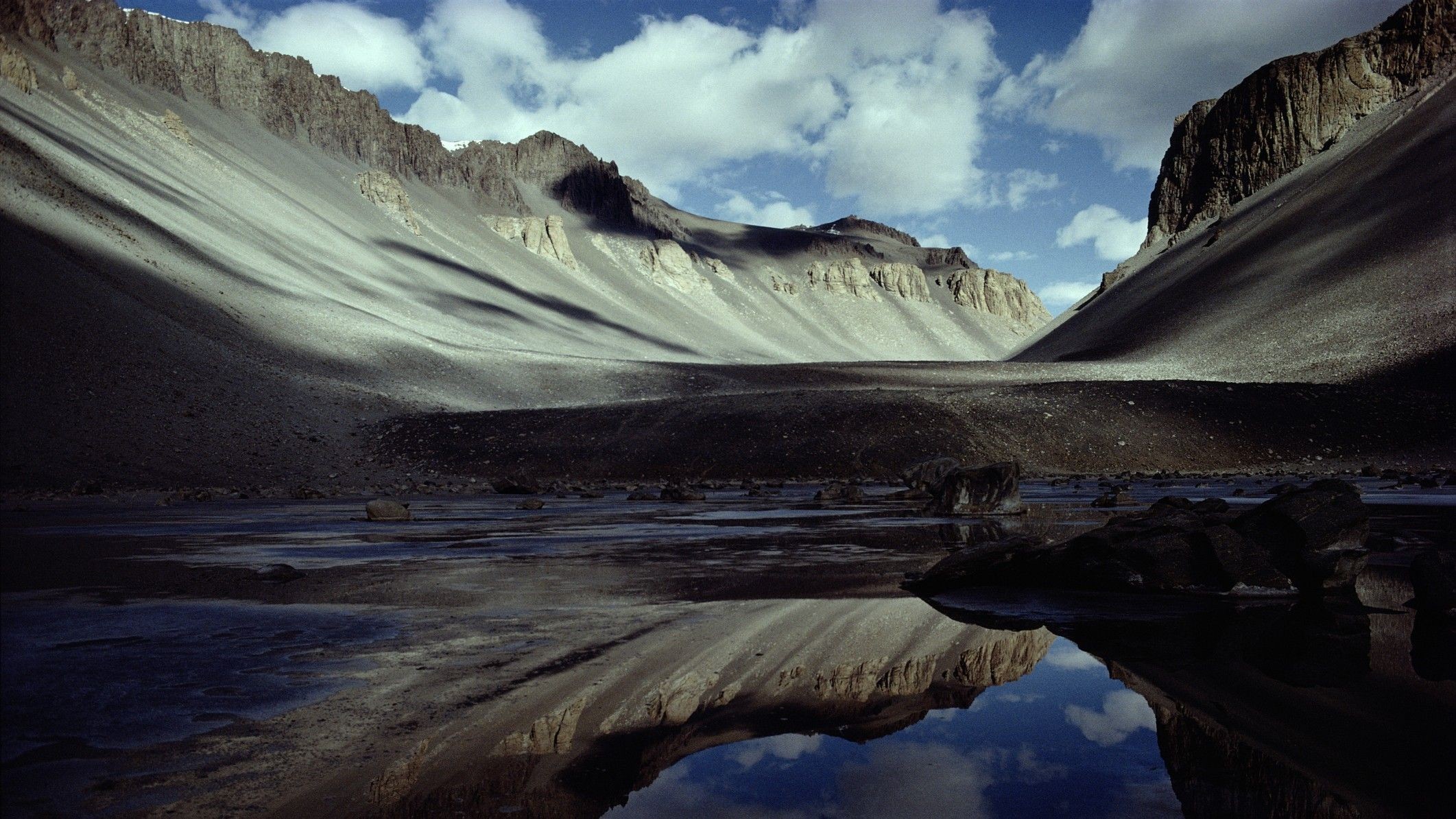
Don Juan Pond does what it should not. It stays liquid. Even at minus 58 degrees. That is 50 below zero Celsius. The air bites. The ice forms everywhere else. This lake refuses.
It sits in Antarctica’s McMurdo Dry Valleys. A harsh, desolate place. The salinity hits 40%. That is insanely high. For context. The Dead Sea sits at 34%. The ocean is barely 3.5%. Don Juan is twelve times saltier than your average bathtub full of sea water.
It’s syrupy. Thick.
You might think a pond this salty would just freeze solid. Salt usually does that. Not here. Calcium chloride keeps the water molecules apart. They can’t bond into ice. They stay stubborn. The result is a 4-inch deep puddle smaller than six football fields. Named after two Navy pilots, Donald and John. Spotted it in 1961 while reconning. Lucky look.
Why care about a salty puddle?
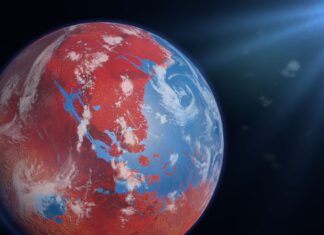
NASA does. It looks like Mars. Cold. Dry. Full of salts. Maybe some water too. Scientists found microbes near the pond. Tiny life hanging on. If something survives there, it can survive on the Red Planet too. Or it could have survived there long ago.
“If we accept that the deep groundwater theory is truth… we’re looking at an extensive aquifer.”
That’s Jonathan Toner. He likes the underground theory. But nobody is sure.
For sixty years, they guessed groundwater. Bubbles rising up from deep down. Simple. Until 2013. Brown University geologists looked closer. Took thousands of photos. Saw dark streaks on the slopes. Wet soil. Salty mud funneling rain or snowmelt down to the pond. Atmospheric moisture. Trapped by dirt. Dripping down.
It made sense. It also looks a lot like recurring slope features on Mars. The idea took hold. The pond is just surface runoff. A local trick.
Then came 2017.
Computer models disagreed. Simulations showed surface water couldn’t create that specific chemical mess. The salt profile was too weird. Only a deep aquifer could feed it with the right balance. Back to groundwater. Or was it?
Toner thought it exciting. A big hidden water system is more promising for alien life than a little rain. But the other scientists weren’t convinced. The streaks are real. The photos don’t lie.
So we have two stories. One says deep underground rivers feed it. The other says atmospheric sweat runs down the hills.
Both sides have data. Neither side has the final word. The debate rages.
What’s really keeping it wet?
Does it matter which way the water flows if the ice never comes? The pond sits there. Unfrozen. Waiting for a better explanation.