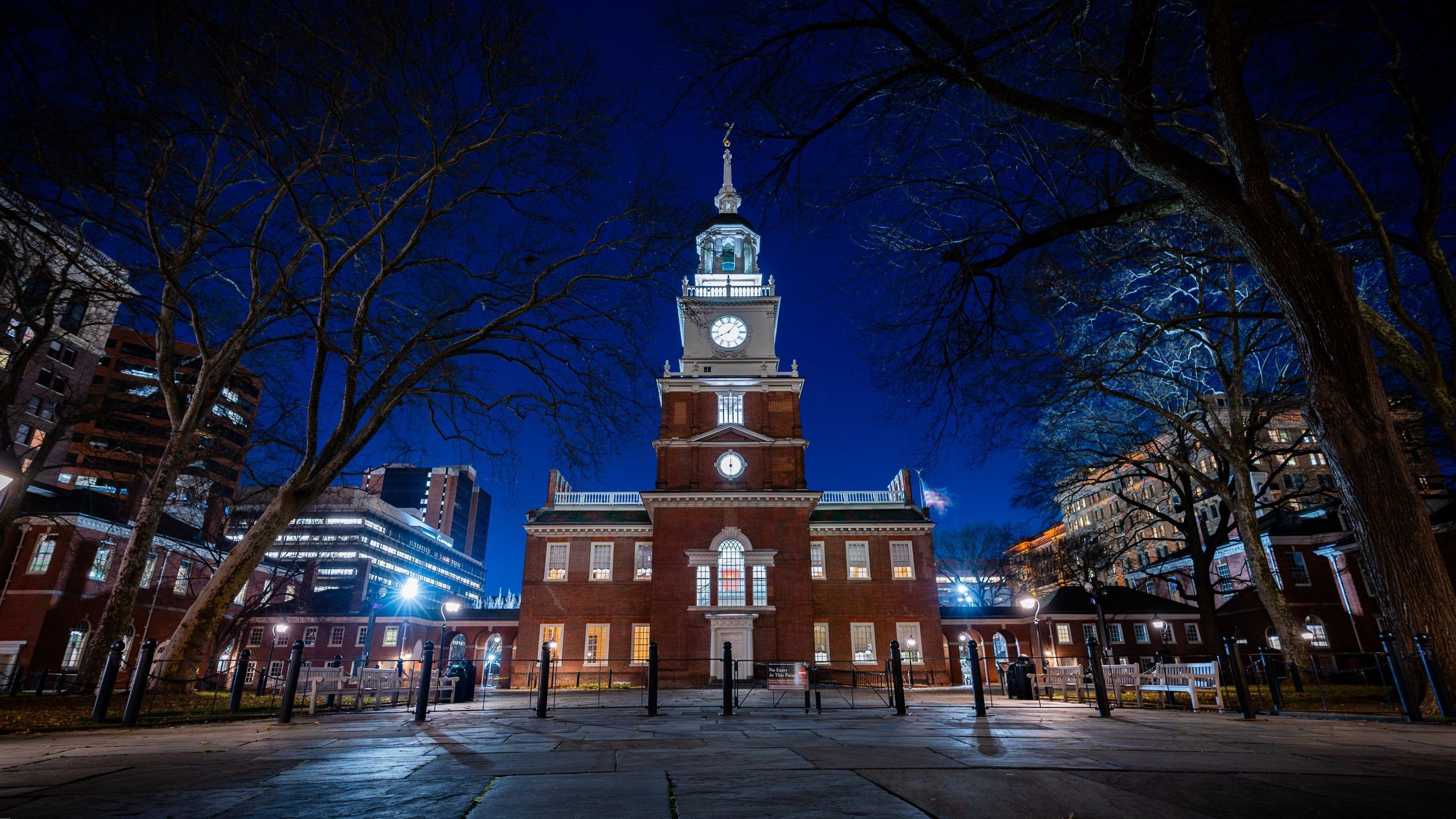
What did the night look like?
July 4, 1770 was two centuries past, but July 4, 2026 is right on us. America’s 250th. Everyone wants to know what Franklin, Jefferson, and their cronies saw that first evening. If you stood outside at 9 p.m. on July 5, the view would feel familiar. Star patterns don’t lie. Careful measurement only. That’s the only difference. The stars hadn’t moved much. Just a drift.
People tracked the sky then for real reasons. Not hobbyism. Navigation. Surveying. Telling time without clocks that worked. In a dark age—before neon and sodium vapor lit up the horizon—folk knew constellations better than most folks do today. They needed to.
Almanacs were everything
Second only to the Bible. The almanac was the colonist’s Bible of daily life. Sunrise. Moonrise. Star peaks. Lunar phases. Planet spots. Plus some astrology. Plus road conditions and when to plant crops. A complete timetable for heaven and earth.
By the 18th century, they were printed everywhere. Most died quickly. Some lived. Benjamin Franklin’s “Poor Richard’s Almanack” ruled Philadelphia from 1732 until 1758 under the fake name Richard Saunders. Over 10,000 sales a year. Franklin wasn’t just a politician. Printer. Diplomat. Scientist. Astronomer too. A Renaissance man before the term felt modern.
Then came “The Nautical Almanac” in 1767. Dr. Nevil Maskelyne built it in England. It provided the raw data. The prospectuses followed. Precise calculations for those who could read them.
Where were the planets?
Check a 1776 almanac. One planet showed up at night. Saturn.
It sat in Virgo. Passed opposition to the sun on April 10. By July? Glowing yellowish-white in the southwest at dusk. Brighter than Spica, the blue star to its left. On July 22 specifically. A waxing crescent moon hung near. It made a broad triangle with Saturn and Spication. Through a telescope, rings. Tilted 10 degrees. The north face visible. Beautiful geometry.
Wait for morning. Mercury. Jupiter. Mars. Three planets crowded together low in the east. Just after sunrise. Venus? Hiding. Too close to the sun to spot. Dazzling but lost.
The big eclipse
The showpiece arrived on July 30. Total lunar eclipse. Not just any eclipse. Long duration. Totality lasted 1 hour 36 minutes.
Bad luck for the east coast. Philadelphia? New York? Boston? You missed the best of it. Totality happened at 7:01 p.m. Before moonrise. The moon emerged from the shadow at 7:49 p.m. Low over the southeast horizon. Quit the shadow by 8:48 p.m.
Only 26 days after independence. The Congress signed the declaration a few days later, but the spirit was raw. People watched anyway. Even with bad views. John Newton noted it. Militia officers wrote it down. An omen? Gravity. Uncertainty. The world watched.
Did the background change? Not really.
Earth wobbles. Like a spinning top. The moon pulls on the equator. One full circle takes 26,002 years. The North Pole traces a ring. Different star at the center. In 1776 Polaris sat 1.88 degrees off-center. Today? 0.62. Three extra moon widths. A noticeable shift for a navigator. A non-event for a casual viewer.
Proper motion? Stars move slowly. Arcturus drifts faster than others. But even it shifted only 0.08 degrees in 250. Less than the width of the sun. Barely there.
What about the air?
Philadelphia weather on the day itself was nice. Mild. Morning clouds burned off. High of 72 F. Jefferson kept a diary. So did Phineas Pemberton.
Afternoon brought clouds again.
Thickening by sunset. Obscured the sky? Probably. The first Independence Night might have been hidden behind gray. We remember the declaration. Less often the overcast. 🌩️
Why look up now? History isn’t just parchment. It’s also the light overhead. Whether it reached our eyes or not.