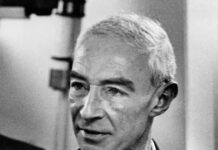
Bruce Ames didn’t just study chemistry. He built a machine to catch it lying.
Born in New York City on December 16, 1928, this American biochemist and geneticist became the architect of a tool that rewrote the rules for industrial safety. The Ames test arrived in the 1970s with a simple, brutal premise. Take bacteria. Specifically, Salmonella typhimurium. Feed them a chemical. See if they mutate.
It wasn’t just a lab trick. It was a tripwire.
The test’s sensitivity to carcinogenic substances was uncanny. If a chemical caused mutations in these bugs, it was likely cancer-causing in humans too. The results were immediate and loud. Several synthetic chemicals faced bans on commercial use. Environmentalists cheered. Ames was hailed as a hero for exposing the hidden dangers of man-made toxins.
Then the plot twisted.
Ames didn’t stay on that pedestal. He changed his position on synthetic chemicals after a chilling realization took hold. Many naturally occurring substances are also carcinogenic.
The fear of synthetic chemicals often blinds us to the complexity of risk.
This pivot sparked decades of debate. Should we fear the lab? Or the garden?
The Ames test remains a cornerstone of toxicology. It answers “how” we screen for danger. But it also forces us to ask “why” we panic over some threats while ignoring others. We ban a synthetic pesticide because a bug mutates. Yet we ignore the natural compounds in our food that do the same.
Where does the line really draw?
Ames’ work didn’t just save lives through regulation. It exposed a cognitive bias. We trust what we can’t touch less than what we can eat. The bacteria don’t care about origin. They only care about damage.
We still use the test today. But the conversation has shifted. It’s no longer about banning everything new. It’s about understanding the scale of risk.
The science is clear. Mutations happen. In labs. In forests. In our cells.
The question isn’t which chemicals are evil. It’s how much risk we’re willing to tolerate.
Ames knew that. He just didn’t want us to pretend some threats are imaginary just because they come from nature.