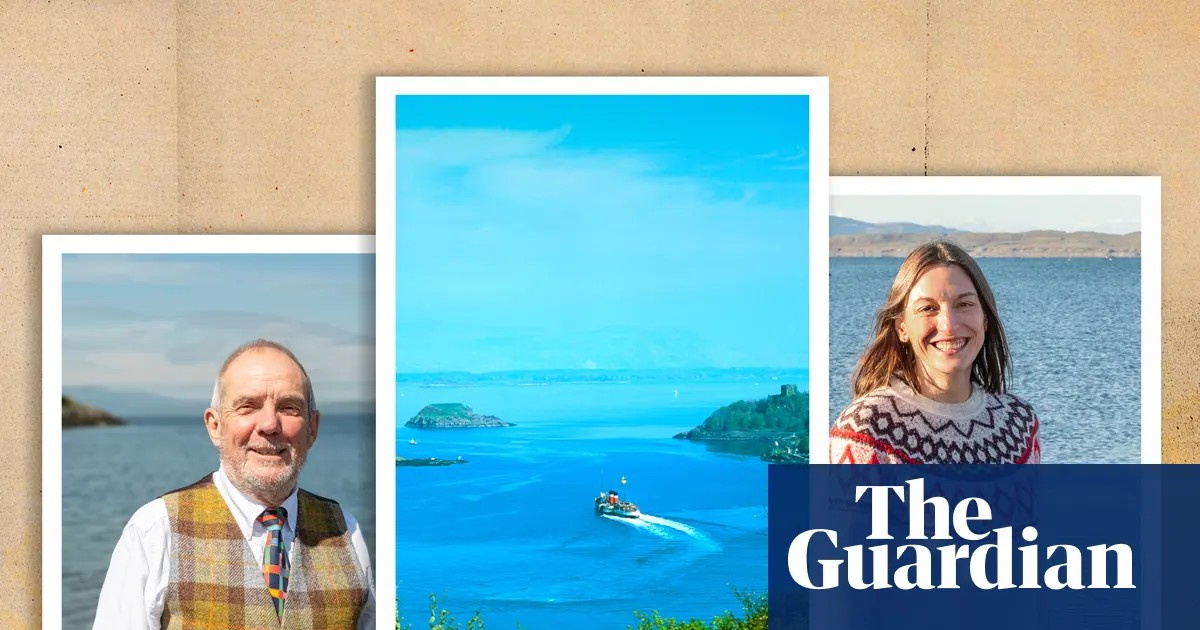
The windows look out on the Atlantic. Cold, grey, relentless waves hitting the coast near Oban. For a long time, that view was just scenery for the people inside the Scottish Association for Marine Science (SAMS). Pretty backdrop. Nice offices.
Then the board changed things. Last month.
The ocean itself now has a trustee.
SAMS is old. One hundred and forty years, give or take. It was founded back in the Scottish Enlightenment, back when “science” mostly meant figuring out how to exploit nature. Back then, the planet seemed endless. Untouchable. We could do what we wanted without consequence.
“We thought the earth was so big,” Nick Owens says. He runs SAMS. He’s a marine scientist, but he thinks like a philosopher too. “We couldn’t possibly hurt it.”
He’s not buying that anymore.
Owens looked at Indigenous cultures in North America. He saw how deeply tied people were to their land and sea. It clicked for him. Our ethical frameworks are entirely human. Always have been. The environment is just… scenery. Or resources. Not a participant.
So he made it a participant.
A voice for the void
When SAMS board members sit down to hash out the future of marine science, they don’t just talk about grants and grants. They talk about her. Or rather, him. It depends who you ask. But mostly, it’s about the ecosystem.
Helen Mitcheson is the person representing the ocean.
She’s an environmental lawyer. Used to be a marine mammal scientist. Now she sits in those boardrooms and speaks for the water, the seabed, and even bits of the air above it. Human activity is excluded from the definition. Strictly environmental.
She doesn’t have a veto. But she has a say. And she uses it.
At the very first meeting she attended, they talked for twenty minutes. Not one word about the sea.
Mitcheson had to interrupt. Had to force the issue back into the room. It felt awkward at first. Necessary.
“What did we mean by ‘ocean’?” they had to ask.
That wasn’t just semantic. It was political. Legal. Philosophical. They spent months sorting it out. A working group dug through laws and precedents. They anticipated conflicts. Because giving an ecosystem a vote? It’s messy.
Not alone in this
SAMS didn’t invent the wheel. They’re just rolling it forward.
Two years earlier, a British eco-beauty company called Faith in Nature did the same thing. First in the world, officially. Gave nature a vote on corporate decisions.
Simeon Rose, the brand director, says it shifted the mind-set. Hard to measure, maybe, but tangible too. Their sourcing team started hunting for better options. Orange peel oil from waste. Tea tree oil grown in zones that protect koala habitats. Small changes, yes. But they matter.
Since then, about 25 other organizations have followed. Across the US, Australia, Belgium, France. A tiny cluster, but growing.
In France, a Green Party MP actually proposed a law. Would force large companies to have nature representation on their boards. Just like SAMS did, but mandatory.
“There’s a real sense of community-building,” Rose said. “A will to figure out how to improve this.”
Is it a movement? Maybe. Or just a very expensive trend.
The awkward reality
Owens knows the risks. SAMS has a commercial arm. They sell data, advice, expertise. Some of that comes from industries the environmental left often dislikes. Like aquaculture. Farming fish.
Does the ocean trustee block that?
If she vetoes a lucrative contract because it hurts the seabed? What happens then?
Staff worried. Is this just greenwashing? A PR stunt to look good?
Owens didn’t want that. So he buried it in the constitution. Made it structural. You can’t spin what you can’t remove.
“We remain objective,” Owens says. “Fact-based.”
Maybe they’ll decide not to work with an industry. Maybe not yet. But the possibility hangs over every meeting now. A question mark written in ink.
And strangely? People got used to it.
Fast.
Owens heard it happen during coffee breaks. Casual chat. Someone would propose an idea and another person would ask, “Well… what would the ocean think of that?”
That was the moment it stuck.
Not the press release. The pause before the answer.
Capitalism, ironically, might save us
Owens is clear on his logic.
Capitalism broke things. Yes. Created the mess. But he’s a realist. It won’t be protests or protests that fix the ocean. It’ll be boardrooms. People in suits making decisions.
“If we want change,” he effectively says, “we go to the source.”
He admits it might seem absurd. Giving a voice to the wind and salt. But look at the room now. The air feels different. Heavier? Clearer?
It’s hard to know if it lasts. Hard to know if Faith in Nature’s success repeats. But in Oban, the waves still hit the window. And inside, someone finally listens to them.
Maybe that’s enough for a start.
“Rightly or wrongly, it will be the boardrooms,” Owens said.
We’ll see what the ocean decides.