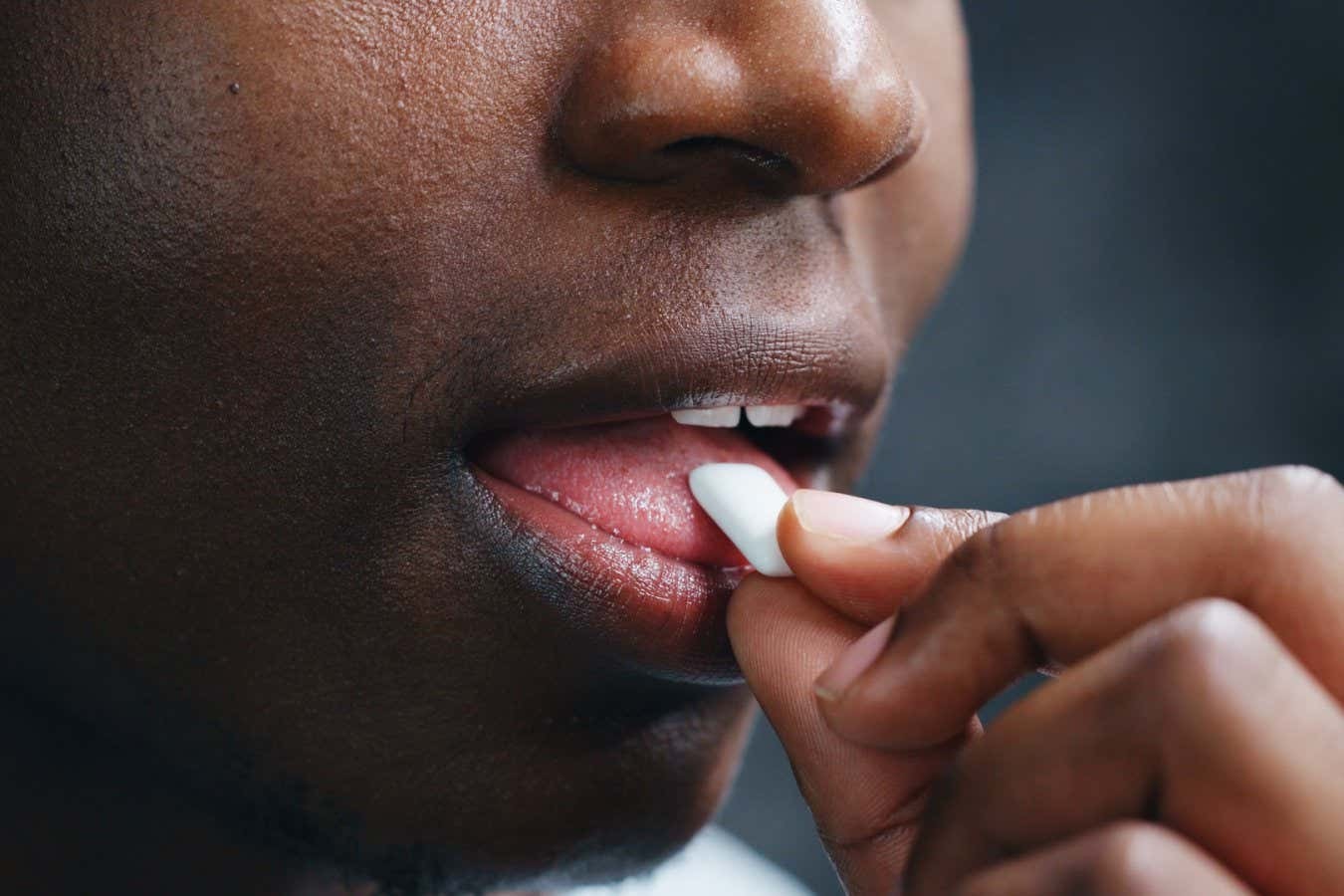
For people struggling with gingivitis, a new study suggests that chewing gum enriched with dietary nitrates could be a simple, effective way to reduce inflammation and bleeding. While traditional oral hygiene remains essential, this innovative approach offers a promising adjunct treatment by altering the bacterial balance in the mouth.
The Challenge of Gum Disease
Gum disease, or gingivitis, is a common condition caused by the accumulation of bacterial plaque on teeth. This buildup triggers inflammation, leading to swollen, bleeding gums. If left untreated, the condition can progress to periodontitis, a more severe stage that may result in abscesses and tooth loss.
Standard prevention involves brushing twice daily, flossing, and using antibacterial mouthwash. However, as noted by Shawn Green of the Harbor-UCLA Medical Center, maintaining this routine consistently can be difficult for many people. While previous research has shown that eating nitrate-rich foods like leafy greens and beets can reduce gum inflammation by promoting beneficial bacteria, not everyone enjoys or has easy access to these foods.
How Nitrate Gum Works
To explore a more convenient way to harness the benefits of nitrates, researchers developed a specialized chewing gum. The study involved 30 adults with mild gum disease, who were randomly assigned to chew either nitrate-enriched gum or a placebo gum with the same taste. Participants chews the gum for at least 15 minutes, three times a day, for three weeks, while maintaining their usual oral hygiene and diet.
The mechanism behind this treatment is biological: nitrates act as a prebiotic. They encourage the growth of beneficial mouth bacteria that convert nitrate into nitric oxide. This process helps suppress harmful, plaque-forming bacteria such as Porphyromonas gingivalis, which are key drivers of gum disease.
Significant Reduction in Bleeding
The results of the trial were promising. Researchers assessed gum health by probing the gums around each tooth to check for bleeding—a key indicator of inflammation.
- Nitrate Gum Group: The percentage of probed regions that bled dropped from an average of 26% at the start of the study to 15% by the end.
- Placebo Group: Those chewing the non-nitrate gum saw no significant change in bleeding levels.
Praveen Sharma of the University of Birmingham, who was not involved in the study, described this reduction as “clinically meaningful,” highlighting the potential impact on patient health.
A Promising Proof of Concept
These findings suggest that nitrate-enriched gum could serve as a simple, accessible tool to complement standard dental care. Francesco D’Aiuto of Imperial College Healthcare NHS Trust called the study a “good proof of concept,” but emphasized that more research is needed. Future studies should investigate how long these benefits last and whether the treatment is effective for more severe cases of gum disease.
Conclusion: While not a replacement for brushing and flossing, nitrate-enriched chewing gum offers a novel, science-backed strategy to manage mild gum disease by fostering a healthier oral microbiome.