Spaceflight isn’t gentle on biology. Fluids slosh around where they don’t belong. Gear crushes tissue. Bones and muscles wither, deprived of gravity’s daily workout.
Most of these ailments fade when astronauts land. Except, it seems, the knees.
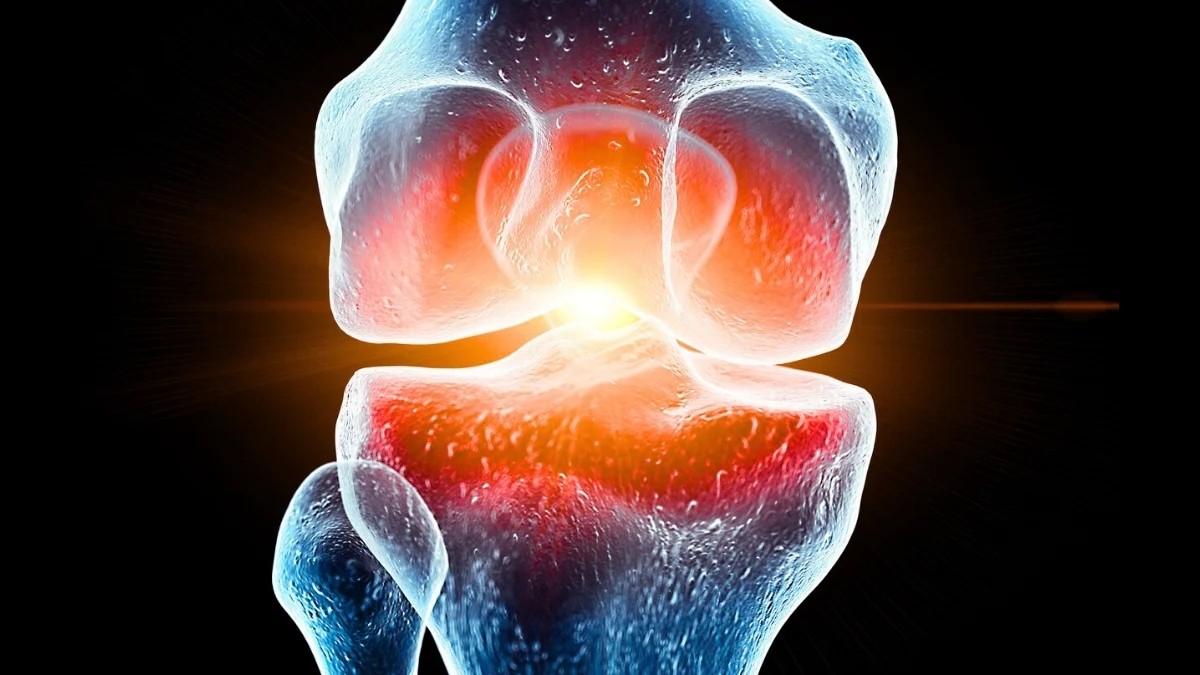
Mice sent to the International Space Station returned with damaged cartilage in their weight-bearing joints. This is bad news. Joint cartilage barely heals itself.
Scientists think they have a countermeasure. A plant compound named kaempferol kept cartilage healthier in simulated space.
The Invisible Damage
Human knee health in space is a black box. We don’t monitor it well. A 2022 review found elevated biomarkers of cartilage breakdown in astronauts. Combine that with mouse data? Long trips, like the one to Mars, look risky for osteoarthritis.
A University of Pittsburgh team dug in. They hypothesized that spaceflight conditions wreck mitochondrial function, which leads to cartilage loss.
They couldn’t strap humans to rockets for unethical experiments, so they used mice. Three groups emerged.
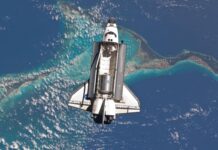
One spent sixty days on the ISS. One stayed on Earth as a control. A third group lived in ground simulators, legs suspended to mimic micro gravity while exposed to synthetic cosmic radiation.
The results were ugly. Both space-bound mice and ground-sim mice showed cartilage damage. The Earth mice stayed healthy.
Why It Hurts
Next came the question: why?
Researchers grew human cartilage from stem cells in rotating bioreactors, mimicking micro gravity without the radiation blast. The cells struggled. Inflammatory markers spiked. Reactive oxygen species multiplied. Cells aged prematurely. Mitochondria, the power plants, lost their juice.
They traced this collapse to NOX4. A protein. It drives oxidative stress. It breaks the mitochondria.
So the researchers added kaempferol.
It’s a natural flavonol. You eat it daily. It’s in tea. In dark leafy greens. Beans. Berries.
Previous rat studies suggested kaempferol slows knee osteoarthritis by reducing oxidative stress. This time, they gave it to the sim-mice via oral treatment.
The difference was stark. Stark.
Less cartilage loss. Healthier mitochondria. Lower inflammation. Fewer rogue oxygen molecules. It wasn’t a total fix. Damage still happened. But it was significantly milder.
Caveats and Hope
Don’t start popping pure kaempferol supplements just yet. This is early science.
The mice took a controlled, purified dose. Eating a salad isn’t the same. The protective effect was proven in simulation, not on an actual ISS mission.
But the mechanism matters. Identifying NOX4 as the villain gives us a target. Since NOX4 also plays a role in Earth-bound osteoarthritis, this might help hundreds of millions of humans too.
Why wait for the red planet to care about joint health?
“Preserving mitochondrial function protects against cartilage loss.”
Eat more spinach. It probably doesn’t hurt.
Published in Advanced Science.