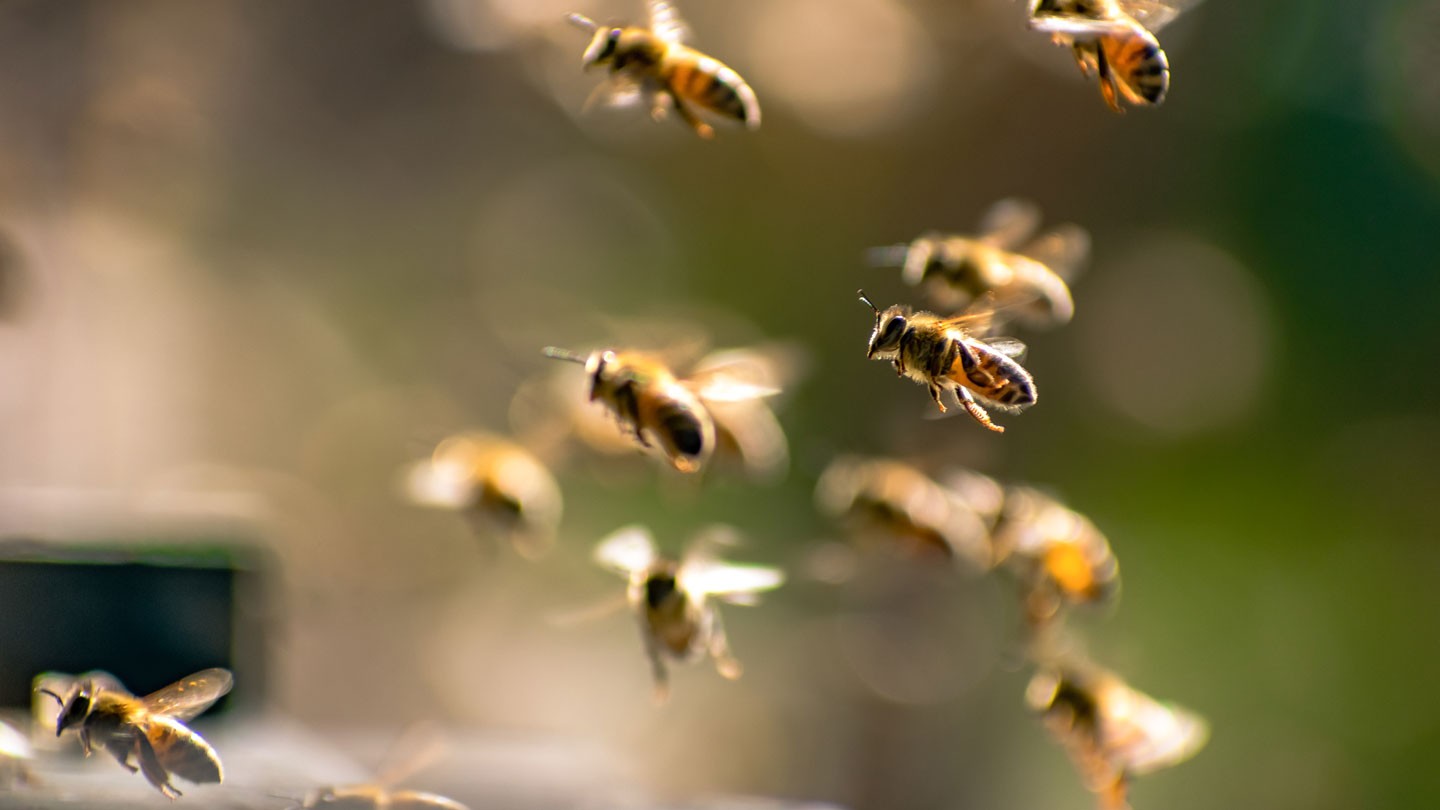
How many insects are currently flying through the air around you? While it is impossible to count every individual beetle, bee, or moth, scientists are developing sophisticated ways to estimate these numbers. Understanding the sheer scale of insect populations is more than just a matter of curiosity; it is a vital necessity for understanding the health of our planet.
The Challenge of Measuring the Unseen
Measuring insect density in the atmosphere is a complex task because insects are small, highly mobile, and exist in massive numbers. Unlike larger animals, you cannot simply count them one by one. Instead, researchers must rely on data —raw statistics and numbers—and transform them into meaningful information regarding how many organisms are present in a specific volume of air.
To get an accurate picture, scientists must account for several variables:
– Dimensions: The length, width, and height of the area being studied.
– Density: How concentrated the insects are within a specific space.
– Population: The specific group of individuals belonging to a certain species in a given area.
High-Tech Solutions: Radar and Radio Waves
One of the most innovative ways to track insect movement is through the use of radar. While we often associate radar with tracking airplanes or weather patterns, it is also an incredibly effective tool for studying biology.
By emitting radio waves —a type of electromagnetic wave longer than visible light—radar systems can detect minute objects in the sky. When these waves hit a flying insect, they bounce back to the receiver. By measuring the time it takes for the signal to return, meteorologists and biologists can determine the position and movement of these tiny “particles” of life.
This technology allows researchers to observe:
1. Flight patterns: How insects move through different layers of the atmosphere.
2. Mass migrations: How entire populations travel across continents.
3. Temporal trends: When insect activity peaks during the day or night.
Why These Numbers Matter
The ability to estimate whether there are millions or trillions of insects in the air is critical due to the ongoing impact of climate change. As global temperatures shift and forests are cleared, insect populations are reacting in ways that can disrupt entire ecosystems.
Insects are foundational to life on Earth. They act as pollinators, decomposers, and a primary food source for countless other organisms. If insect populations decline or shift their migratory patterns due to environmental changes, the “ripple effect” can be felt across the entire food chain.
Monitoring insect density via radar and biological study provides an early warning system for the health of our global ecosystems.
Conclusion
By utilizing advanced radar technology and rigorous biological data, scientists are uncovering the massive, invisible scale of insect life. These measurements are essential for tracking how environmental shifts and climate change are reshaping the natural world.