You want power. Real power. Not the grid humming quietly in your wall. You want the kind that cracks the sky open.
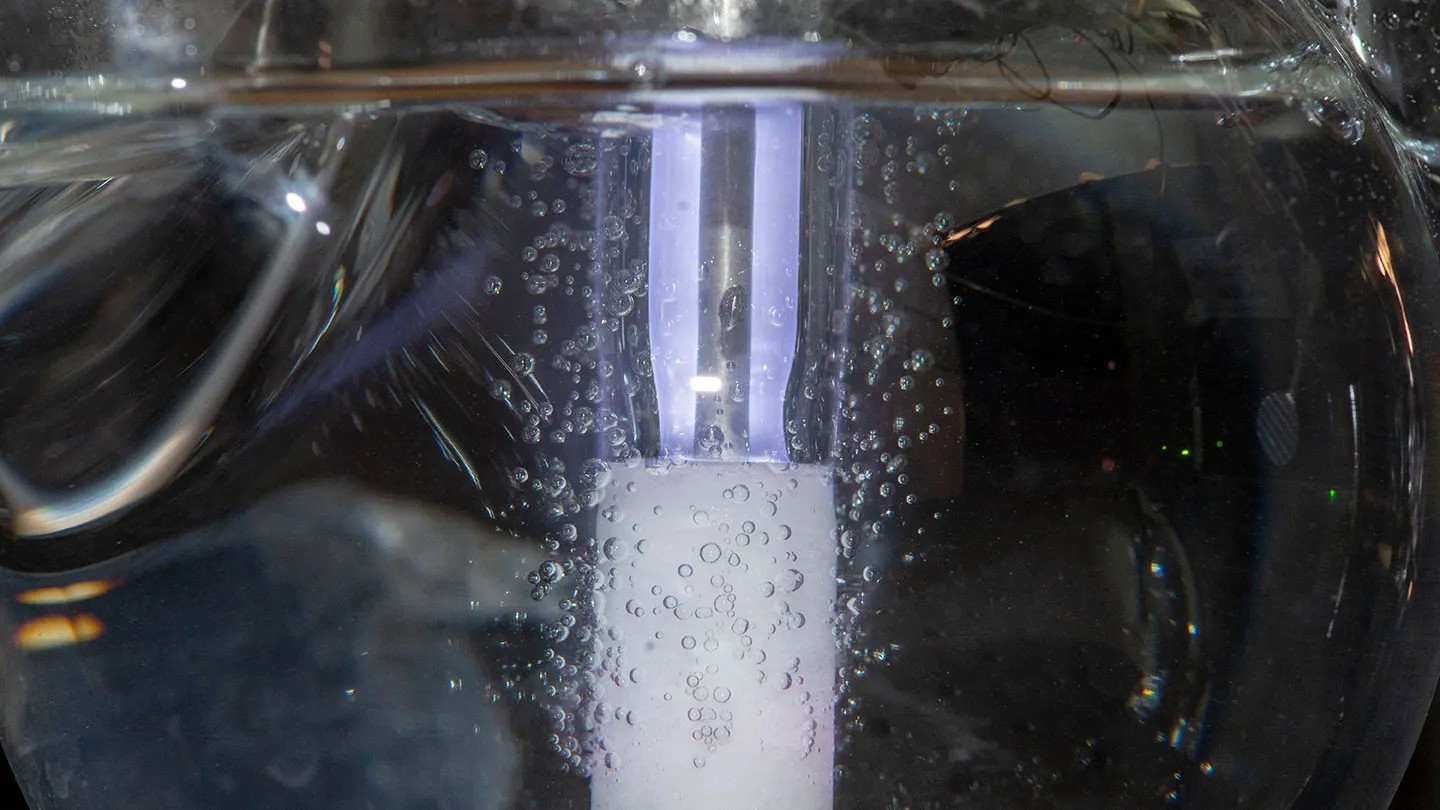
Scientists found a way to squeeze lightning into a jar.
Well. A lab setup. Not exactly a mason jar. But small enough to fit on a bench. And what does this bottled storm do?
It cooks gas. Specifically, methane.
We hate methane. It leaks from cow farts and old landfills. It traps heat better than CO2. Way better. 80 times better. Bad for climate. Great for a storm’s dinner table.
The setup uses an electric field. High voltage. It rips electrons off their atoms. You get plasma. A soup of charged particles. Wild and energetic.
Lightning isn’t just destruction. It’s a catalyst. A natural one.
But nature is messy. Too messy. Hard to catch the fuel it makes. This machine is different. It’s focused. It targets methane and slams it into water.
The result? Methanol.
Why do we care about methanol?
It’s fuel. It’s a building block for chemicals. It’s plastic, essentially. The stuff of modern life. But making it right now means digging up old dead plants. Fossil fuels. We burn the stuff. It burns hot. It also burns through the planet.
This method uses renewable energy to create the spark. Wind power. Solar power. Doesn’t matter where it comes. Just that it doesn’t add new carbon to the air. Well. It uses carbon from methane. But if you pull that methane out of the air before it warms the planet? That’s a win.
Chemistry is rearranging atoms. Simple. Hard to do without heat or pressure. Traditional plants for methanol use steam and massive pressure. Industrial giants. This little device does it cold.
It’s fast. It’s dirty? No. It’s precise.
There are problems, obviously. The machine needs maintenance. It costs money to run the electric field. Scale it up? Good luck.
But the concept works. You take a waste gas. You zap it with clean electricity. You get a liquid fuel.
It sounds too good. Like magic. It is chemistry. Just really fast chemistry.
We spend billions burning dead dinosaurs to make the plastic for this magazine. What if we stopped? What if we zapped the air instead?
Maybe. Or maybe it stays in the lab.
We’ll see.