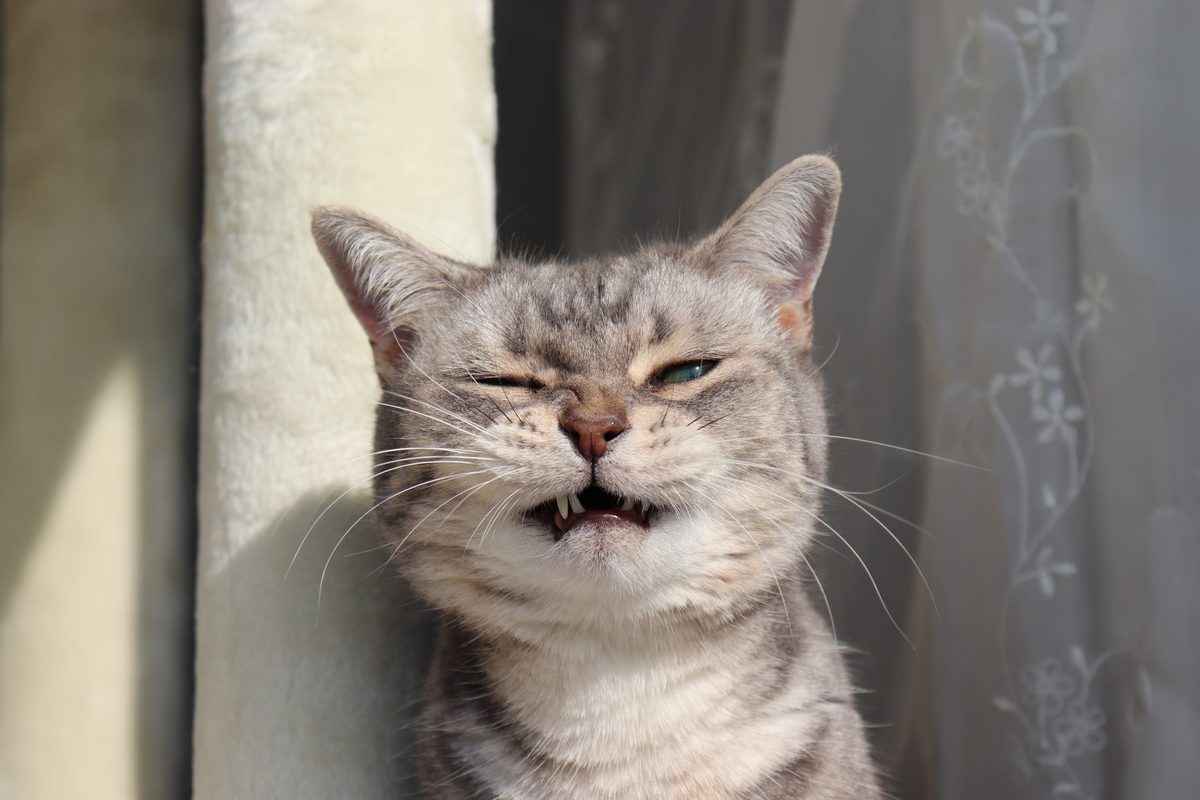
It looks innocent. Your cat is napping, maybe sniffing a corner under a dresser, and suddenly achoo. You smile. It’s just dust. Just a tickle.
But what if it happens ten times a day?
Sneezing in cats is often dismissed as harmless, yet it can be the first red flag of serious respiratory issues. Behind that reflex hides a signal. Ignoring it risks minimizing a problem that could escalate quickly. Is it allergies? A cold? Or something more sinister?
When Sneezing Becomes a Symptom to Watch
Cats are masters of hiding weakness. They mask pain until it’s unbearable. But sneezing is visible. It’s audible. And when it becomes frequent, it’s no longer a reflex—it’s a distress signal.
A cat’s nose is highly sensitive. It’s their primary tool for exploring the world. When that tool is irritated repeatedly, something is wrong. It’s not just a grain of dust. It’s an invisible enemy taking up residence in the nasal passages.
Recognizing the Pattern
Infrequent sneezing? Cute. Frequent sneezing? Concerning.
The shift from occasional to repetitive is key. Add to that nasal discharge, noisy breathing, or a congested nose, and you have a clinical picture that demands attention. Repetition is the clue. Dust doesn’t cause daily chaos. Infections do.
Common Causes: From Rhinitis to Viral Infections
The most common culprit behind persistent sneezing is a respiratory disorder. This isn’t just a sniffle. It’s a spectrum of conditions that share symptoms but require different treatments.
Viral and Bacterial Threats
Feline herpesvirus (rhinotracheitis) is a classic offender. It causes severe upper respiratory infections. Calicivirus is another major player. Both lead to repetitive sneezing, eye discharge, and lethargy.
Bacterial infections can also trigger these signs. They often follow viral infections, turning a mild irritation into a severe complication.
Allergies and Environmental Irritants
Not every sneeze is an infection. Allergies are increasingly common. House dust mites, pollen, or even certain cat litters can trigger allergic rhinitis. These are seasonal or environment-dependent. The sneezing fits are sharp but often clearer in nasal discharge compared to the thick, colored mucus of an infection.
Body foreign objects, like a blade of grass or a seed, can also cause sudden, violent sneezing fits. This is acute. It’s different from the chronic pattern of disease.
Decoding the Signs: How to Tell What’s Wrong
You aren’t a vet. But you are the one watching your cat every day. You know their baseline. Any deviation is data.
Differentiating between a simple irritation and a true pathology requires observing specific markers.
Allergies vs. Infections
The differences lie in the details.
- Allergies: Sneezing is often seasonal. You might see itchy skin or eyes. There’s usually no fever. Nasal discharge, if present, is clear and watery.
- Viral Rhinitis: Look for a runny nose. Sneezing is frequent. Eyes may be watery or crusty. The cat may show lethargy. Discharge becomes thick and colored. This is rarely good news.
- Bacterial Infections: Expect thick, foul-smelling nasal secretions. Breathing may become labored. Low-grade fever or loss of appetite often accompanies the sneezing.
Each condition presents a unique fingerprint. The key is tracking the evolution of symptoms. Don’t guess. Observe.
Warning Signs That Require Immediate Action
Some symptoms turn a “wait and see” situation into a “call the vet” emergency. Don’t wait for all of them to appear. One or two can be enough.
Watch for:
- Persistent fever
- Total refusal to eat or drink
- Conjunctivitis (red, swollen, or glued-shut eyes)
- Dry or wet cough
- Wheezing or difficult breathing
- Unusual fatigue or hiding behavior
- Thick discharge tinged with blood
Combining these signs worsens the prognosis. Auto-medication is dangerous. It delays proper diagnosis and can make things worse.
Acting Fast to Protect Your Cat
The goal is simple. Never normalize persistent sneezing. Your cat’s health relies on your vigilance. Quick action prevents minor issues from becoming chronic crises.
Immediate Steps to Take
When you notice repeated sneezing, don’t panic. But do act.
- Observe the frequency. How often is it happening?
- Check the discharge. Is it clear? Thick? Colored?
- Monitor behavior. Is your cat eating? Playing? Sleeping more than usual?
- Clean the environment. Wash bedding. Vacuum dust. Ensure good ventilation.
- Remove irritants. Avoid strong perfumes, aerosols, or drafts.
Prevention is your best tool. Keep the living space clean. Reduce stress. These factors boost immunity and reduce the risk of flare-ups.
When to See a Veterinarian
When is the threshold? Anytime you are unsure. Or anytime symptoms persist for more than a couple of days.
A vet visit involves a physical exam. They may take a swab or culture to identify the specific pathogen. Is it viral? Bacterial? An allergy? A foreign body?
Treatment varies. It could be drops for the nose. Antibiotics for bacteria. Antivirals for herpes. Or allergy management. Only a professional can determine the right path. They balance efficacy with your cat’s well-being.
Don’t gamble with your companion’s health. If the sneezing won’t stop, neither should your concern.
If your cat sneezes once, ignore it. If they sneeze twice? Start checking the calendar. If they sneeze repeatedly, start checking their nose. There is a distinct line between a random dust mote incident and a respiratory infection taking root. Most owners miss this line. They assume it’s just allergies. Or wind. Or boredom.
It rarely is.
The cost of ignoring early signs
Respiratory issues in cats escalate faster than people expect. A simple upper respiratory infection (URI) can spiral into pneumonia if left unchecked. This isn’t about being paranoid. It’s about biology. Felines are masters at hiding pain. They will eat, play, and purr while their lungs fill with fluid.
The window for easy treatment is narrow. Antibiotics work best in the early stages. By the time you see lethargy, the bacteria have already established a foothold.
How to spot the difference
Not all sneezing is equal. Context matters.
- Seasonal vs. Persistent: Is it spring? Pollen could be the culprit. Is it November? Check for drafts.
- Discharge type: Clear fluid usually means irritation. Yellow or green discharge signals infection. Blood? Emergency room. Now.
- Accompanying symptoms: Eye discharge? Lethargy? Loss of appetite? The sneeze is just the tip of the iceberg.
Where to start the investigation
You don’t need a lab. You need a flashlight and observation skills.
- Check the eyes. Are they watery? Crusty? Red?
- Listen to the breathing. Is there a wheeze? A click? Normal feline breathing is silent.
- Monitor the nose. Wet? Dry? Discolored?
If the answer to any of these is “yes,” you have a problem. Not a “wait and see” problem. A “call the vet” problem.
Why gentle intervention works better
Panic makes things worse. Yelling at a cat to stop sneezing does nothing. It just stresses them out, which suppresses their immune system. The best approach is quiet vigilance.
Create a warm, humid environment. Steam from a bathroom shower can help clear nasal passages. Offer strong-smelling food (warm tuna, anyone?) to stimulate appetite. If they aren’t eating, they aren’t getting better.
The long game
Prevention is cheaper than cure. Vaccinations cover the major pathogens. But they don’t cover every strain. That’s why daily observation is your best defense. You know your cat’s normal. You know how they sleep. How they eat. How they groom.
Deviation from that norm is data.
A sneeze is just data. Process it quickly. Act decisively. But don’t lose your mind. The goal is health, not hysteria. Your cat depends on you to be the calm in the storm. Be that.
Because when the fever breaks, and the sneezing stops, you’ll be glad you caught it early. You’ll be glad you didn’t wait for the “obvious” signs. The obvious signs are already too late.
Does your cat have a tell? A specific habit that changes when they’re unwell? Share it. It might save someone else