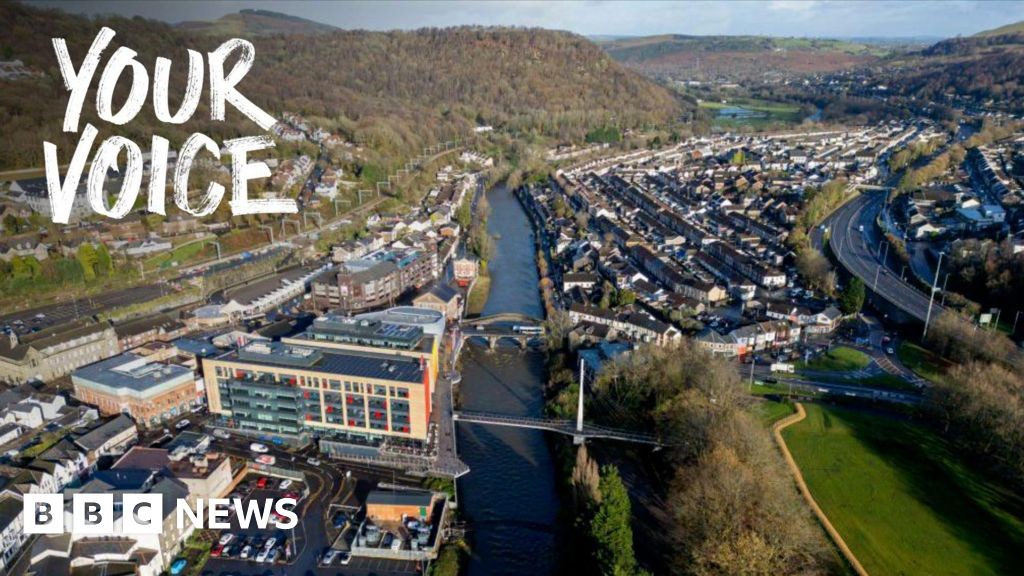
As Wales prepares for the Senedd election on 7 May, a significant shift in voter priorities is reshaping the political landscape. In regions like Pontypridd, which has suffered repeated devastating floods, one might expect climate change to dominate the conversation. Instead, the cost of living crisis has eclipsed environmental concerns for many voters, pushing net zero targets to the back burner.
This trend reflects a broader national pattern where immediate economic pressures are displacing long-term ecological goals. While the Welsh Parliament was once a global pioneer in declaring a climate emergency and setting legally binding 2050 net zero targets, political consensus on the issue has fractured.
The “Finite Pool of Worry”
For many residents, daily financial survival takes precedence over abstract environmental metrics. When asked about their voting priorities, locals in Pontypridd frequently cited taxes, personal finances, and job security.
“When I vote I’m thinking taxes, money… probably not the environment,” said one resident. Another dismissed net zero as “something for the future.”
This sentiment is supported by psychological research. Professor Wouter Poortinga of Cardiff University explains this phenomenon using the “finite pool of worry” hypothesis. When people are stressed about immediate issues like inflation, unemployment, or immigration, their capacity to worry about distant threats like climate change diminishes.
Recent data underscores this shift:
– The proportion of the UK public believing net zero should be achieved sooner than 2050 has nearly halved since 2021.
– Conversely, the number of people who believe the target is unnecessary has risen from 9% to 26%.
– Despite this, 64% of people still support the net zero goal, indicating that while urgency has waned, foundational support remains.
The decline in enthusiasm is particularly pronounced among voters aged 55 and over and those on the right side of the political spectrum. Professor Poortinga notes that climate change, once a cross-party consensus issue, has increasingly become entangled in culture wars, leading to greater polarization.
Local Tensions: Floods vs. Farms
While national statistics show waning urgency, local realities remain stark. David Heathfield, 41, pointed to a frequently flooded road in Pontypridd as tangible proof of climate change’s impact. However, not all environmental policies are viewed positively by the public.
In the Dulais Valley, opposition to large-scale renewable energy projects has hardened attitudes toward net zero. Geraint Evans, a local campaigner, argues that Neath Port Talbot already produces more renewable power than any other Welsh local authority. He contends that further industrialization of rural landscapes is unnecessary and unfair.
“We need to have an honest conversation about net zero,” Evans said. “The critical thing is using the right technology in the right place.”
This highlights a key tension: while voters may accept the need for a low-carbon economy in principle, they are increasingly skeptical of how it is being implemented, particularly when it affects local communities or drives up energy bills.
Generational Divide and Job Opportunities
Despite the broader skepticism, younger generations and students see net zero as an economic opportunity. At Neath College, engineering students Saleh Mansour and William Taylor are preparing for careers in renewable energy.
“With renewable energy and the way it’s progressing there’s a load of jobs in the future,” said William Taylor, 18. He views the transition as a “safe” career path and emphasizes that reaching net zero is essential to prevent the planet from crossing a “point of no return.”
This generational split suggests that while current economic anxieties dominate the present election cycle, the long-term workforce and economic structure may still be oriented toward green technology.
Political Responses: A Fragmented Landscape
The political parties are responding to these divided opinions with varying degrees of ambition and pragmatism. The election has become a test of how to balance environmental goals with economic protection.
- Labour : Emphasizes that the transition must support, not punish, Welsh households, businesses, and farmers. They have set a target for 100% renewable electricity by 2035.
- Plaid Cymru : Proposes the most ambitious timeline, aiming for net zero by 2040, arguing for a clear and accelerated pathway.
- The Green Party : Maintains that climate change is the “defining challenge of our time,” calling for urgent action to cut emissions and reduce energy demand.
- Reform UK : Takes a starkly different approach, pledging to scrap net zero entirely, arguing it has damaged energy security and increased household bills.
Conclusion
The Welsh Senedd election reveals a complex electorate: one that is still broadly supportive of net zero but increasingly impatient with its costs and implementation. As the “finite pool of worry” fills with economic concerns, politicians must navigate the delicate balance between urgent climate action and immediate financial relief. The outcome will likely depend on which parties can convincingly argue that green transition and economic stability are not mutually exclusive.