


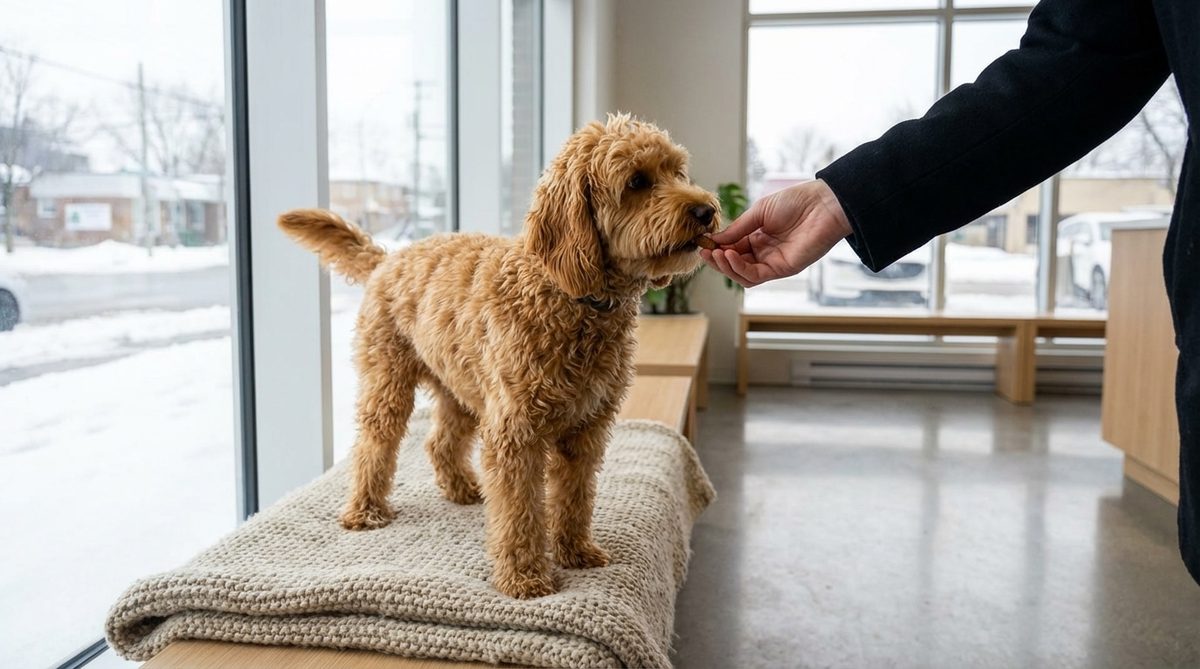
The cliché is etched into our collective memory. A dog frozen on a tile floor, eyes darting, leaning heavily against the glass door of the clinic. Outside, it shivers—not just from the cold, but from sheer dread. For decades, veterinary medicine accepted this panic as an unavoidable fact of life, something inherent to the white coat. It was just “how things are.” But that is changing. A quiet revolution is underway in exam rooms across the country. Forget the old-school brute force of physical restraint, which only amplified the terror. The fear-free veterinary method is now taking hold, and it relies on something surprisingly simple: basic ethological common sense. Small adjustments before you even step through the door can turn a traumatic ordeal into a routine check-up.
Escaping the Waiting Room Trap
Let’s be honest: the waiting room is a behavioral nightmare for dogs. It is a confined space saturated with the stress pheromones of previous patients. You are forcing sick or anxious animals to lock eyes in a high-pressure zone. It is the perfect recipe for a cortisol spike before the vet even sees them.
The first rule of the fear-free veterinary visit is brutally simple: do not stay inside if you can avoid it. If the vet is running late, sit in your car. Take a walk around the block. Let your dog sniff the air and decompress. Removing them from that stagnant, high-tension environment drastically reduces the pressure building up before the appointment even begins.
Desensitization Starts at Home
The real work happens weeks, even months, before you need to book an appointment. You cannot reasonably expect your dog to tolerate ear checks or mouth inspections if those sensations are foreign to them. Desensitization isn’t jargon reserved for professional trainers; it is daily hygiene.
Start by handling your dog all over the body at home. Get them comfortable standing on a low, stable table to mimic the exam table. Let them investigate medical tools—like a syringe without the needle—until they are boringly familiar. The unknown breeds anxiety. Routine breeds trust. When the vet touches an ear, the dog should think, Oh, this again, rather than What is happening?
High-Value Treats and Familiar Comforts
This is the core mechanism that flips the script. Offering a high-value treat before and during the exam isn’t bribery. It is applied neurobiology. You need rewards that your dog rarely gets—small cubes of cheese, bits of ham, or specialized liver paste. By associating the clinic with an exceptional gustatory reward, you short-circuit the fear circuit in the canine brain. The dog becomes so focused on the prize that they forget the potential pain of a vaccination shot.
Equally important is the physical environment. Exam tables are stainless steel. They are cold. They are slippery. For a nervous dog, the loss of traction and the chill against their paw pads are terrifying. You can fix this with two cheap items:
- A familiar blanket from home, soaked in your scent and theirs.
- A rubber non-slip mat if you cannot bring a blanket.
Covering the metal surface provides warmth and stability. The dog feels supported. Their own scent calms them. The vet can auscultate the heart and lungs without managing a patient who is slipping and panicking.
Why Calm Dogs Get Better Care
Beyond the emotional benefit, there is a hard clinical reality: a terrified dog is a difficult patient to treat accurately. Stress physically alters physiology. Heart rate spikes. Body temperature rises artificially. Blood sugar levels fluctuate. These changes can skew diagnostic data and lead to misinterpretations. A calm animal provides reliable data.
Muscle tension is another factor. A dog clamped down by fear makes abdominal palpations painful and joint manipulations ineffective. It is nearly impossible for the vet to feel for lumps or assess mobility properly. By prioritizing relaxation through preparation, you enable a thorough and precise examination. This also prevents defensive aggression, protecting the staff and reinforcing the bond between owner, pet, and provider.
It creates a virtuous cycle. Less fear today means easier care tomorrow.
Veterinary medicine has realized it cannot just treat bodies while ignoring minds. The combination of environmental management, strategic rewards, and physical comfort marks the end of the “struggle” visit. These simple preparations transform the experience for the dog and improve the quality of care for the vet. The clinic door is no longer a barrier to be breached by force. It is just a doorway.
So the next time you walk in, hold the treat high. Watch your dog’s ears perk up. The panic might still linger in the back of your mind, but look at the dog. They are sniffing the ham. They are standing tall. The revolution is silent, and it is happening one treat at a time.


