NASA is on track to launch Artemis 2, the first crewed mission to the moon in over 50 years, with a planned liftoff on April 1st. Misi 10 hari ini akan mengirim empat astronot – Reid Wiseman, Victor Glover, Christina Koch (semuanya NASA), dan Jeremy Hansen dari Badan Antariksa Kanada – dalam penerbangan lintas bulan, menandai langkah maju yang besar dalam eksplorasi ruang angkasa. Misi ini bukan sekadar pengulangan misi Apollo; it represents the beginning of a new era of sustained lunar presence and potential future missions to Mars.
### Artemis 2: Yang Perlu Anda Ketahui
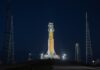
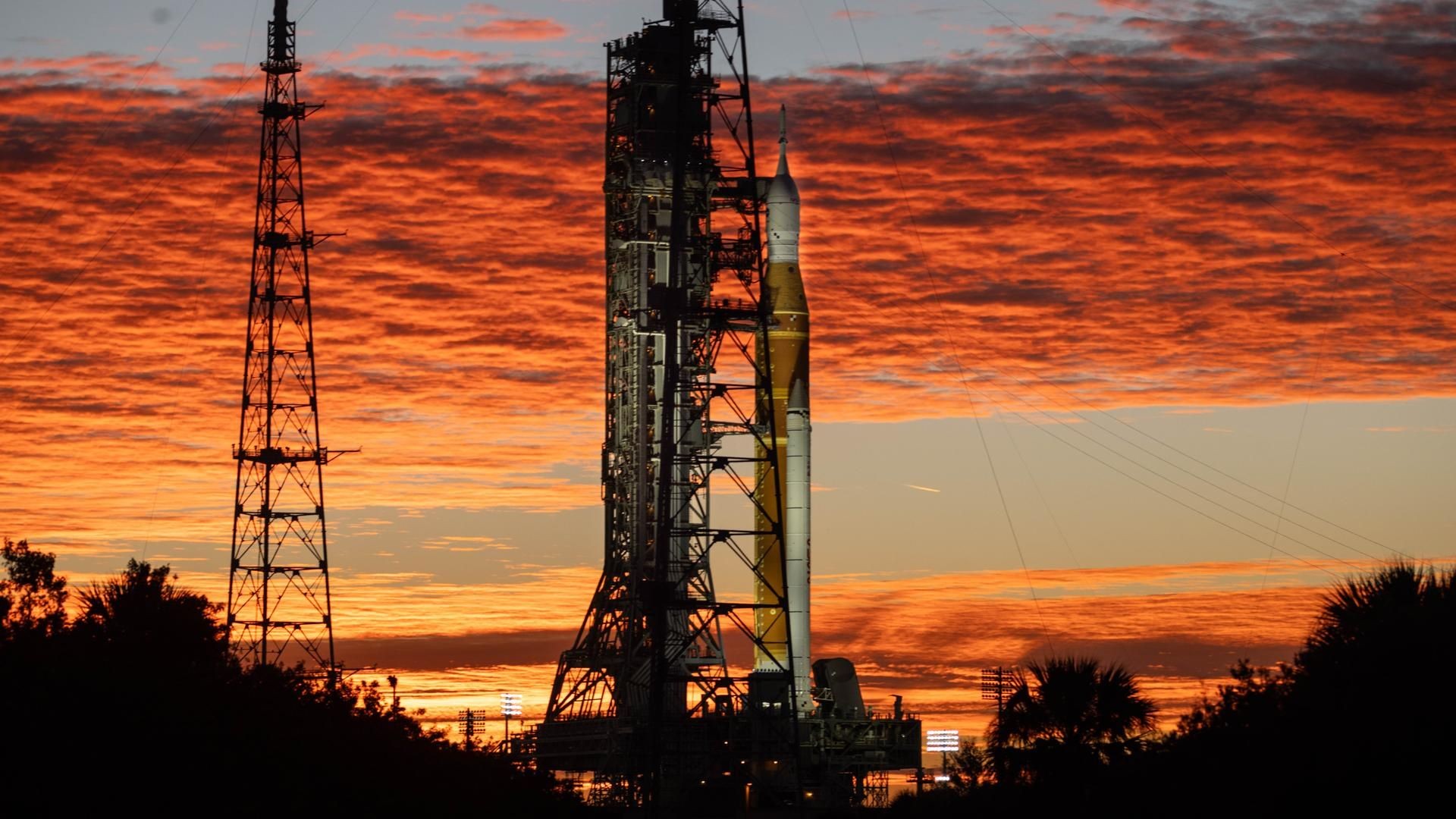
Tumpukan Artemis 2 – roket Space Launch System (SLS) dan kapsul Orion – saat ini berada di Launch Complex 39B di Kennedy Space Center di Florida. Ia tiba di sana pada tanggal 20 Maret setelah meluncur lambat sejauh 4 mil dari Gedung Perakitan Kendaraan (VAB) di atas crawler-transporter besar 2. Ini adalah kedua kalinya tumpukan dipindahkan ke pad; initial launch attempts were delayed due to technical issues.
### Overcoming Technical Challenges
Jalan menuju tanggal 1 April tidaklah mulus. Target peluncuran sebelumnya pada bulan Februari ditunda setelah para insinyur mendeteksi kebocoran hidrogen selama “latihan basah” – simulasi peluncuran skala penuh. The leak was repaired, but another issue arose: an interruption in the helium flow to the SLS’s upper stage. This required the stack to return to the VAB for fixes, a significant setback.
NASA has stated it won’t conduct another wet dress rehearsal, meaning fewer pre-flight checks this time. However, a crewed mission demands extreme caution. Any unexpected problem could still delay the launch, as human safety remains the top priority.
### Mengapa Ini Penting
Artemis 2 is more than just a technical achievement; it’s a demonstration of renewed commitment to deep-space exploration. Since Apollo 17 in 1972, no humans have ventured beyond low Earth orbit. Artemis aims to change that, establishing a long-term presence on and around the moon as a stepping stone for future missions to Mars.
The success of Artemis 2 is critical for maintaining momentum in space exploration and inspiring a new generation of scientists and engineers.
The mission will test the SLS rocket and Orion capsule under real-world conditions, providing valuable data for future Artemis missions. If successful, Artemis 2 will pave the way for Artemis 3, which plans to land astronauts on the lunar surface by 2026.