


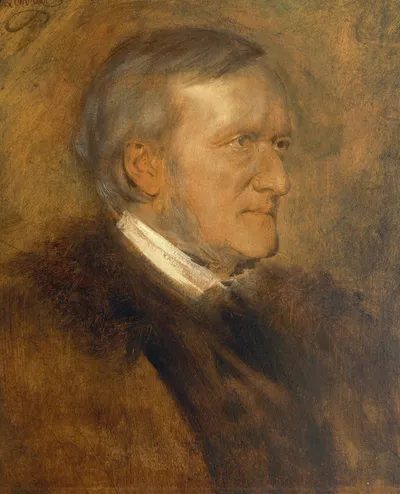
Richard Wagner’s Parsifal is not just an opera. It is a heavy, solemn work that Wagner himself called ein Bühnenweihfestspiel —a theater-consecrating festival piece. First performed at the Bayreuth Festspielhaus in Bavaria on July 26, 1882, it stands as his final music drama. He died less than seven months later, in February 1883.
The work was written specifically for Bayreuth. For a long time, Wagner insisted only that theater could stage it. It wasn’t until the 1930s that other houses got the rights. In its debut season, the festival ran the show sixteen times between late July and late August. Wagner knew this was his swan song. He also knew it would secure a financial legacy for his son, Siegfried. The Bayreuth Festival remains under Wagner family control to this day.
Why Parsifal Matters in Music History
Wagner based the libretto on Parzival, a medieval German epic by Wolfram von Eschenbach. He stripped it down and rebuilt it. The story tracks a questing youth. But underneath the plot, Wagner set up stark contrasts. Purity versus desecration. Self-control versus licentiousness.
He was not a conventionally religious man. Yet he wove Christian symbolism into the fabric of the piece. The Grail. The Holy Spear that supposedly wounded Jesus on the cross. These are not just props. They are central to the narrative tension.
Critics often point to Wagner’s essays from 1878 to 1881 for context. Titles like “Modern” and “Heroism and Christianity” reveal his idiosyncratic views. His essays are also steeped in virulent antisemitism. That shadow hangs over the work. You cannot separate the art from the artist’s documented prejudices.
Because of its overt Christian imagery, Wagner refused to call Parsifal an opera. He saw it as a sacred drama. The music reflects this. It is slow. It is solemn. It demands patience.
One section is famous enough to stand alone on concert programs. The Good Friday Music from Act III. It expresses repentance and transfiguration. Wagner uses leitmotifs and shifts in key to evoke a sense of rapt beauty. The piece ends with the pealing of bells. He had mastered orchestration by then. He could make music sound like shimmering light.
The Cast and Characters
The drama relies on a small but potent cast.
- Parsifal (tenor): The wandering youth. Innocent. Unknowing.
- Kundry (soprano): A sorceress. She serves both the knights and the evil sorcerer.
- Klingsor (baritone): The evil sorcerer. He seeks to manipulate Kundry.
- Amfortas (baritone): The ruler of the Grail Kingdom. He suffers an unhealing wound.
- Gurnemanz (bass): A knight of the Grail. Elderly. Wise. He guides Parsifal.
- Titurel (bass): Amfortas’s father. The former leader. Dying.
Supporting roles include esquires, knights, flower maidens, and youths. They create the atmosphere of ritual.
Act I: The Quest Begins
The action moves to an imagined medieval Spain. The setting is specific.
Forest Glade Near Monsalvat
Esquires pray for their leader, Amfortas. He bears a wound from the spear. It will not heal. Kundry arrives. She brings herbs from Arabia. She hopes they will cure him. Amfortas is carried in on a litter. He is not hopeful.
Once he is gone, Gurnemanz speaks. He tells the history of the Grail. He explains the spear that pierced Jesus’ side. He tells how Klingsor stole it. How Klingsor wounded Amfortas.
Only a pure, innocent man can retrieve the spear. Only he can heal Amfortas and save the order.
A swan falls from the sky. Shot by an arrow. Parsifal appears. He is young. He knows nothing of the world. Not his origins. Not the rules. Gurnemanz scolds him. Parsifal protests. He did not know shooting the bird was wrong.
Gurnemanz sees something in the boy. The pure man? He takes Parsifal into the castle.
The Castle Hall
After the Transformation Music, the knights assemble. Old Titurel urges his son, Amfortas, to reveal the Grail. Amfortas feels unworthy. The ceremony proceeds anyway.
Parsifal watches. He shows no interest. He does not understand the ritual. Gurnemanz, angry, sends him away.
Act II: The Garden of Temptation
Klingsor’s Magic Castle
Klingsor summons Kundry. She appears reluctantly. He orders her to defeat an opponent. He demands she become an irresistible temptress. She has done this before. She helped Klingsor wound Amfortas.
The Magic Garden
Parsifal enters Klingsor’s garden. He got past the guards by slaying some of the sorcerer’s knights. The flower maidens scold him for the violence. Then they try to seduce him.
Kundry arrives. The other women leave. She tells Parsifal about his parents. She begins her own seduction. She kisses him.
The kiss wakes something in Parsifal. Passion. But also knowledge. He realizes who he is. He realizes he is the one who can save Amfortas. He breaks free.
Klingsor appears. He throws the spear. Parsifal catches it in midair. He makes the sign of the cross with it.
The magic shatters. Klingsor’s castle collapses. The garden disappears. Parsifal leaves. Victorious. But the journey is not over.
The first act of this story ends here. The transformation is complete. But the healing has barely begun. What happens next?
The Weight of Time and the Return of the Spear
It’s been years. The castle feels different now. Heavier. Gurnemanz is ancient, his voice thin with the weight of memory. He talks about Parsifal’s absence like it’s a physical wound. And Amfortas? He’s fading. Really fading. The wound won’t heal. The spear won’t stop the pain. It’s Good Friday morning. The air is crisp, clean, waiting.
Then Kundry shows up. Not the seductive temptress from before, but broken. Abject. She’s back.
And then, he appears.
A mysterious figure. Praying. Gurnemanz recognizes him immediately. Parsifal.
They talk. Quietly. Parsifal tells him what he saw on his quest. What he endured. He held onto the spear. He kept it safe. That matters. It changes everything.
With holy rituals, the shift happens. Parsifal isn’t just a visitor anymore. He’s the new leader. The Grail knights bow. Kundry gets redemption. It’s not a loud victory. It’s quiet. The Good Friday Music swells. It washes over the stone walls.
Healing and Sacrifice
Amfortas can’t walk. Can’t stand. He’s carried into the hall. Still too weak. Still in agony.
Parsifal steps forward.
He doesn’t speak. He just touches the wound with the spear.
It’s done. Amfortas is healed.
The crystal Grail comes out of its golden shrine. It glows. Brighter and brighter. Kundry forgives herself. Forgives everyone. She falls. Lifeless. On the floor.
Parsifal raises the Grail. Blesses the knights.
Above him, a dove descends. Hovers. Still.
That’s it. No grand speech. Just the dove. The light. The silence after the music stops.
Did it really matter? The years? The pain? The spear?
It feels like it did.
The knights look up. Parsifal looks up. The dove stays.
For now.


