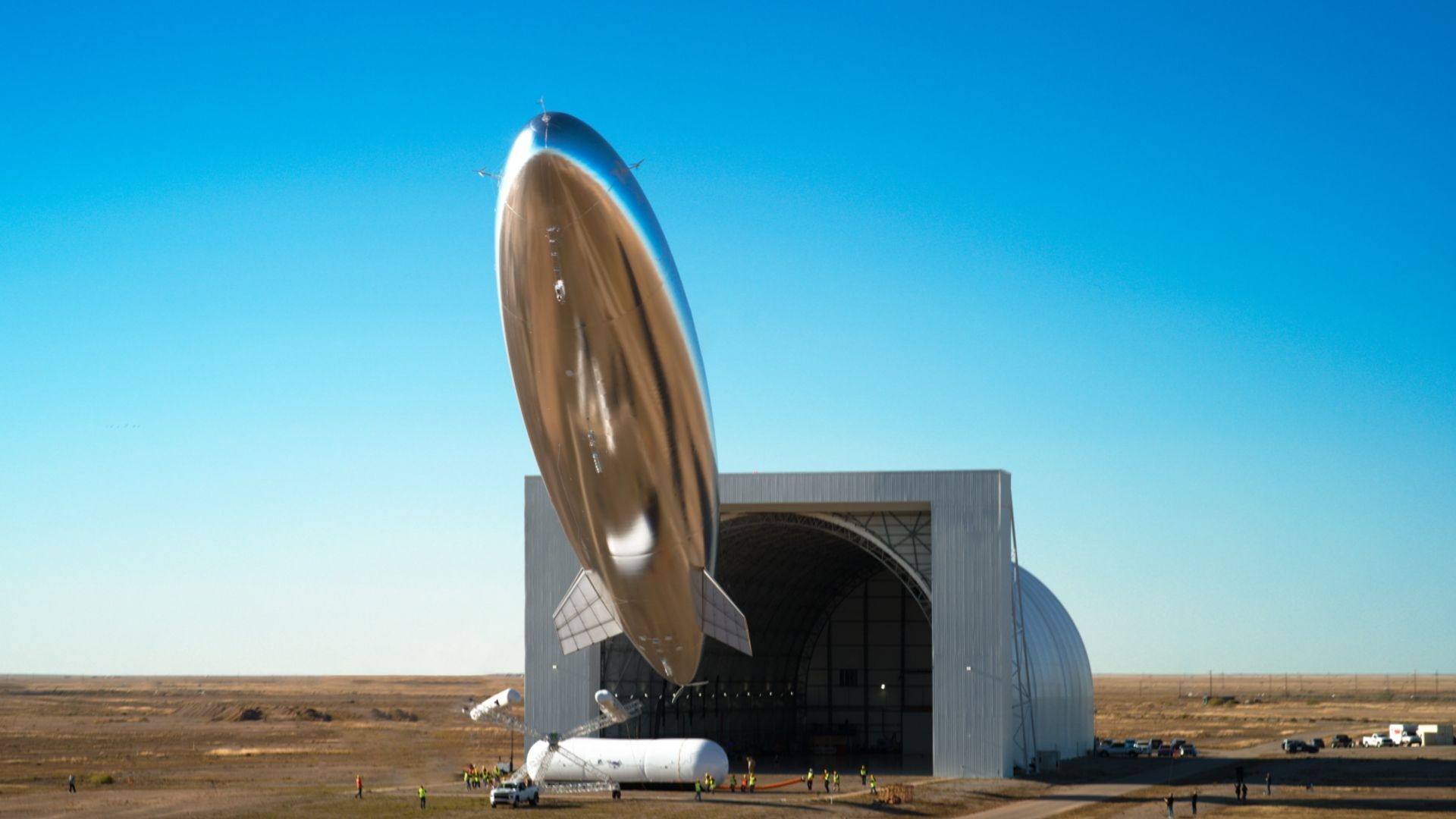
A new wave of high-altitude platforms (HAPs) – including long-endurance planes and airships – is emerging as a potential disruptor to satellite-based internet services like SpaceX’s Starlink. These platforms promise to deliver high-speed connectivity at significantly lower costs, potentially connecting billions currently excluded from digital access.
The Limitations of Current Satellite Solutions
While companies like SpaceX have touted low Earth orbit (LEO) megaconstellations as the future of global internet, they face inherent limitations. Satellite internet requires expensive user terminals, suffers from bandwidth dilution as user numbers grow, and poses growing sustainability concerns. The increasing number of satellites in orbit raises the risk of collisions and atmospheric pollution from re-entry debris. Starlink currently offers around 17 Mbps to devices directly, while even AST SpaceMobile’s advanced antennas reach only about 21 Mbps – insufficient for many modern applications.
HAPS: A More Efficient Approach?
HAPs operate in the stratosphere (6-31 miles above Earth), offering a sweet spot between ground-based infrastructure and satellite networks. Previous attempts, like Google’s Loon project, failed due to sustainability issues. However, companies like World Mobile Stratospheric and Sceye now claim to have overcome these challenges.
The key innovation lies in power generation. Traditional high-altitude balloons relied on solar power, which provided limited energy. World Mobile’s Stratomast aircraft utilizes liquid hydrogen, enabling six-day flights at 60,000 feet and powering a high-bandwidth phased-array antenna capable of serving 500,000 users simultaneously. CEO Richard Deakin boldly claims, “When the Stratomast is flying, all these old satellites are going to be in museums.”
Cost and Coverage Advantages
HAPs offer significant cost advantages. World Mobile estimates running a Stratomast system over Scotland would cost around $52 million annually, providing 200 Mbps connectivity to 5.5 million people at roughly 60 pence per month. This is far cheaper than Starlink’s $40/month subscription, even in areas with low demand. A single Stratomast can cover 6,000 square miles, meaning just nine platforms could provide coverage for the entire country.
Sceye’s Airship Approach
Sceye is pursuing a different HAP design: a solar-powered airship that has successfully demonstrated overnight endurance in the stratosphere. The company received a “strategic investment” from SoftBank, signaling confidence in its technology. Sceye’s founder, Mikkel Frandsen, believes that even fully deployed, satellite constellations will fall short of meeting global connectivity needs.
Geopolitical Implications
Beyond cost and efficiency, HAPs offer strategic advantages. World Mobile’s head of aerial platforms, Gregory Gottlieb, notes that these systems are agile and deployable at short notice, making them less vulnerable in times of conflict. Unlike satellites, which could be targeted in a major war, HAPs can be repositioned quickly and operate on flexible spectrums.
The Path Forward
World Mobile Stratospheric aims to conduct stratospheric tests in 2027, following successful ground trials in Germany and Saudi Arabia. Sceye is also targeting commercial service by 2027. While satellite megaconstellations will continue to play a role, HAPs represent a viable and potentially superior alternative for bridging the global digital divide.
The emergence of HAPs as a competitive force in the internet connectivity market signals a shift towards more scalable, sustainable, and resilient solutions, challenging the dominance of satellite-based systems.