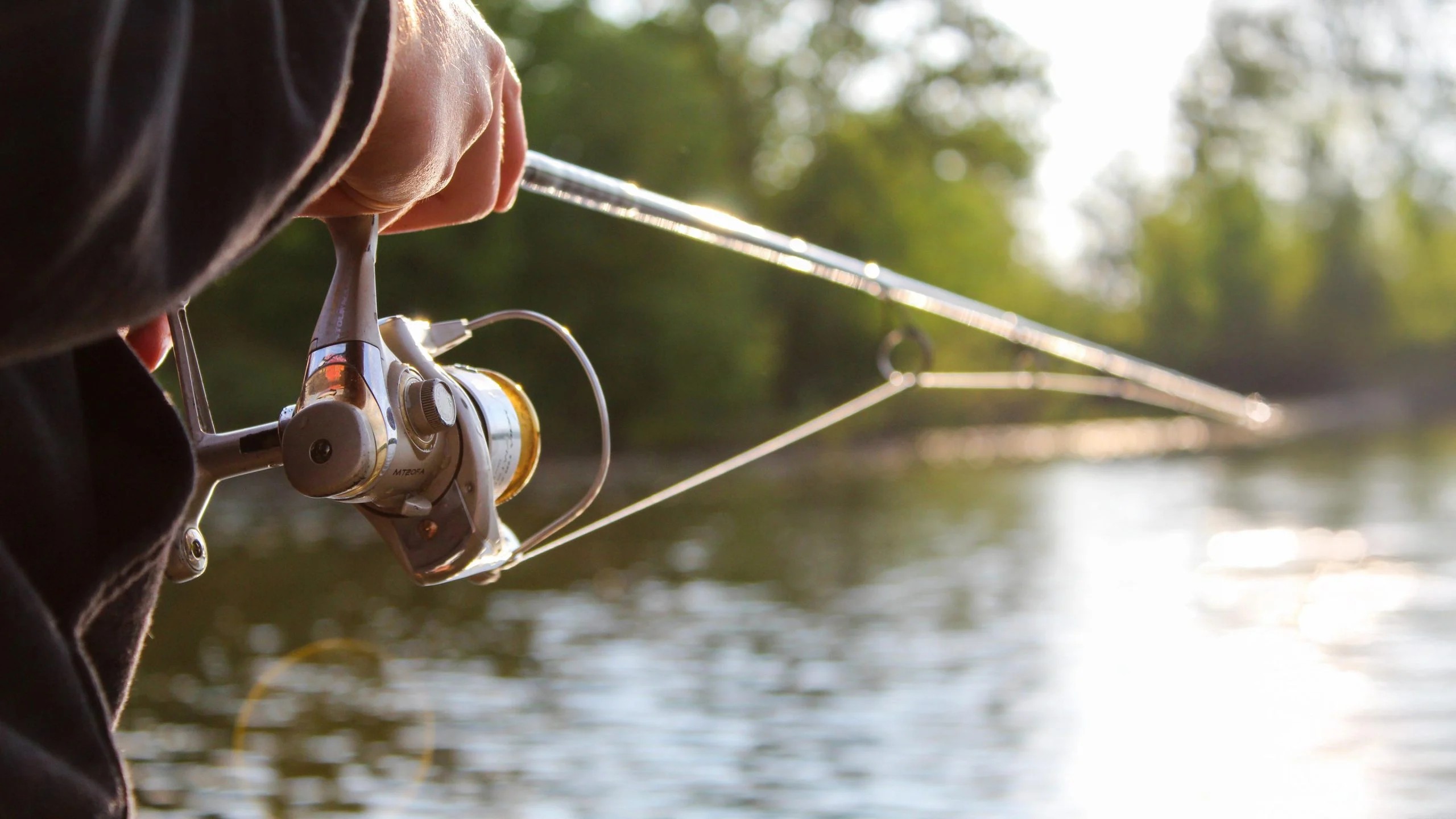
The lakes and streams that have long served as recreational havens across northern North America and Europe are undergoing a visible transformation. Many anglers have noticed their favorite fishing spots turning a murky brown, but this aesthetic shift signals a profound ecological change. This phenomenon, known as freshwater browning, is altering fish growth rates, shifting species balances, and forcing a reevaluation of what—and how—we catch.
The Chemistry of Brown Water
Freshwater browning is not a sudden event but a gradual trend driven by complex interactions between climate change and land chemistry. The primary culprit is an increase in dissolved organic carbon flowing from soil into water bodies. This carbon acts much like tea leaves steeping in water, staining it brown and reducing visibility.
Two major factors are accelerating this process:
- Climate Change: Rising temperatures and increased precipitation lead to higher runoff, washing more organic matter from the land into lakes and rivers.
- Reduced Acid Rain: Decades of efforts to reduce acidic emissions from industrial sources have successfully lowered acid rain. While this is an environmental victory, it has inadvertently changed soil chemistry. With less acid to bind with organic compounds, more carbon is now leaching into freshwater systems.
A New Competitive Landscape
The darkening of water creates a sensory handicap for aquatic life. In clear water, vision is the primary tool for hunting and survival. In brown water, visibility drops, making it harder for fish to locate prey, avoid predators, and find suitable habitats.
Research indicates that this shift disproportionately affects fish that rely heavily on sight. Our analysis of data from hundreds of lakes reveals a clear pattern: fish growth rates decline in browner waters. Slower growth leads to smaller individual fish and reduced overall population sizes for certain species.
The Losers: Vision-Dependent Species
Species that depend on sharp eyesight to thrive are seeing their populations shrink or their growth stunted. This includes:
* Lake trout
* Lake whitefish
* Yellow perch
* Largemouth and smallmouth bass
For anglers targeting these species in unstocked lakes, the challenge is increasing. The “trophy” fish of the past may become rarer as ecosystems favor slower-growing individuals.
The Winners: Sensory Specialists
Conversely, species adapted to low-visibility conditions are thriving. Northern pike and walleye are increasingly dominant in brown waters. Their success is rooted in biological advantages:
* Walleye possess specialized retinas that allow them to see better in murky, low-light conditions.
* Pike rely on a highly developed lateral-line system, which detects vibrations, movement, and pressure changes in the water, allowing them to hunt effectively without relying on sight.
Interestingly, brook trout appear resilient to these changes, showing no significant decline in abundance despite the darkening waters.
Adapting to the Murk
The shift in species balance has practical implications for fishing strategies. If the fish you are targeting have evolved—or been selected—to rely less on vision, traditional tactics may become less effective.
Key Insight: In brown water, sight is no longer the primary sense for many dominant fish species.
Anglers can improve their success by appealing to other senses:
* Vibration: Use lures that create strong vibrations, which are detected by the lateral lines of pike and other predatory fish.
* Scent: Employ scented lures to trigger olfactory responses, helping fish locate bait in low-visibility conditions.
* Avoid Flashy Visuals: Bright, shiny lures designed to attract visual attention may be less effective than subtle, sensory-focused options.
Conclusion
Freshwater browning is a tangible example of how climate and chemical changes ripple through ecosystems, altering not just the color of the water, but the life within it. As visibility declines, the balance of power shifts from sight-dependent predators to those equipped with superior sensory adaptations. Understanding these changes allows both scientists and anglers to adapt, ensuring that fishing remains a viable and rewarding pursuit in a transforming world.