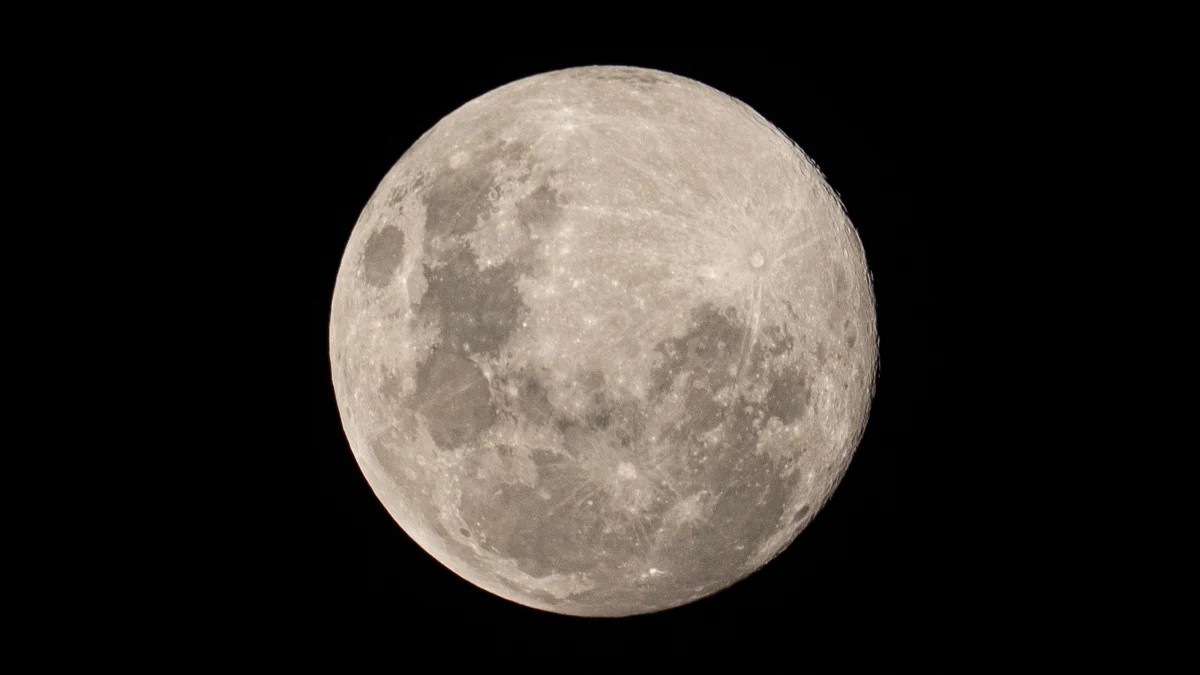
The February Full Moon, traditionally known as the Snow Moon, will peak on Sunday, February 1st, 2026, at 5:09 p.m. Eastern Time. This name reflects the often snowy conditions typical of February in many regions. But why do Full Moons have names at all? And what does it mean when the Moon isn’t full?
What’s Behind the Moon’s Names?
For centuries, different cultures have given each Full Moon a unique name tied to seasonal events or natural phenomena. The Snow Moon is a clear example: February is often the snowiest month in many parts of the world. Other names reflect hunting patterns, plant growth, or agricultural cycles. These names are not official astronomical terms but cultural designations passed down through generations.
Understanding Lunar Phases
The Moon’s phases aren’t random. They’re a direct result of Earth’s orbit around the Sun, and how much of the Moon’s sunlit side we can see from Earth. The Moon itself doesn’t produce light; it reflects sunlight. As it orbits our planet, the angle of sunlight changes, creating the phases we observe:
- New Moon: The Moon is between Earth and the Sun, so the side facing us is dark.
- Waxing Crescent: A sliver of light appears on the right side (in the Northern Hemisphere).
- First Quarter: Half of the Moon is lit on the right.
- Waxing Gibbous: More than half is lit, but not fully.
- Full Moon: The entire face of the Moon is illuminated.
- Waning Gibbous: Light begins to fade on the right side.
- Last Quarter: The left side is half lit.
- Waning Crescent: A thin sliver remains on the left before disappearing again.
This cycle takes approximately 29.5 days to complete. We always see the same side of the Moon because it’s tidally locked with Earth, meaning its rotation period matches its orbital period.
What’s Next?
The next Full Moon is predicted for March 3, 2026. Notably, this Full Moon will coincide with a total lunar eclipse visible in parts of North America and other regions. This means the Moon will pass through Earth’s shadow, turning a deep red color.
The Moon’s phases and associated cultural names are a reminder of how deeply interconnected humans have been with celestial events throughout history. Paying attention to these cycles provides a simple yet profound connection to the natural world.