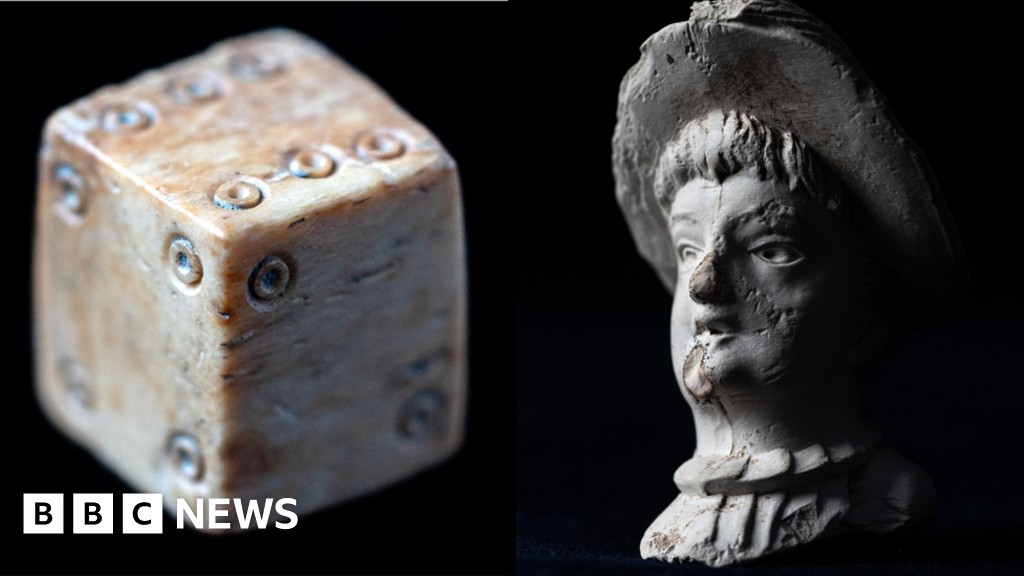
The ongoing construction of the high-speed HS2 railway has yielded an unprecedented collection of over 450,000 archaeological artifacts, rewriting our understanding of life in Britain stretching back tens of thousands of years. The finds, currently stored in a secure warehouse in Yorkshire, span from Neanderthal hand axes to 19th-century gold dentures, offering a unique snapshot of human history across the landscape.
A Window into Deep Time
Archaeological surveys are a standard part of major construction in the UK, ensuring heritage sites are protected. However, the scale of discoveries along the HS2 route – a 130-mile stretch from London to Birmingham – is exceptional. Since 2018, over 1,000 archaeologists have excavated 60 dig sites, unearthing a wealth of objects that speak to the lives of people who inhabited these lands for millennia.
Among the most striking finds is a possible Roman gladiator’s tag, etched with the inscription “Lord Victor, may you win and be lucky.” While no arena has been found nearby, the object suggests gladiatorial culture may have been more widespread than previously thought. Also unearthed were tools from Neanderthals dating back more than 40,000 years, a polished Anglo-Saxon spindle whorl used for spinning yarn, and even a set of gold-filled dentures from the Victorian era.
The Human Story Behind the Artifacts
The sheer volume of objects, now cataloged in over 7,300 boxes, is remarkable. Dr. Sara Machin, the project’s lead archaeologist, emphasizes the human connection: “These are objects, but they all relate to people… we can start writing the stories about their lives.” One poignant example is an empty 1799 coffin found carefully wrapped in bubble wrap, a stark reminder that these are not just relics, but remnants of real lives lived and lost.
Controversy and Ownership
The HS2 project itself remains controversial, with critics like MP Greg Smith questioning its cost and environmental impact. Yet, even opponents acknowledge the archaeological value. As historian Graham Evans points out, “If they built the railway and they didn’t do the archaeology, that would be more tragic.”
The future of these artifacts is still being decided. Under English law, ownership will either fall to the government or landowners. HS2 officials hope landowners will donate items to local museums, ensuring the public can access these pieces of history.
The discoveries along the HS2 route are not just a collection of objects, but a sprawling narrative of human existence in Britain. The sheer scale and diversity of the finds are rewriting our understanding of the past, one artifact at a time.