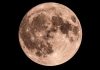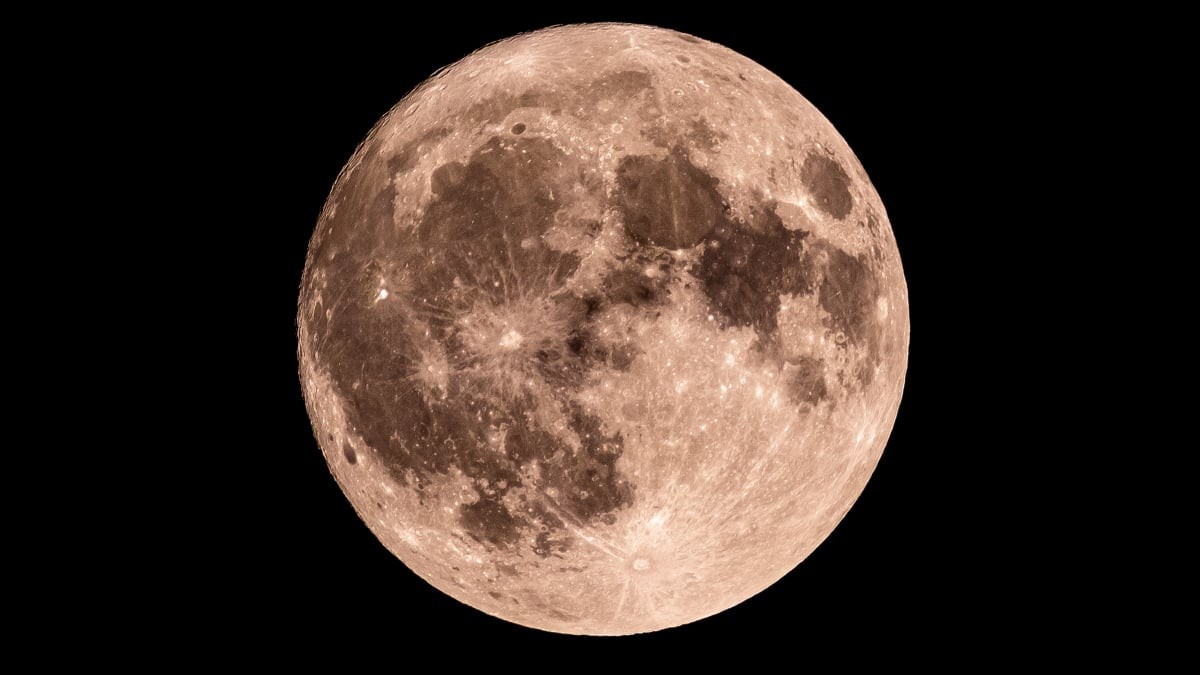
The Moon is currently in its waning crescent phase, meaning it’s shrinking towards the New Moon. As of today, December 13, 2025, roughly 34% of the lunar surface is illuminated. This phase offers a chance to observe subtle details on the Moon’s surface before it disappears from view.
What You Can See Tonight
Without special equipment, observers can spot features like Kepler Crater and the vast Oceanus Procellarum (Ocean of Storms). Binoculars will reveal additional details, including the large Grimaldi Basin, the prominent Clavius Crater, and the darker Mare Humorum (Sea of Humors). For those with telescopes, the subtle Reiner Gamma, Schiller Crater, and rugged Fra Mauro Highlands become visible.
Next Full Moon: January 3rd
The next full moon is scheduled for January 3rd, marking the opposite extreme of the lunar cycle. This will be a period of maximum visibility, with the entire lunar disk brightly lit.
Understanding Moon Phases: A Quick Guide
The Moon’s phases aren’t random; they are a predictable cycle of approximately 29.5 days. The changing appearance is caused by variations in sunlight hitting the lunar surface as it orbits Earth. Despite always seeing the same side of the Moon, the illuminated portion varies, creating the familiar phases:
- New Moon: The Moon is positioned between Earth and the Sun, rendering its visible side dark.
- Waxing Crescent: A sliver of light appears on the right side (in the Northern Hemisphere).
- First Quarter: Half of the Moon is lit on the right side, appearing as a half-moon.
- Waxing Gibbous: More than half is lit, approaching fullness.
- Full Moon: The entire visible surface is illuminated.
- Waning Gibbous: Light begins to fade on the right side.
- Third Quarter: Half of the Moon is lit on the left side.
- Waning Crescent: A thin sliver of light remains on the left before disappearing again.
The cycle ensures that the Moon’s appearance changes predictably, creating a celestial spectacle accessible to anyone who looks up.