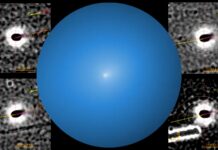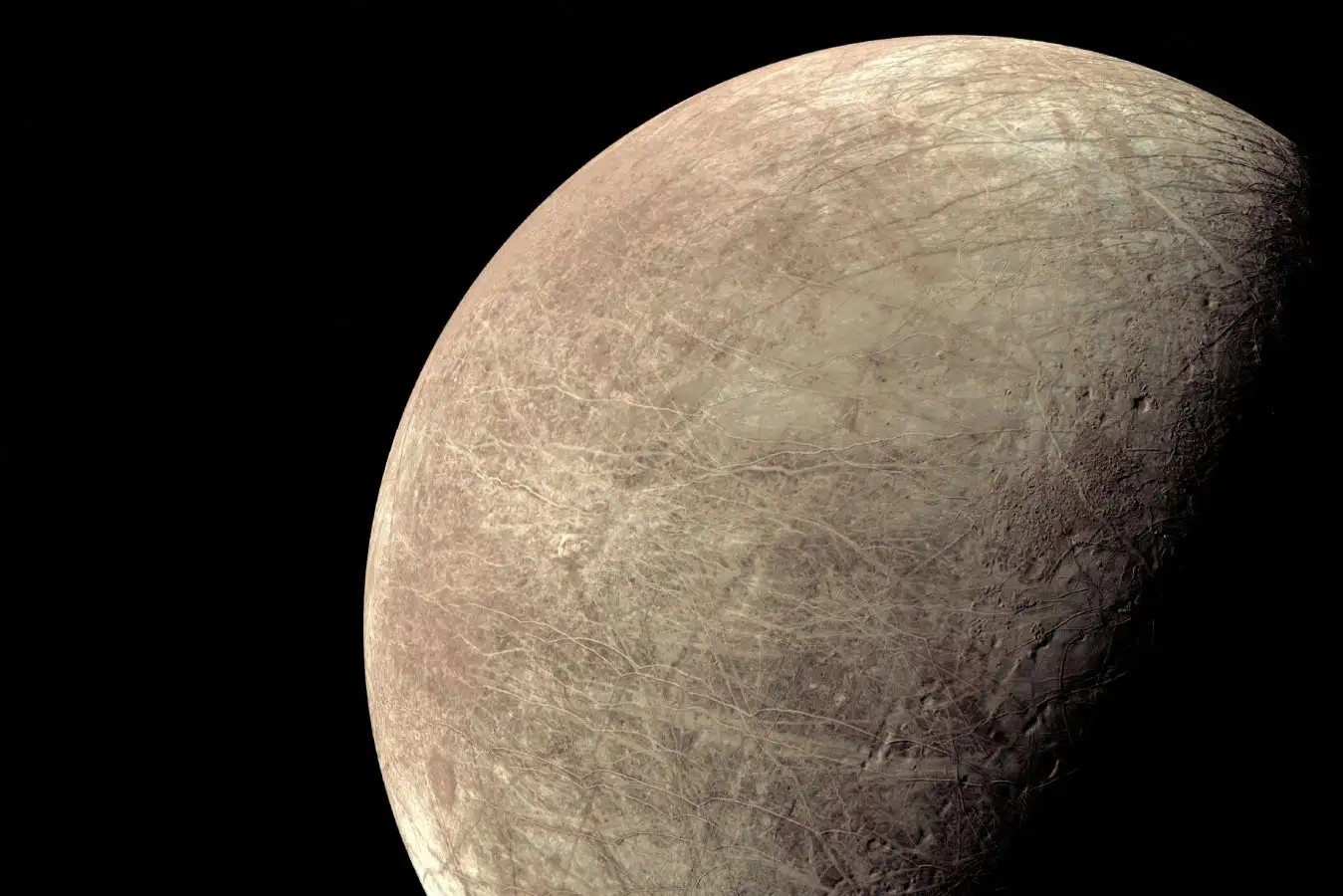
Recent data from NASA’s Juno spacecraft reveals that Europa, Jupiter’s icy moon, likely has a much thicker ice shell than previously thought—up to 29 kilometers (18 miles). This poses a major challenge for the search for extraterrestrial life, as it severely limits the exchange of nutrients between the surface and the subsurface ocean.
Why This Matters
Europa is considered one of the most promising places to search for life beyond Earth due to its vast liquid ocean beneath the ice. Scientists have long theorized that cracks and imperfections in the ice could allow chemicals to move between the ocean and the surface, potentially supporting life. However, the new data suggests these imperfections are shallow and small—not nearly enough to facilitate significant nutrient transfer.
The Juno Findings
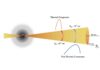
The Juno mission, which began orbiting Jupiter in 2016, used a microwave radiometer during a close flyby of Europa in September 2022. This instrument measured the ice’s temperature at various depths, revealing that the most probable thickness is around 29 kilometers, though it could range from 19 to 39 kilometers. Crucially, the detected cracks and pores only extend hundreds of meters deep and are just a few centimeters in radius.
“It means that the imperfections which we see with the microwave radiometer don’t go deep enough, and aren’t big enough, to carry much of anything between the ocean and the surface,” says Steven Levin of the California Institute of Technology, who led the study.
Implications for Future Missions
The thick ice doesn’t necessarily rule out life on Europa, but it makes it harder to study. The challenge now is that the ocean may be largely isolated, relying only on its initial chemical composition. This isolation could help any existing life persist for extended periods, but it also limits the potential for new energy or material sources.
NASA’s Europa Clipper mission, launching in 2024 and arriving at Jupiter in 2030, will attempt to gather more definitive data on Europa’s ice structure. The mission will need to determine whether there are other, yet-undiscovered mechanisms for nutrient transport between the ocean and the surface.
In conclusion, the discovery of a thicker, more impermeable ice shell on Europa complicates the search for life, but doesn’t eliminate the possibility. Future missions will be crucial to understanding the full extent of this icy barrier and whether it truly isolates the moon’s subsurface ocean.