It hurts. That’s the only thing that matters here.
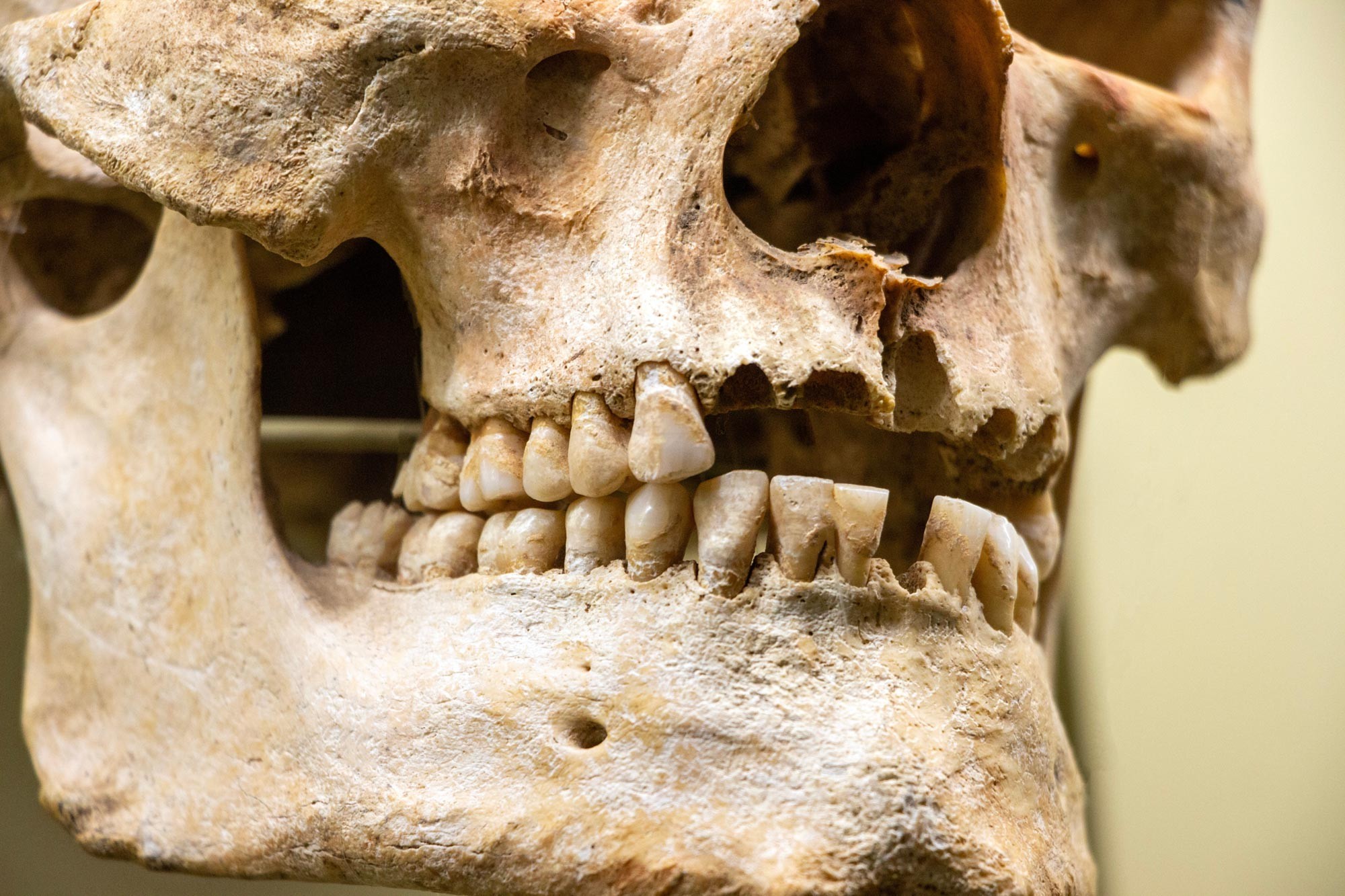
A 59,00-year-old Neanderthal molar from Siberia holds a secret. Or maybe two. One is an infection. The other is a cure.
For decades, we assumed our extinct cousins were just strong brutes surviving on instinct. Wrong. They understood pain. They knew where it came from. And they knew how to make it stop.
The evidence is a tooth. Just one. Found in Chagyrskaya Cave.
It has a hole.
Not a break. Not natural decay eating its way out. A deliberate, drilled cavity right in the pulp chamber. The kind of hole you make when you need to drain an infection to save the rest of the tooth.
Published in PLOS ONE in May 2026 by Alisa Zubova and her team, this study suggests Neanderthals performed surgery. Real, invasive dental work. Before Homo sapiens ever got the idea to do something similar. In fact, it predates the next oldest example of intentional dental treatment by more than 4000 years.
Think about the implications.
“The damage documented on the Neanderthal… points not only to intentional pulp removal… We also identified areas… where remnants of carious damage… was associated with treatment.”
Here’s how the researchers figured it out.
The tooth showed signs of severe caries. Cavity, rot, whatever you want to call it. It also had microscopic grooves along the sides. Toothpick marks. Previous findings showed Neanderthals cleaned their teeth with wood slivers. They may have used plants for medicine too. But cleaning isn’t curing. This tooth was drilled.
The team ran experiments.
They took three modern human teeth (plus two Holocene specimens). They grabbed a stone point—the kind Neanderthals actually used back in the day. They started drilling.
The result?
The microscopic scratches matched perfectly.
The shape of the hole in the 59k-year-old fossil looks nothing like a natural pulp chamber breakdown. It doesn’t match standard cavities. It looks exactly like a human hand holding a sharp stone and pushing it in.
Why go through that trouble?
Pain relief.
The procedure had to have hurt. You are drilling into an exposed nerve. But the alternative is likely worse. An infected tooth is misery. This person chose short-term agony to survive the long term. That requires a specific kind of intelligence. Diagnosing the source. Deciding on a course of action. Executing a precise motor task. Enduring the feedback.
It’s complex cognition. It’s medicine.
“Neanderthals… possessed unexpectedly sophisticated survival skills.”
Who was this person?
Ksenia Kolobova, one of the authors, notes these were migrants. Neanderthals arrived in the Altai region about 70,000 to 60,000 years ago from Europe. They stayed there for another 25,000 years or so. The environment was right. Wild bison, horses, diverse flora. Plenty of stone for tools.
Genetically, they are cousins to the Micoquian people of the Caucasus. They weren’t isolated hillbillies. They were part of a broader cultural network. A network that apparently shared a dental chair.
So why does this matter?
We tend to view Neanderthals as the “almost humans.” A failed branch on the family tree. Dead ends. But they knew how to treat disease. They manipulated their bodies with tools in ways we previously reserved for sapiens.
The tooth has wear on it too. Antemortem wear.
That means the person lived after the surgery. They didn’t die in pain immediately following the procedure. They went on chewing. Using that drilled hole every time they took a bite.
How much did it throb when they bit down on hard meat?
We don’t know. But they survived it.
The funding came from the Russian Science Foundation. The paper is titled “Earliest evidence for invasive mitigation… by Neanderthals.” The DOI is there for those who need it. The science is solid.
The narrative shifts though.
It wasn’t just us who figured out how to hack biology. They did it too. Fifty-nine thousand years before our hospitals existed, someone sat in the dark. Holding their breath. Letting a neighbor drill into their gum to stop the screaming.
We still don’t have the patient’s name. Or their gender. Or how long they lived after.
But they lived long enough for us to find their tooth.