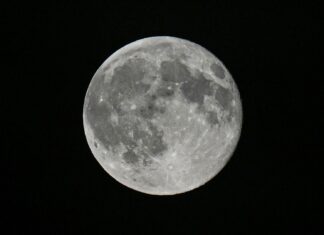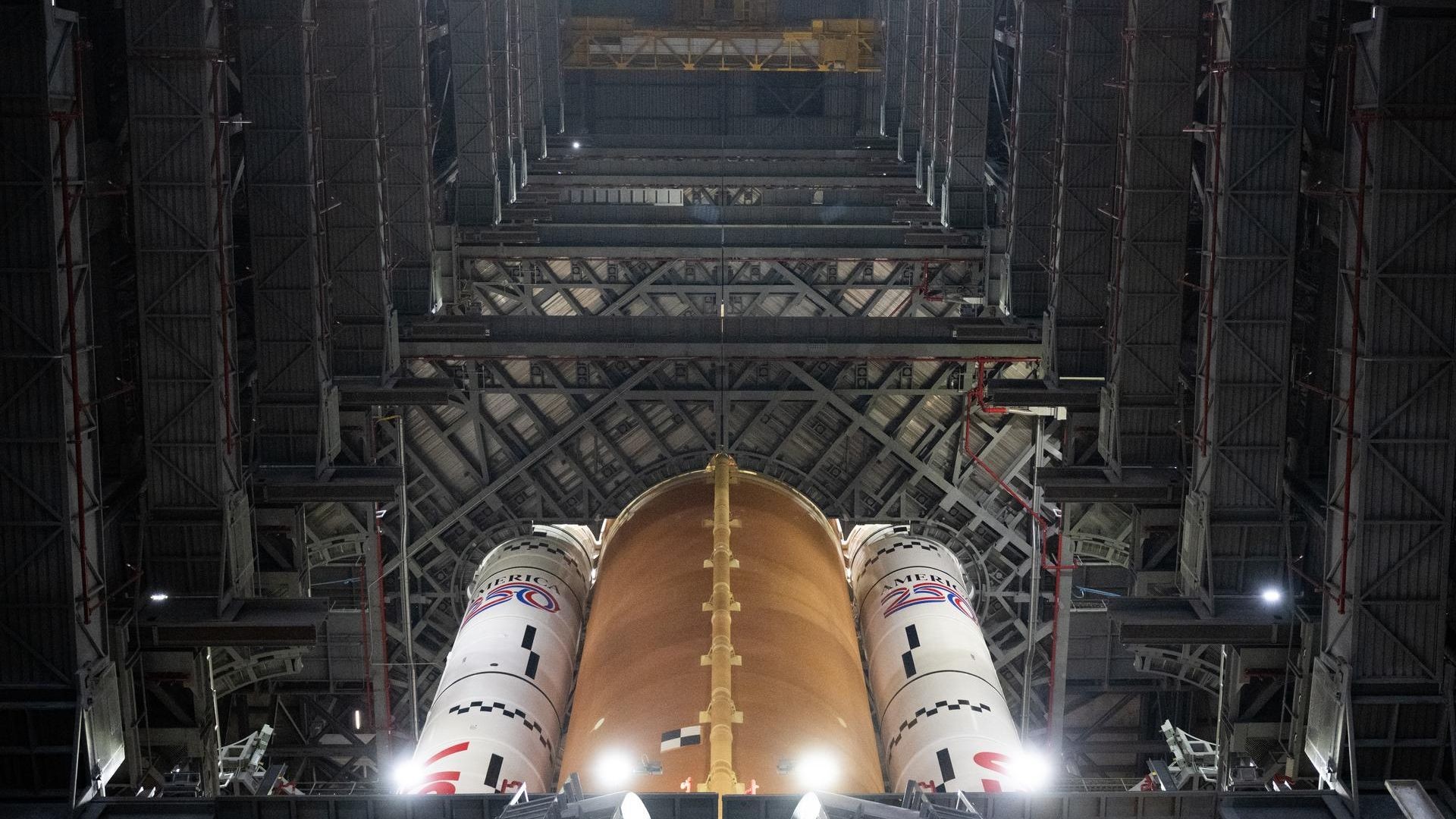
NASA is on track to launch the first crewed mission to the moon in over half a century, with the Space Launch System (SLS) rocket and Orion spacecraft scheduled to move to the launch pad on January 17th, pending favorable weather and technical checks. The Artemis 2 mission, targeting a launch window between February 6th and April 10th, represents a landmark moment in space exploration, marking humanity’s return to lunar proximity for the first time since Apollo 17 in 1972.
Rolling Out the Rocket
The SLS-Orion stack will be transported from the Vehicle Assembly Building (VAB) at Kennedy Space Center to Launch Pad 39B by the Crawler-Transporter 2, a 4-mile journey expected to take up to 12 hours. This is a critical step, as it initiates a series of pre-launch tests, including a “wet dress rehearsal” – a full propellant loading and simulated countdown to verify system readiness.
Why this matters: The Artemis program isn’t just about revisiting the moon; it’s about establishing a sustainable presence there. This mission validates the hardware and procedures needed for future, longer-duration lunar missions, including potential crewed landings.
Wet Dress Rehearsal and Potential Delays
The wet dress rehearsal, involving over 700,000 gallons of cryogenic propellants, is essential for identifying and resolving any potential leaks or malfunctions before astronauts are onboard. Past rehearsals (like those during Artemis 1) have exposed issues, leading to delays.
Lessons from Artemis 1: The Artemis 1 mission, though uncrewed, faced significant delays due to hydrogen leaks, requiring multiple trips back to the VAB for repairs. This underscores the importance of thorough testing and the potential for setbacks in complex spaceflight operations.
Limited Launch Windows and Contingency Plans
NASA has identified a limited number of potential launch dates within the February 6 – April 10 window:
- Jan 31 – Feb 14: Feb 6, 7, 8, 10, 11
- Feb 28 – Mar 1: Mar 6, 7, 8, 9, 11
- Mar 27 – Apr 10: Apr 1, 3, 4, 5, 6
However, these dates are subject to additional constraints, including weather conditions, propellant availability, and scheduling conflicts with other launches. NASA estimates a maximum of four launch attempts will be considered within each viable launch period.
Artemis 2 Crew and Mission Profile
The Artemis 2 crew includes NASA astronauts Reid Wiseman, Victor Glover, and Christina Koch, alongside Canadian Space Agency astronaut Jeremy Hansen. The mission will send them on a 10-day flight around the moon, without landing, to assess spacecraft performance and human adaptation to deep-space environments.
“Crew safety will remain our top priority at every turn as we near humanity’s return to the moon.” – Lori Glaze, NASA Exploration Systems Development Mission Directorate.
The success of Artemis 2 is vital for setting the stage for Artemis 3, which aims to land astronauts on the lunar surface by late 2026, initiating a new era of lunar exploration and scientific discovery.