Researchers have developed a novel approach to treating glioblastoma, one of the most aggressive and lethal forms of brain cancer: nasal drops that deliver medication directly to the central nervous system. Early tests on mice demonstrate the therapy’s ability to safely reach tumors and trigger an immune response, offering a potential breakthrough in a field where treatment options are severely limited.
The Challenge of Glioblastoma
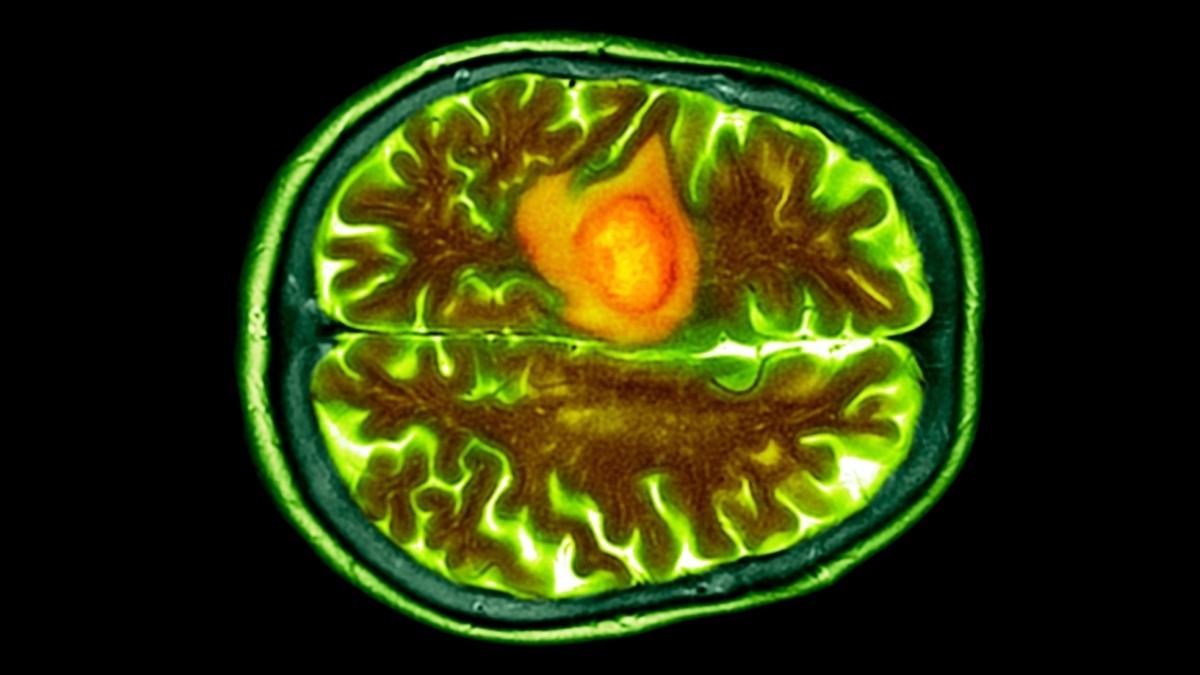
Glioblastoma tumors are notoriously difficult to treat. They grow rapidly, evade the body’s immune defenses, and form in areas of the brain that are hard to access with traditional therapies. The cancer causes swelling, compresses healthy brain tissue, and disrupts vital blood flow, leading to devastating neurological impairment. Only 6.9% of patients survive longer than five years after diagnosis, underscoring the urgent need for new treatment strategies.
Nanotechnology Breakthrough
The research team at Washington University, led by neuroscientist Akanksha Mahajan, circumvented these challenges by leveraging nanotechnology. They engineered STING-activating molecules – which stimulate interferon genes to alert the immune system to cancer’s presence – into stable spherical nucleic acids wrapped around gold nanoparticles. This delivery method ensures the drug remains intact long enough to reach the brain without invasive procedures.
Previous methods of activating the STING pathway relied on drugs that degraded quickly, requiring repeated and often dangerous administrations. The new approach avoids this by using the nose as a direct pathway along the nerves to the brain.
Promising Results in Animal Trials
Tests on mice with glioblastomas showed that the gold-mounted genetic instructions successfully activated the STING pathway, inhibiting tumor growth. When combined with other immune-boosting drugs, the treatment induced long-term immunity against glioblastoma in the animals. This suggests a potential for sustained remission, a rare outcome with current therapies.
Looking Ahead
While these findings are encouraging, researchers caution that human clinical trials are still years away. Cancer cells can evolve to evade the STING pathway, meaning this therapy may need to be combined with other approaches for maximum efficacy. However, the nasal drop delivery system represents a significant step forward in cancer immunotherapy, particularly for tumors that have historically been resistant to treatment.
“This redefines how cancer immunotherapy can be achieved in otherwise difficult-to-access tumors,” says neurosurgeon Alexander Stegh, highlighting the potential for this method to be adapted for other aggressive cancers as well.
The work is driven by personal urgency; Stegh was inspired by his grandmother’s battle with metastatic brain tumors, which led him to focus on the underlying genetics of brain cancer. The next step will be to scale up production and safety testing before beginning human trials.