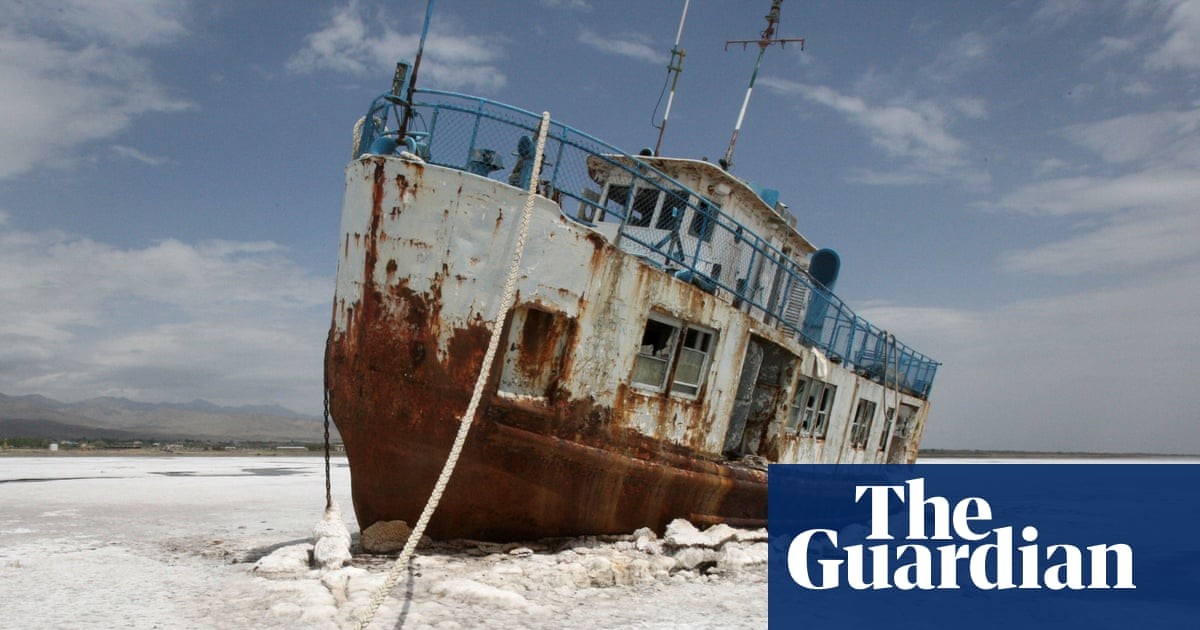
The United Nations recently issued a stark warning: the world has entered an era of “global water bankruptcy,” meaning many human water systems are beyond restoration to their previous states. This isn’t simply a matter of scarcity; it’s a systemic failure where demand consistently outstrips sustainable supply.
The Scale of the Problem
The situation isn’t uniform. Some regions face acute crises, while others are on the cusp. Iran, for example, is experiencing a severe water crisis, with reservoirs depleted and agricultural lands drying up. This is driven by a combination of climate change, poor water management, and political instability.
Experts like Professor Mohammad Shamsudduha of University College London explain that this crisis isn’t sudden. It’s the culmination of decades of unsustainable practices. Over-extraction, pollution, and inefficient infrastructure have all contributed. The current situation is particularly dire because the damage has reached a point where natural recovery is unlikely without drastic intervention.
What Does ‘Water Bankruptcy’ Mean?
“Water bankruptcy” implies that many existing systems cannot be returned to their former levels of functionality. This means:
- Reduced agricultural output: Water-intensive crops will become unsustainable in many regions.
- Increased conflict: Competition over dwindling resources will likely escalate tensions within and between nations.
- Mass displacement: Communities dependent on now-unavailable water sources will be forced to migrate.
- Economic disruption: Industries reliant on water (manufacturing, energy production, etc.) will suffer.
Why This Matters Now
The UN’s assessment is particularly alarming because it suggests that conventional solutions – such as improved irrigation or desalination – may not be enough. Some systems are so degraded that even massive investment won’t fully restore them. This raises fundamental questions about how societies adapt to permanent water scarcity.
The long-term implications are clear: the world must fundamentally rethink how it manages and distributes water. This includes shifting to water-efficient agriculture, investing in wastewater recycling, and addressing climate change. Failure to do so will result in widespread instability.
The crisis is not just environmental; it’s geopolitical, economic, and humanitarian. The future of water security is now at a critical turning point.