As of Saturday, January 10, 2025, the Moon is in its Third Quarter phase. This means that approximately 51% of the lunar surface is illuminated, presenting a striking half-lit appearance in the night sky.
What You Can See Tonight
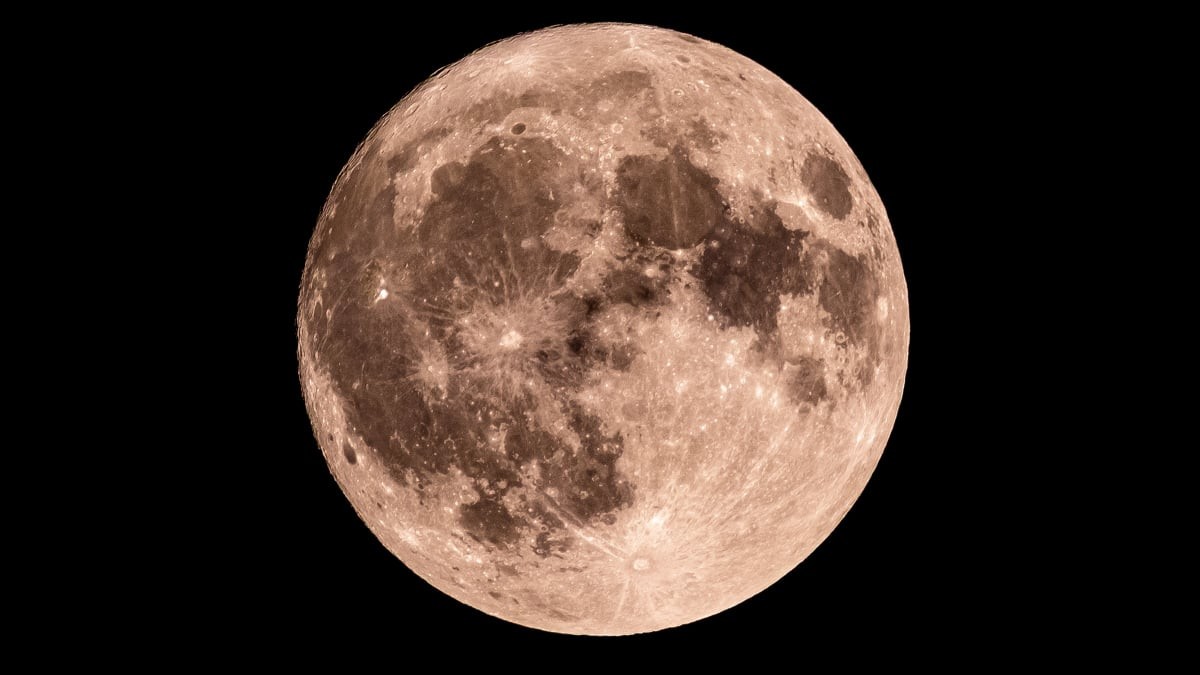
Even without equipment, several lunar features are visible to the naked eye: the expansive Mare Imbrium (“Sea of Rains”), the prominent Copernicus Crater, and the rugged Aristarchus Plateau.
Binoculars enhance the view, revealing the dark Grimaldi Basin, the complex Alphonsus Crater, and the smooth Mare Humorum. For those with telescopes, even more detail is accessible—including historical landmarks such as the Apollo 14 landing site and the dramatic Schiller Crater.
The Lunar Cycle Explained
The Moon completes a full orbit around Earth in roughly 29.5 days, a period known as the lunar cycle. Because the Moon is tidally locked with Earth, we always see the same side. However, the amount of sunlight striking that side changes as it orbits, creating the phases we observe.
The eight main phases are:
- New Moon: The Moon is between Earth and the Sun, making its visible side dark.
- Waxing Crescent: A thin sliver of light appears on the right side.
- First Quarter: Half of the Moon is lit on the right.
- Waxing Gibbous: More than half of the Moon is illuminated.
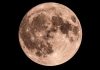
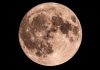
- Full Moon: The entire face of the Moon is bright.
- Waning Gibbous: Light begins to fade on the right side.
- Third Quarter (Last Quarter): Half of the Moon is lit on the left.
- Waning Crescent: A diminishing sliver of light remains on the left.
When to Expect the Next Full Moon
The next Full Moon will rise on February 1, 2025. The previous Full Moon occurred on January 3, marking the continuous progression of the lunar cycle.
Understanding these phases isn’t just about tracking celestial events—it’s about recognizing a fundamental rhythm of the solar system that influences tides, animal behavior, and even human history.