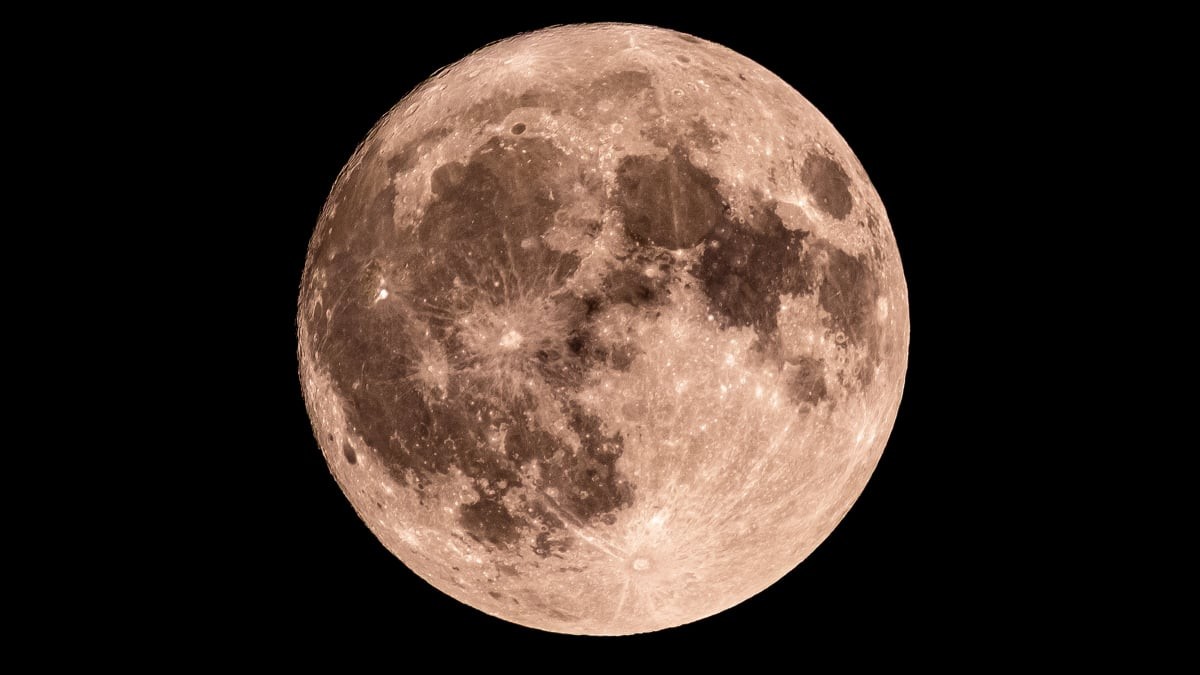
As of today, February 6, 2025, the Moon is in the Waning Gibbous phase, meaning approximately 80% of its surface is illuminated. This means you’ll see a nearly full Moon, gradually shrinking toward the Third Quarter.
Understanding the Phases
The Moon’s appearance changes predictably as it orbits Earth, cycling through eight distinct phases over roughly 29.5 days. This cycle is determined by how much sunlight is reflected off the Moon’s surface toward Earth. Though the same side of the Moon always faces us, the amount of that visible light changes, creating the phases we recognize.
Here’s a breakdown of each phase:
- New Moon: The Moon is between Earth and the Sun, appearing dark.
- Waxing Crescent: A sliver of light emerges on the right side (Northern Hemisphere).
- First Quarter: Half of the Moon is lit on the right.
- Waxing Gibbous: More than half is lit, approaching fullness.
- Full Moon: The entire face is illuminated.
- Waning Gibbous: Light begins to fade on the right side.
- Third Quarter (Last Quarter): Half the Moon is lit on the left.
- Waning Crescent: A final sliver of light remains on the left before disappearing again.
What You Can See Tonight
Even without specialized equipment, the Waning Gibbous phase offers clear views of lunar features. Look for the Mares Vaporum and Imbrium (dark, smooth lunar plains) and the Aristarchus Plateau. Binoculars will reveal craters like Clavius and Gassendi, while telescopes offer even greater detail, including the historical landing sites of Apollo 12 and Apollo 15.
When to Expect the Next Full Moon
The next Full Moon will occur on March 3, marking the peak of the lunar cycle before it begins to wane again.
The Moon’s phases are a constant, reliable rhythm in the night sky. Understanding these cycles allows anyone to appreciate the subtle but beautiful changes in our nearest celestial neighbor.