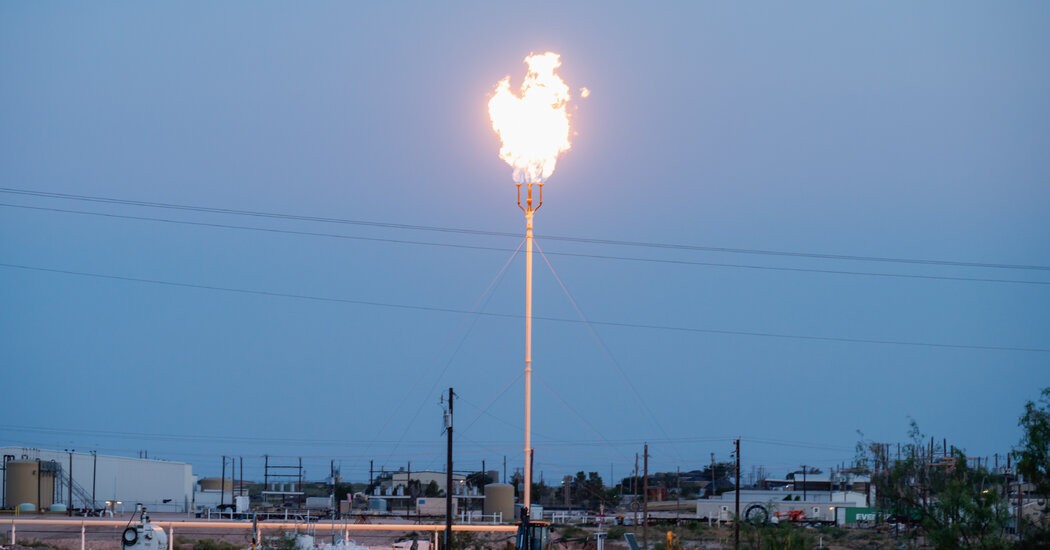
The Environmental Protection Agency (EPA) has delayed requirements for the oil and gas industry to reduce methane emissions, a potent greenhouse gas. The move effectively grants companies until January 2027 to comply with rules initially set by the Biden administration, and opens the possibility of complete repeal.
The Delay’s Impact on Climate Goals
This decision significantly weakens U.S. efforts to limit global warming. Methane is a particularly dangerous greenhouse gas because of its short-term impact: it traps roughly 80 times more heat than carbon dioxide over a 20-year period. Though it breaks down faster, its immediate warming potential is substantial. Roughly one-third of the temperature rise since the Industrial Revolution is attributable to methane.
The EPA’s action follows other climate-related rollbacks under the current administration, including a boycott of the recent United Nations climate summit—a first in the summit’s 30-year history—and ongoing attempts to eliminate federal authority to regulate greenhouse gases from vehicles and power plants.
Economic Considerations
EPA Administrator Lee Zeldin stated the delay would save oil and gas companies an estimated $750 million over the next 11 years by reducing compliance costs. This economic argument underpins the administration’s broader deregulation agenda.
The EPA’s pause on methane regulations represents a substantial setback for climate policy, potentially accelerating global warming and undermining international efforts to address the crisis. The long-term consequences of this decision remain to be seen.