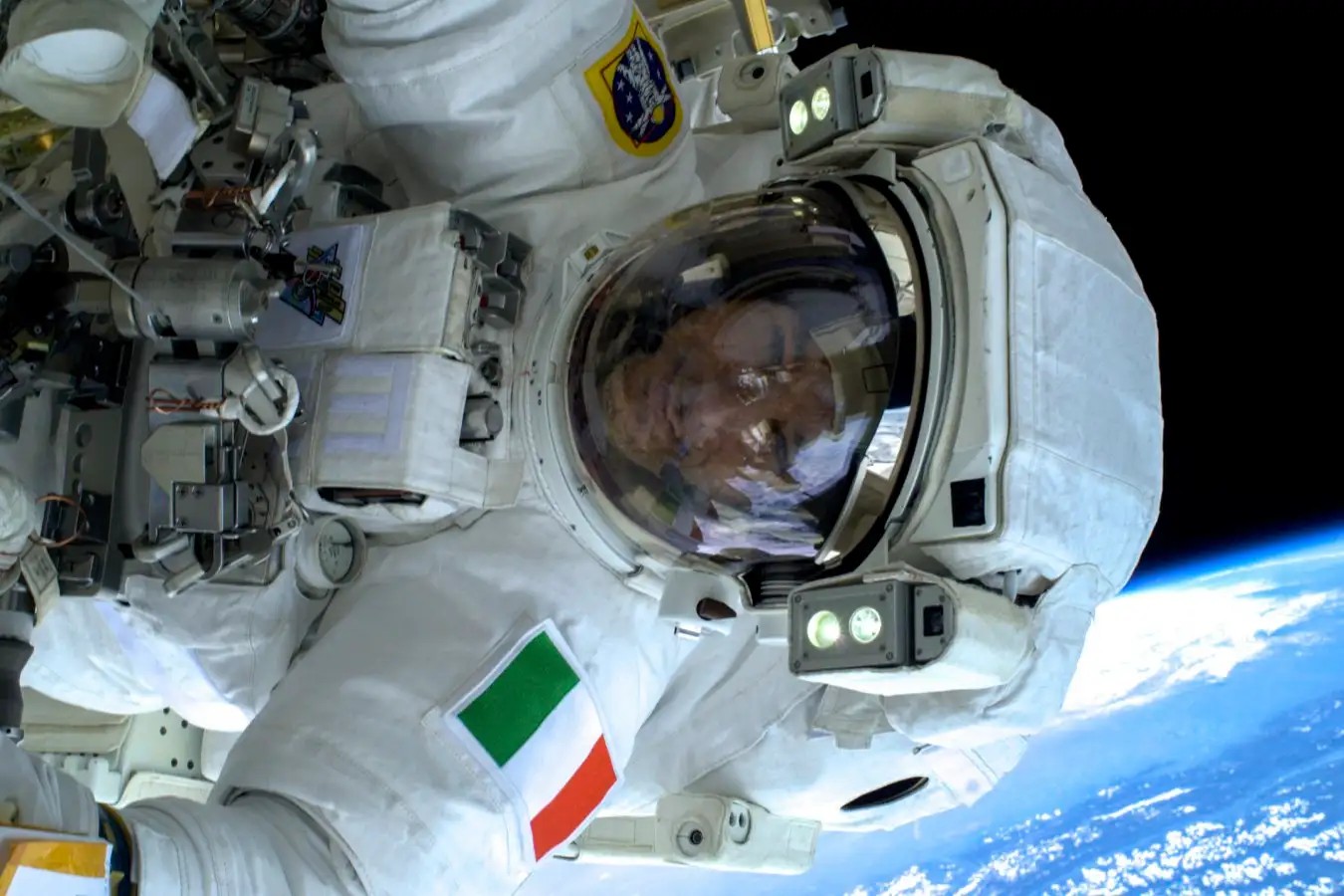
An astronaut recounts a harrowing experience during a spacewalk where their helmet filled with water, nearly causing suffocation in the vacuum of space. The incident, which occurred in July 2013, highlights the extreme risks inherent in extravehicular activity (EVA) and the critical importance of emergency protocols.
The Silent Threat of Water in Space
The astronaut describes the sudden sensation of cold water accumulating in their helmet, first on the back of their head, then rapidly spreading across their face and into their nostrils. In the weightlessness of space, water doesn’t behave as it does on Earth; capillary action accelerates its spread, quickly obscuring vision and blocking airways. The astronaut immediately reported the leak to mission control, maintaining a calm demeanor while privately assessing the limited time remaining before the water reached their mouth.
The psychological impact was compounded by the loss of situational awareness. The small size of the helmet, designed for practicality rather than cinematic spectacle, left minimal space for water accumulation. As the water filled the cavity, it distorted vision, muffled sound, and cut off communication with ground control.
The Three-Dimensional Reality of Space
The incident occurred during a spacewalk where the astronaut was repositioned via a robotic arm. The disorienting lack of reference points – Earth and the space station both behind them – induced a unique perception of three-dimensional space. The astronaut described the universe as a “sponge-like tissue of bubbles or voids” filled with massive light sources. This sensation, never fully replicated since, underscores the profound psychological impact of isolation in the void.
Controlled Response Under Pressure
Despite the critical situation, the astronaut adhered to emergency procedures drilled into them during years of training as a pilot and fighter pilot: maintain control, analyze the situation, and take proper action. This meant navigating back to the airlock using external handles, despite the resistance of the pressurized spacesuit. The suit’s pressure makes even simple movements exhausting, turning the act of gripping a handle into a grueling physical effort.
The return to the airlock took approximately seven minutes, during which communication with ground control was lost. Remarkably, the astronaut’s heart rate remained stable, masking the severity of the situation from observers on Earth.
Operational Lessons Learned
The leak was traced to a blocked filter, prompting immediate changes in pre-spacewalk inspection protocols. A snorkel was added to future spacesuits, providing an emergency air supply from the suit’s body chamber should helmets fill with water. The incident serves as a stark reminder of the unforgiving environment of space and the constant need for vigilance.
The astronaut concludes by emphasizing that while the work of astronauts is extraordinary, it is not the result of exceptional individuals but rather the product of rigorous training and adherence to well-defined procedures.
The incident is never going to happen again. That’s the silver lining.