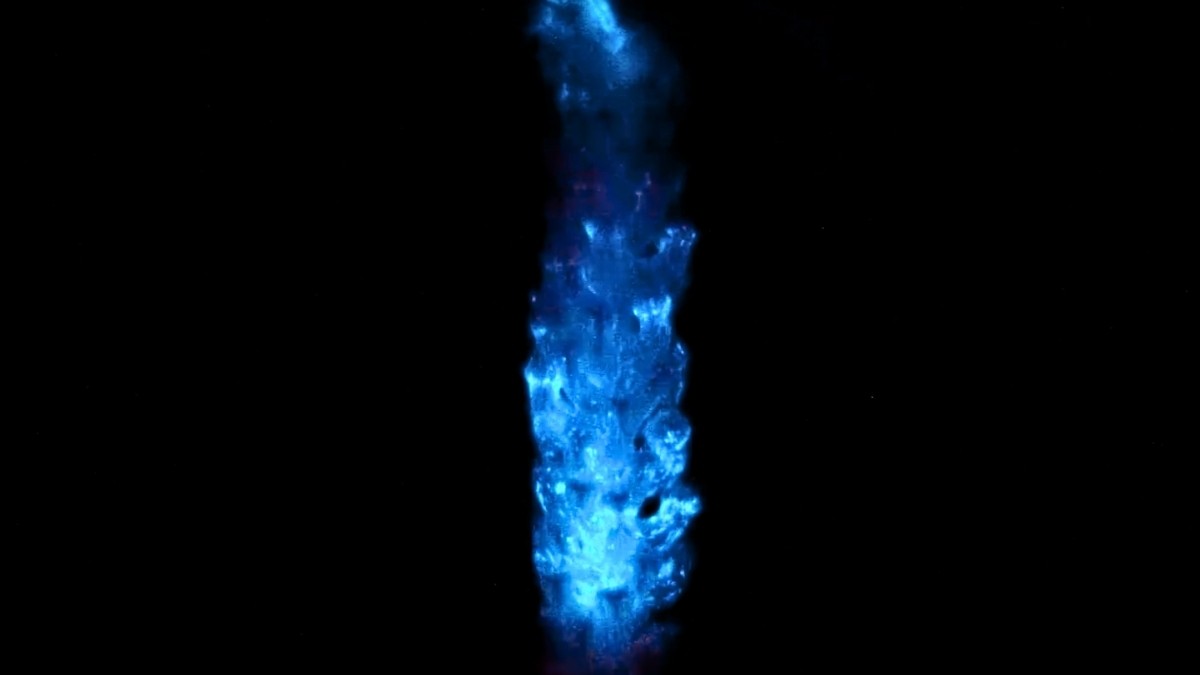
Bioluminescence – the ability to produce light – is far older than previously believed, with origins tracing back to at least 540 million years ago. A new study published in Proceedings of the Royal Society B Biological Sciences has pinpointed the earliest known emergence of this phenomenon in a group of ancient corals called Octocorallia. This discovery pushes back the timeline by over 300 million years, challenging previous estimates based on more recent species.
The Deep Roots of Natural Light
For centuries, bioluminescence has captivated scientists and the public alike. From fireflies to deep-sea creatures, the ability to generate light has evolved independently across numerous organisms – at least 94 times by current estimates. This suggests a powerful evolutionary advantage, though the exact reasons remain debated.
The study focused on Octocorallia, soft-bodied corals distinguished by their eightfold symmetry. Researchers analyzed genetic data from 185 coral species, combined with field observations of bioluminescent corals collected from the ocean floor. Using a technique called ancestral state reconstruction, they traced the trait back to the common ancestor of all octocorals during the Cambrian period.
Why This Matters: A Cambrian Arms Race?
The Cambrian explosion was a pivotal moment in evolutionary history, with rapid diversification of life. The simultaneous emergence of bioluminescence and early eyes in marine invertebrates suggests a possible co-evolutionary relationship. Light production likely served as a signaling mechanism, either attracting prey, deterring predators, or facilitating communication in the dark depths.
However, the study also raises a curious question: if bioluminescence was present in the earliest octocoral ancestor, why is it so rare in modern species? Scientists hypothesize that many lineages may have lost the ability over time, potentially due to changing environmental pressures or alternative survival strategies.
The Future of Bioluminescence Research
The findings underscore the importance of studying ancient organisms to understand the origins of complex traits. Further research will focus on unraveling the ecological drivers behind the loss of bioluminescence in certain coral groups. This may reveal clues about the selective pressures that shaped life in the Cambrian ocean and beyond.
Ultimately, this study serves as a reminder that even the most seemingly mysterious biological phenomena have deep roots in Earth’s history. The glow of bioluminescence is not merely a spectacle; it’s a testament to over half a billion years of evolution.