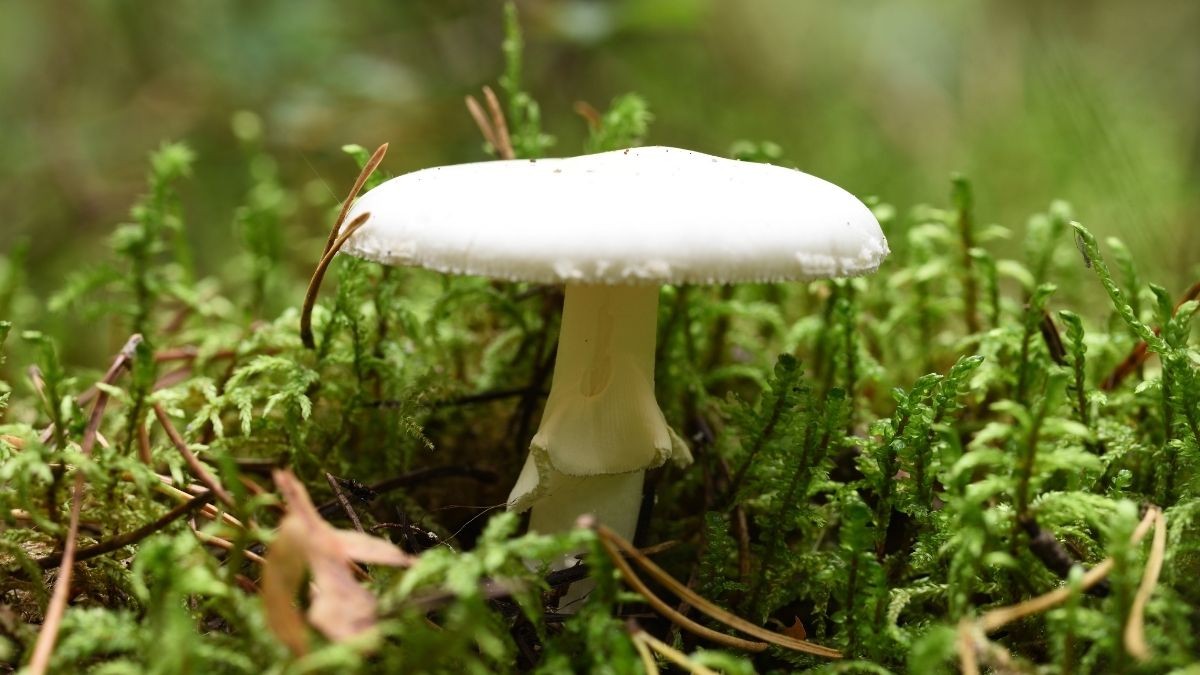
The highly poisonous death cap mushroom (Amanita phalloides ) is not only spreading globally but also rapidly evolving new chemical compounds in its invasive populations, particularly in California. This evolution raises concerns about the fungus’s increasing toxicity and its impact on ecosystems.
The Deadly Nature of Amanita phalloides
The death cap is responsible for approximately 90% of mushroom-related fatalities worldwide. Consuming even a small portion of this mushroom can be lethal due to potent toxins that damage the liver and kidneys. While native to Europe, the fungus has expanded its range to include North and South America, Africa, and Australia. The recent evolution observed in Californian death caps suggests an accelerated adaptation to new environments.
Genetic Versatility and Rapid Adaptation
Research from the University of Wisconsin-Madison (UW-Madison) reveals that death caps in California produce different chemical compounds compared to those in their native range. This confirms that A. phalloides is genetically adaptable and can quickly alter its toxin production based on habitat. Cecelia Stokes, a mycologist at UW-Madison, notes that the fungus is appearing in abnormally dense clusters – more than 40 mushrooms under a single tree – indicating an aggressive expansion pattern.
How the Mushroom Evolves Its Poison
Earlier studies by Pringle’s team identified MSDIN genes as critical for the mushroom’s poison production. These genes dictate how the fungus synthesizes toxic compounds from scratch, tweaking enzymes and ingredients to create lethal secondary metabolites. The new research shows that Californian death caps can now produce these metabolites without a previously essential amino acid sequence called a “leader sequence.”
Implications of Leaderless Toxins
The absence of the leader sequence is unusual. Researchers found that these “leaderless peptides” are expressed at significantly higher levels in Californian death caps compared to their European counterparts. While the exact implications are unknown, scientists suspect this could enhance the fungus’s invasive capabilities, influencing how it interacts with new ecosystems.
This evolution highlights how quickly invasive species can adapt and potentially destabilize local environments. Further research is needed to understand the full extent of these changes.
The rapid evolution of Amanita phalloides underscores the need for ongoing monitoring and study. The fungus’s ability to adapt at such a pace poses a growing threat to both human health and the balance of affected ecosystems.