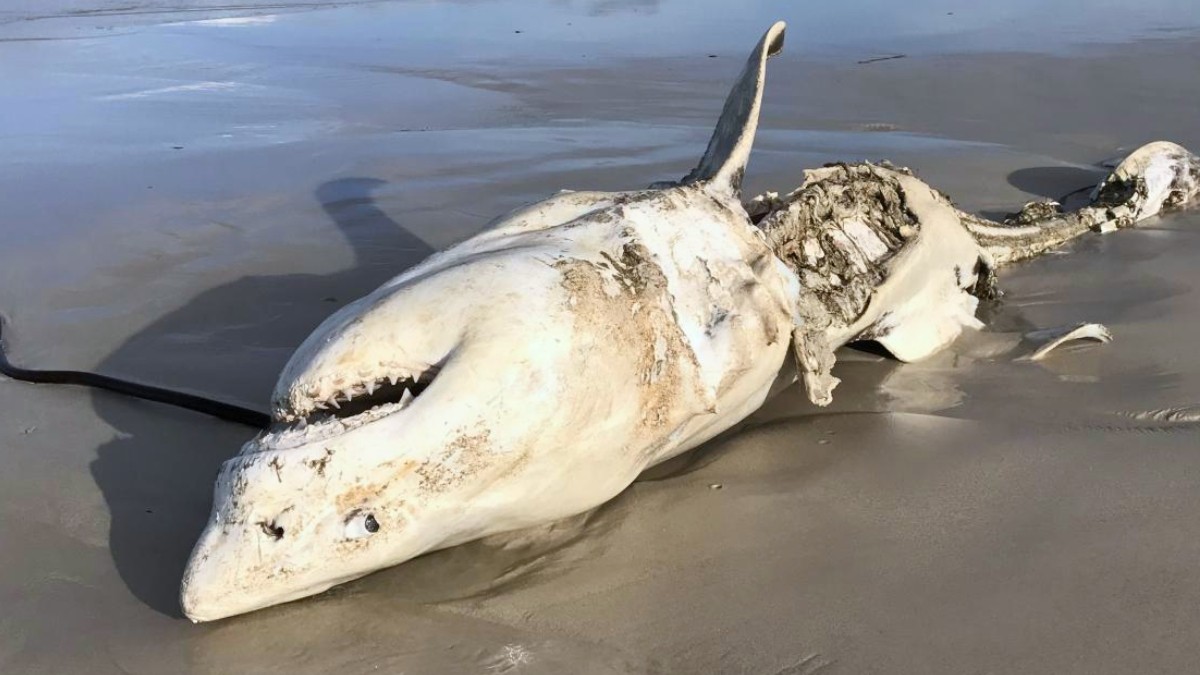
The ocean’s apex predator, the great white shark, is being systematically displaced from its hunting grounds by a highly efficient and targeted predator: orcas. For years, the mysterious disappearance of great whites from the South African coast puzzled scientists. The initial assumption of human interference — overfishing or other disruptive activities — proved incorrect. The true cause, confirmed by detailed studies, is a pair of orcas, nicknamed “Port” and “Starboard,” who are actively hunting and killing great whites for their nutrient-rich livers.
The Orca Threat: A New Apex Predator Emerges
Since 2017, researchers have documented an unprecedented shift in great white behavior. These sharks, once abundant in areas like Gansbaai, South Africa (known as the “great white shark capital of the world”), are now consistently avoiding waters frequented by Port and Starboard. The orcas’ hunting method is brutal and effective: they kill the sharks, often removing their livers and sometimes even their hearts. Multiple carcasses have washed ashore missing these organs, confirming the attacks.
The pair’s impact extends beyond great whites; they’ve also decimated populations of broadnose sevengill sharks, killing at least 17 in a single day. This aggressive predation has forced white sharks into prolonged absences from their traditional feeding grounds, an occurrence never before seen at this scale.
Ecosystem Disruption: A Cascade Effect
The absence of great whites isn’t just a shark problem. The removal of a top predator triggers a ripple effect throughout the marine ecosystem. Copper sharks, typically preyed upon by great whites, are now moving into the vacated niche, becoming targets for Port and Starboard themselves. This disruption extends to other species, including Cape fur seals and African penguins, whose populations could be negatively affected by the altered predator-prey dynamics.
“Although this is a hypothesis for now, there is only so much pressure an ecosystem can take, and the impacts of orcas removing sharks are likely far-reaching.” — Alison Towner, Marine Biologist, Dyer Island Conservation Trust.
The orcas’ targeting of shark livers is particularly noteworthy. These organs are packed with fats and oils that sharks use for long-distance migrations. The reason behind this targeted predation remains unclear, though it may be linked to the orcas adapting to declining numbers of their usual prey or simply discovering a highly nutritious food source.
Long-Term Implications and Future Research
The documented avoidance behavior of great whites in response to orcas mirrors similar responses observed in other predator-prey relationships, such as lions and wild dogs in the African Serengeti. Scientists are tracking the movements of tagged sharks to better understand the long-term impact of this new predation dynamic.
The implications are significant: declining great white populations worldwide, coupled with the added pressure from these skilled orca hunters, raise serious concerns about the species’ future. Increased monitoring, including citizen science initiatives and continued tracking studies, is crucial to understanding the full extent of this ecological shift.
The emergence of orcas as a dominant predator against great whites represents a dramatic shift in the marine food web. The long-term consequences for the ecosystem remain uncertain, but the data clearly show that the reign of the great white shark is, at least in certain regions, being challenged by a more formidable adversary.