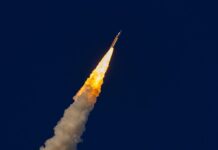
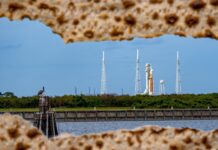
The Artemis II mission has successfully launched, marking a pivotal moment in space exploration as the first crewed mission to lunar orbit in over half a century. On April 1st, NASA’s Space Launch System (SLS) rocket and Orion capsule lifted off from Kennedy Space Center in Florida at 6:35 p.m. EDT, carrying Commander Reid Wiseman, pilot Victor Glover, mission specialist Christina Koch, and mission specialist Jeremy Hansen on a ten-day journey around the far side of the moon.
Historic Firsts and Delayed Progress
This mission isn’t just a return to the moon; it’s a series of firsts. Christina Koch will be the first woman to venture beyond low Earth orbit, and Victor Glover is set to become the first Black astronaut to reach the lunar environment. Jeremy Hansen, representing the Canadian Space Agency, will be the first non-American to visit the moon, while Reid Wiseman will be the oldest astronaut to complete the journey, at 50 years old.
The launch comes after months of challenges, including hydrogen leaks and helium flow issues that required urgent repairs. These setbacks underscore the complexity of modern spaceflight and the rigorous testing needed before manned missions. Despite these hurdles, the countdown proceeded smoothly, with over 700,000 gallons of super-cold liquid oxygen and liquid hydrogen fueling the SLS without major incident.
Overcoming Technical Hurdles
The mission’s success hinged on resolving a last-minute issue with the Flight Termination System (FTS), which is designed to destruct the rocket if it veers off course. Engineers ingeniously utilized “heritage equipment” from the Space Shuttle Program to restore functionality. This demonstrates NASA’s capacity to adapt and improvise when faced with critical technical problems.
Beyond the Launch: What Matters
The Artemis II mission is critical for several reasons. First, it’s a vital step in NASA’s plan to return astronauts to the lunar surface in 2028 or later. Second, the ten-day flight will provide invaluable data on the effects of deep space travel on the human body, a key concern for future long-duration missions. Finally, the mission tests the SLS and Orion systems in real-world conditions, ensuring they meet the demands of more ambitious lunar programs.
NASA is providing full live coverage of the Artemis II mission, including astronaut interviews and daily mission briefings, offering the public direct access to this historic endeavor.
The Artemis II mission is not just about going back to the moon; it’s about preparing for a sustainable future in space. The data collected will inform future lunar surface missions and pave the way for deeper space exploration.