NASA is on track to launch Artemis 2, the first crewed mission to the moon in over 50 years, with a planned liftoff on April 1st. The 10-day mission will send four astronauts – Reid Wiseman, Victor Glover, Christina Koch (all NASA), and Jeremy Hansen of the Canadian Space Agency – on a lunar flyby, marking a major step forward in space exploration. This mission is not just a repeat of Apollo; it represents the beginning of a new era of sustained lunar presence and potential future missions to Mars.
Artemis 2: What You Need to Know
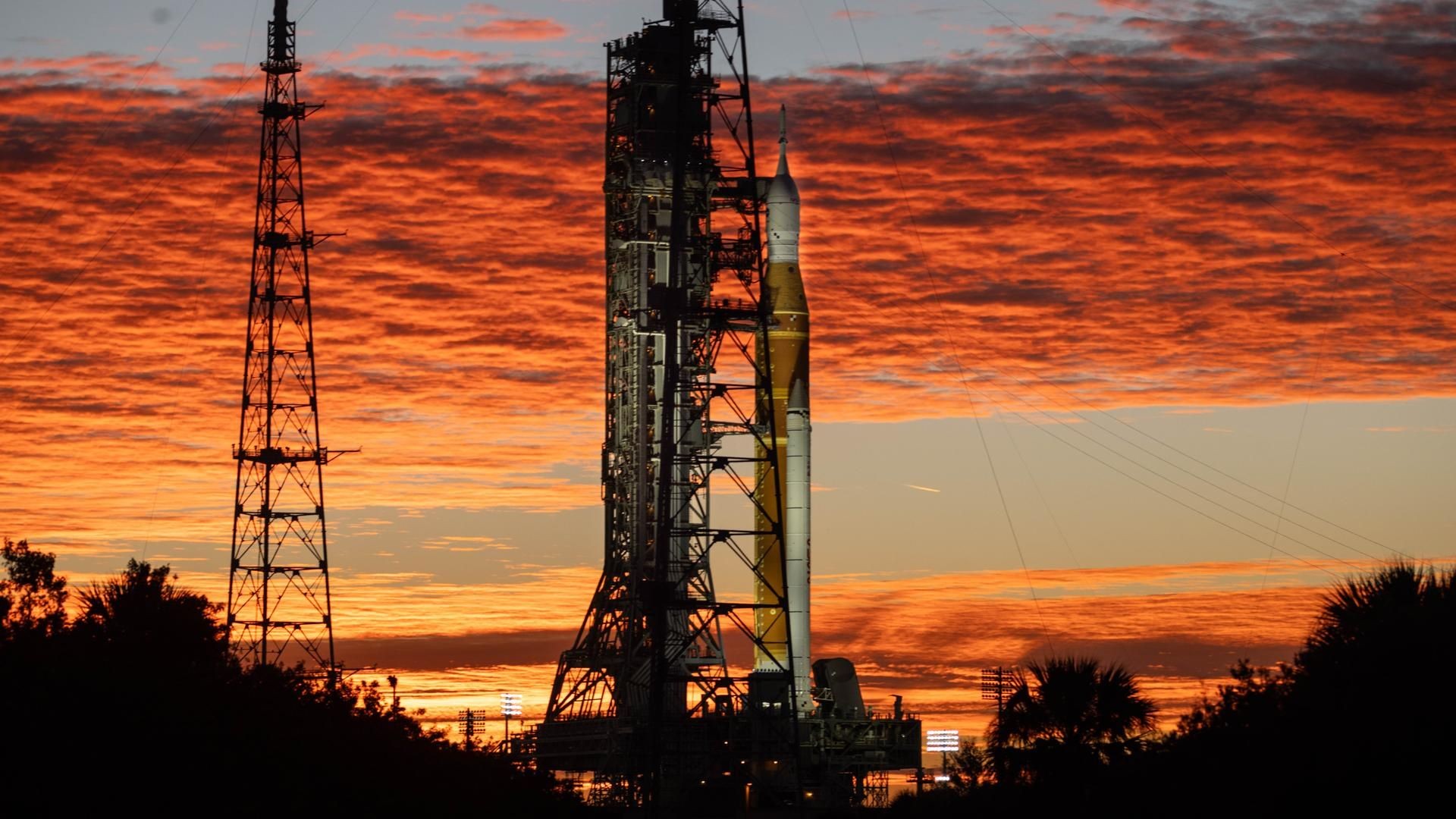
The Artemis 2 stack – the Space Launch System (SLS) rocket and Orion capsule – is currently at Launch Complex 39B at the Kennedy Space Center in Florida. It arrived there on March 20th after a slow, 4-mile roll from the Vehicle Assembly Building (VAB) atop the massive crawler-transporter 2. This is the second time the stack has been moved to the pad; initial launch attempts were delayed due to technical issues.
Overcoming Technical Challenges
The road to April 1st hasn’t been smooth. Earlier launch targets in February were postponed after engineers detected a hydrogen leak during a “wet dress rehearsal” – a full-scale launch simulation. The leak was repaired, but another issue arose: an interruption in the helium flow to the SLS’s upper stage. This required the stack to return to the VAB for fixes, a significant setback.
NASA has stated it won’t conduct another wet dress rehearsal, meaning fewer pre-flight checks this time. However, a crewed mission demands extreme caution. Any unexpected problem could still delay the launch, as human safety remains the top priority.
Why This Matters
Artemis 2 is more than just a technical achievement; it’s a demonstration of renewed commitment to deep-space exploration. Since Apollo 17 in 1972, no humans have ventured beyond low Earth orbit. Artemis aims to change that, establishing a long-term presence on and around the moon as a stepping stone for future missions to Mars.
The success of Artemis 2 is critical for maintaining momentum in space exploration and inspiring a new generation of scientists and engineers.
The mission will test the SLS rocket and Orion capsule under real-world conditions, providing valuable data for future Artemis missions. If successful, Artemis 2 will pave the way for Artemis 3, which plans to land astronauts on the lunar surface by 2026.