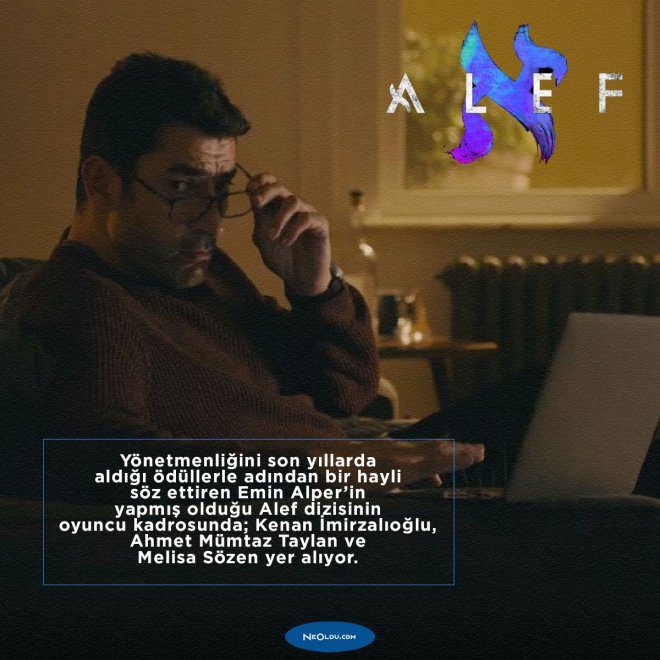
Blu TV just dropped Alef, and the internet is already buzzing. This isn’t your standard procedural. It’s the first mystical police series from Turkey, blending hard-boiled detective work with elements that defy logic. The cast is legendary. Kenan İmirzalıoğlu and Ahmet Mümtaz Taylan lead the charge, backed by Melisa Sözen.
But why does it matter? Because it’s different. Online platforms are hungry for Turkish drama that pushes boundaries. Alef delivers.
The Director’s Vision
Emin Alper is behind the camera. He’s been collecting awards lately. His name carries weight now. You can feel the ambition in every frame. This isn’t a casual project for him. It’s a statement.
The chemistry between İmirzalıoğlu and Taylan is the engine. One brings grit. The other brings mystery. Sözen adds depth. You don’t need a PhD in film theory to get that this cast is stacked.
What Makes It “Mystical”?
That’s the question everyone’s typing into Google. How do you mix police work with the supernatural without it feeling cheesy? Alper seems to have found a balance. The story doesn’t explain everything upfront. It lingers in the shadows. You watch to see how the pieces fit, even if the board is rigged.
The series taps into a niche. Mystical police dramas are rare here. Most shows stick to what’s safe. Alef isn’t playing safe. It’s inviting you into the unknown. And honestly? That’s refreshing.
Is it perfect? Maybe not. But it’s bold. And in a landscape of copycats, bold is the only thing worth watching.
Turkey’s first mystery police drama: insights into Alaturka Noir from Emin Alper’s series
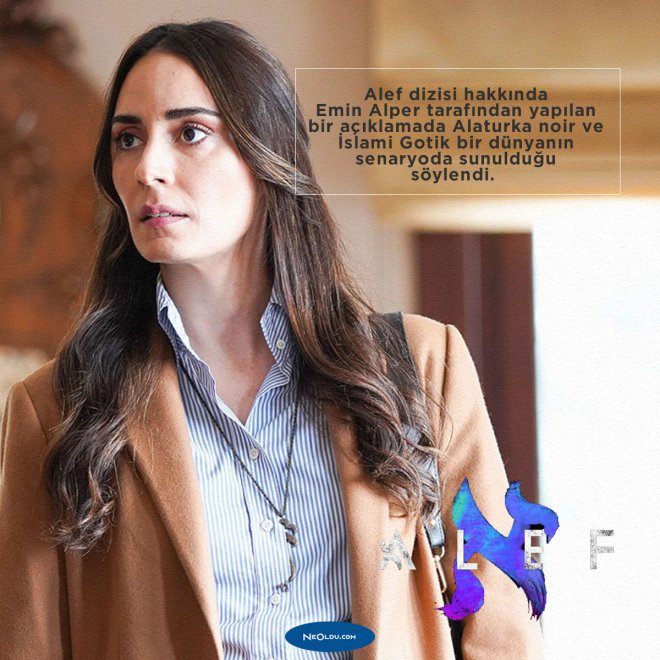
The boundaries of the genre blur and the result is a show that defies easy classification. According to director Emin Alper, the script doesn’t just hint at a mystery; it builds an entire world defined by “Alaturka noir” and Islamic Gothic**. These are not just marketing buzzwords. They depict a particular atmospheric texture – one where the urban nature of Turkey meets the dark, spiritual weight of a religious Gothic aesthetic.
When the show finally aired, the audience was not treated to the usual procedures. Instead, they saw mystical events and symbolic images woven directly into the investigation. A missing person is not just a file; It is a window into something older, something darker.
“The script introduces Alaturka noir and the Islamic gothic world.” – Emin Alper
This deliberate mix of the supernatural and the investigative eventually gives the series its name. It is considered Turkey’s first mystery police drama. Combining the hard-boiled elements of noir with the dark, unseen forces of the Islamic gothic tradition, the series has left a new mark on Turkish television.
The question is not only who committed the crime, but also what forces are pulling the strings from beyond the veil. It’s a transition from simple crime stories to more complex, haunting inquiry. And for pop culture fans who crave something that pushes the envelope, that risk is worth it. The fog has cleared, but what lies beneath is only getting clearer.
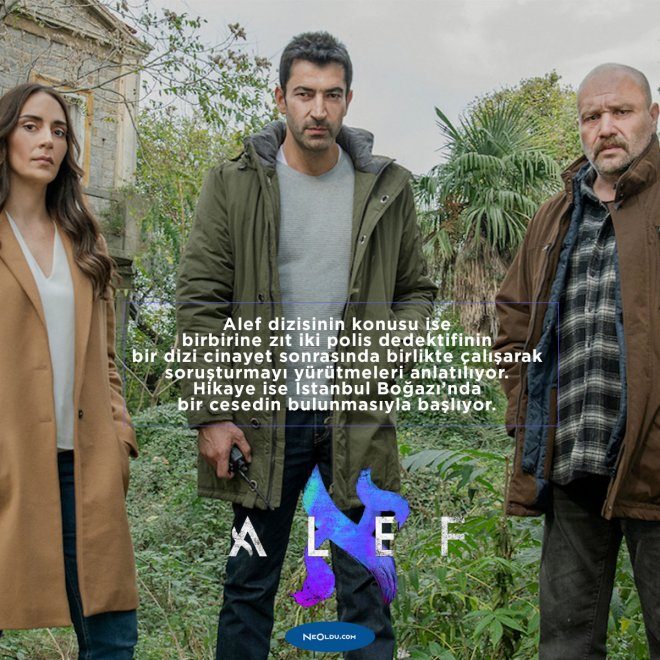
The dynamic duo behind “Alef”.
The series “Alef” is strongly based on buddy-cop trope, but with a unique Turkish touch. The series focuses on the story of two very different detectives. Opposites attract, or in this case collide, until a series of murders forces them to join forces. This is a lineup designed to create friction and ultimately respect.
The story begins in the Bosphorus, a high-stakes and visually impressive location. The inciting incident? The body was found in the waters that divide Istanbul into two continents. This disturbing discovery draws the mismatched partners deeper into the investigation, where their conflicting approaches threaten to become both an obstacle and a necessary tool in solving the case.
The dynamic changes dramatically when the professional chaos of the investigation meets personal turmoil. Settar and Kemal are not only unequal; They are walking disasters. Both men struggle with important issues in their personal lives, but fate – or the department head – forces them into the same murder investigation.
They are opposites. One brings one style to the badge; the other brings its complete contradiction. Forcing them to cooperate in a murder case is not only difficult; it’s a recipe for friction. But the instability doesn’t end with the two detectives.
Enter Yaşar, played by Melisa Sözen. He’s not a detective. He is a university lecturer. Nevertheless, he has conquered. Suddenly, the duo must lead a murder investigation and also navigate the presence of a third wheel that doesn’t fit the usual police mold.
An unlikely triangle
Why add a civilian to a violent crime scene? This is the mystery that drives the plot. Yaşar’s role disrupts the established tension between Settar and Kemal.
It creates a three-way dynamic where:
– Settar and Kemal must find a sliver of cooperation despite their conflicting personalities.
– Yaşar introduces an intellectual, perhaps academic perspective on gritty police work.
– All three have to rely on each other, regardless of their personal grievances.
The result is a workplace comedy-drama where the “odd couple” turns into an “odd trio”. You’re not just watching two cops hate each other;
You watch as they try to solve the murder while a university teacher observes, criticizes and maybe helps.
Does this trio actually work? Or will the pressure of the case tear them apart before they find the killer?
Disclosure
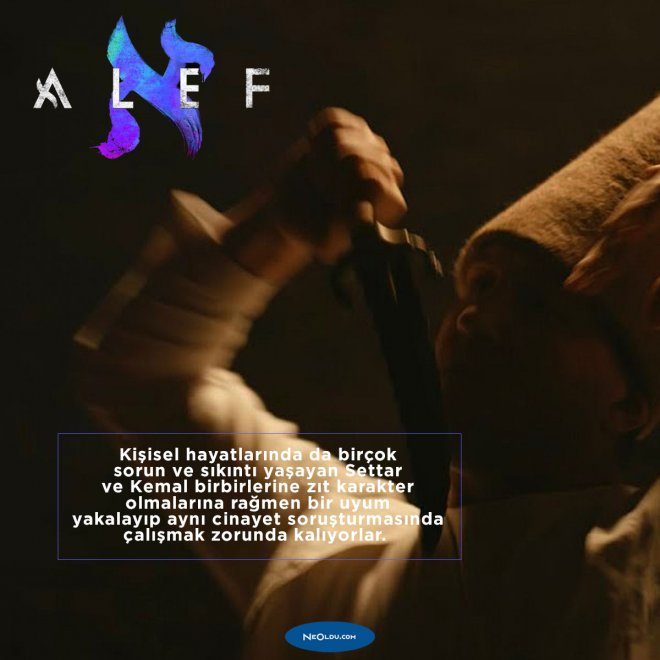
The kill list was no accident. It was a ritual. When the group finally lifted the curtain on the killer’s methods, the truth continued to be revealed to this day. It was dug up.
Deep inside.
What they uncovered was not just motive or madness. It was history. There were hints of mysteries that predated today’s crime by centuries. Ancient races. Bloodlines. Patterns buried under the layers of time, which are now resurfacing.
The timeline has shifted. Suddenly, the victims were no longer just individuals. They were nodes in a much older, much darker web.
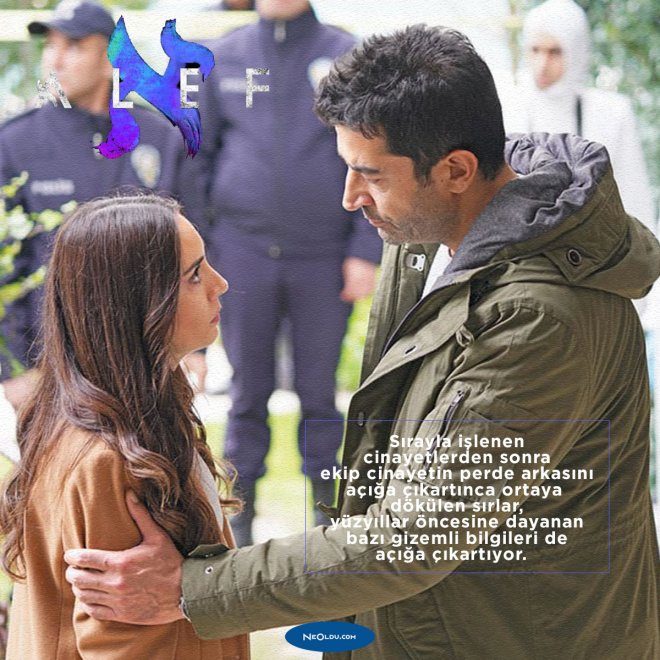
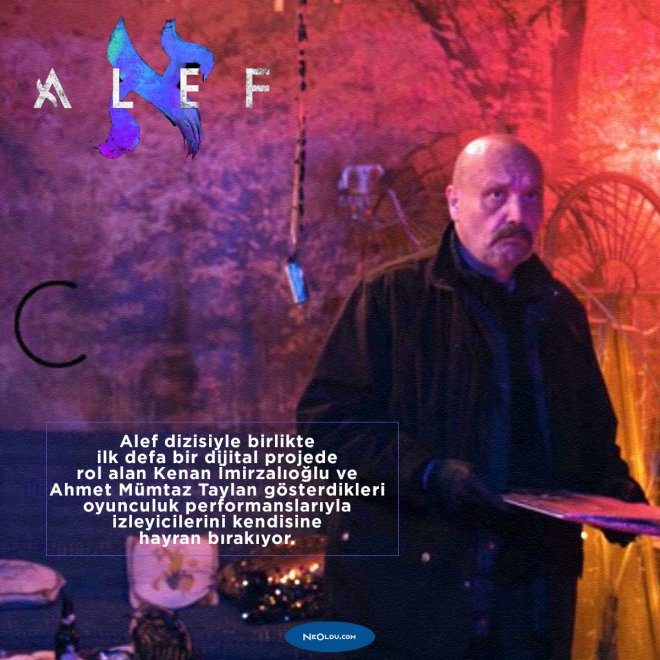
For the first time, the two heavyweights of Turkish cinema share the screen in a digital series, and the chemistry is undeniable. Kenan Imirzalioglu and Ahmet Mutaz Taylan deliver performances that demand attention. Seeing these two titans together is not just a viewing experience; It’s a rare privilege.
A rare pairing in streaming
Known for his commanding presence and nuanced drama, Imirzalioglu brings a special gravitas to the role grounding the story. Taylan, often an emotional anchor in his projects, combines this intensity with a calm, penetrating realism. Their collaboration marks a significant shift in the way top film talent is harnessed for digital content.
Seeing these two giants of Turkish cinema together on a digital platform feels like winning the cultural lottery.
The synergy between them elevates the material. It’s not just star power; It’s about how their different acting styles clash and complement each other. For fans who have followed their careers separately, watching them interact on this new platform will provide a new perspective on their range. It’s a reminder that great acting transcends the medium.
Kemal’s return: British education with a Turkish twist
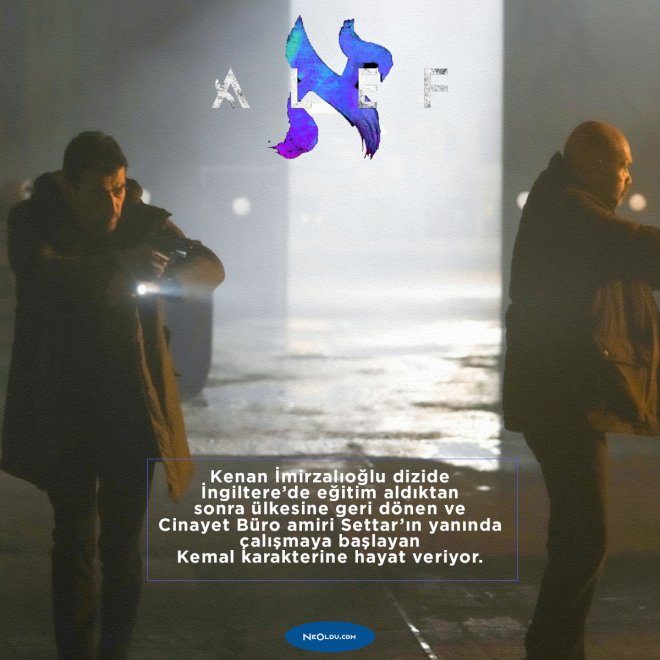
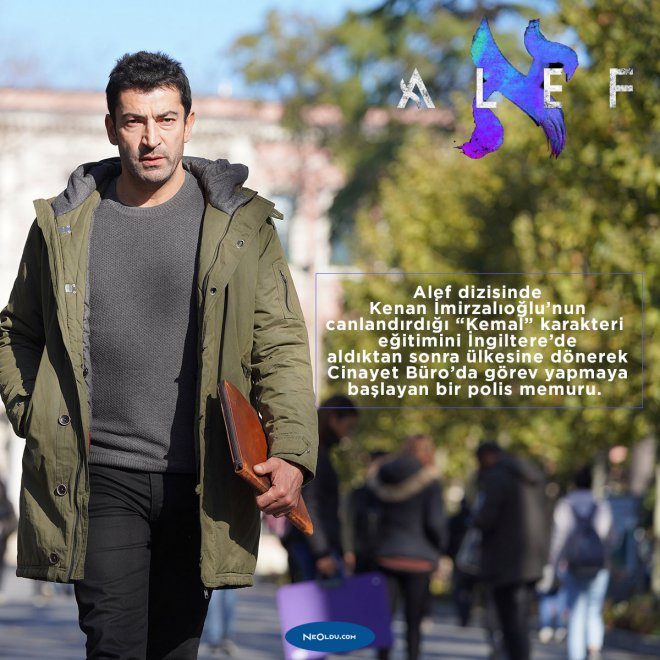
Kenan İmirzalıoğlu takes on the role of Kemal, a character characterized by international travel. The background is special: he studied in Britain before making a conscious decision to return home. This phase is not just about geography; it’s about power.
He ends up next to the head of the Murder Bureau, Settar.
Why does this dynamic work? It contrasts a cosmopolitan, perhaps more methodical intellect with the gritty reality of domestic detective work. İmirzalıoğlu brings this weight to the screen. You can see the tension in how Kemal positions himself. He’s not just another cop. He is someone who has seen the world and returned to the source of crime.
“He returned to his country to work under Settar, head of the Murder Bureau.”
The chemistry between these two makes the series. You see a clash of different styles, not just personalities. Kemal’s British education informs his approach. Settar’s experience supports this. It’s a classic lineup, but with a distinct local flavor that keeps the stakes high.
A veteran behind the badge
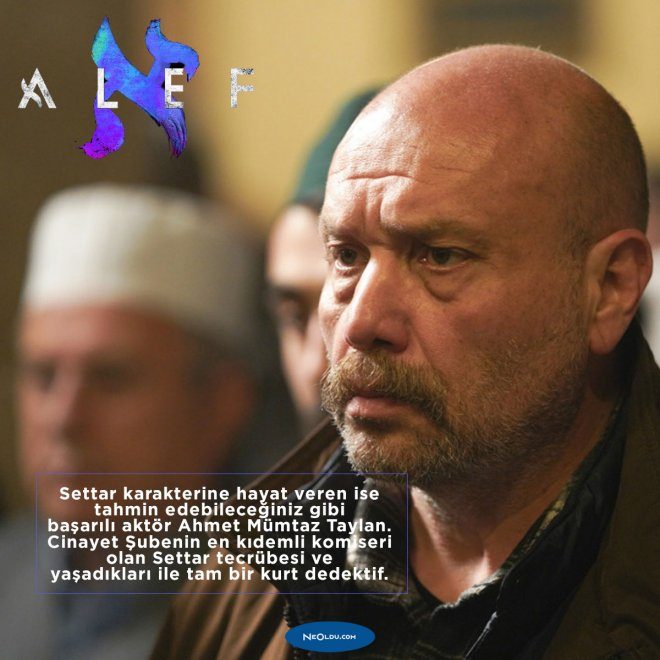
You can probably guess who is behind Settar’s eyes: acclaimed actor Ahmet Mümtaz Taylan. He doesn’t just act the part; he embodies its weight.
As the senior-most detective in the Murder Department, Settar is no rookie fresh out of the academy. He is a Kurt Detective – a term that means wolf-like instinct, experience and a bit of danger. Taylan brings to the role a lifetime of on-screen crimes and off-screen grit.
“Experience isn’t just a word for Settar, it’s his weapon.”
The character relies on more than just procedure. His story, his scars and the cases he couldn’t solve define him. Taylan can convey that fatigue and sharpness with one look. It’s the kind of performance that makes you believe this man has seen every shade of human darkness.
Invisible hours behind a perfect picture
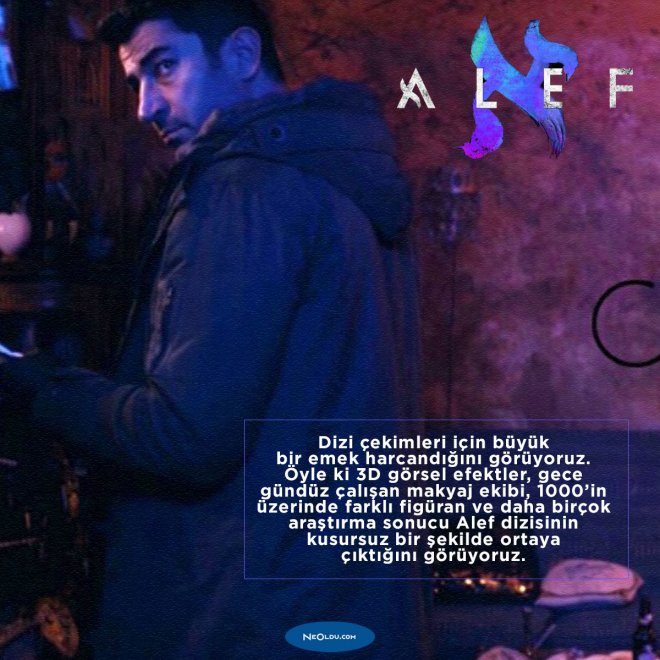
The production value is not only high; it’s tiring. We are talking about the amount of work that bleeds off the screen and into the production logs. Result? Alef wasn’t just good looking. It felt flawless.
How did they do it? It wasn’t magic. It was sweat, pixels and pure labor. The team relied heavily on complex 3D visual effects to create worlds that didn’t exist. These were not done in the afternoon. They were layered, tested and refined until they were just right.
Then there is the human element. The makeup department didn’t clock out. They worked day and night, retouching faces in hot lights and freezing temperatures, making sure every scar, drop of sweat, and pallor was correctly identified on camera. One slip in continuity and the illusion collapses. They didn’t let it break.
And the scale? Massive. More than 1,000 different extras were cycled through the sets. Imagine coordinating so many people. This is not background noise; that’s an army. Each figure was placed with intention. Each movement calculated.
The difference between good and great is often in the details that no one notices.
Behind every seamless shot of Alef is a trail of research, late nights and a refusal to compromise. It’s a reminder that the perfection seen on screen was probably paid for in unseen hours.
Mystique meets police procedure
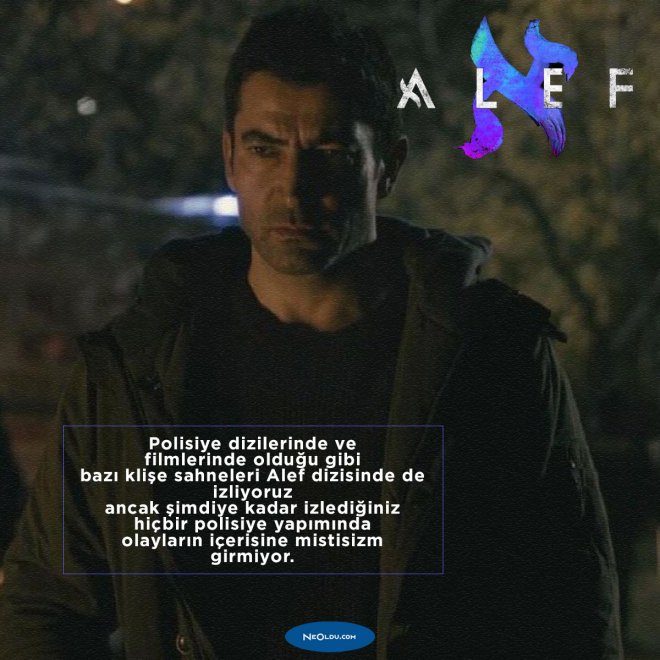
You might find a usual tropes. The interrogation room stare-down. Dramatic revelation. These clichés are just as present in Alef as they are in regular crime dramas and movies. But it’s a twist you won’t find anywhere else.
Mysticism.
This is more than just a backdrop. This is part of the fabric of the investigation. In other cop dramas you’ve seen, the rules were strict. Logic prevails. The evidence is physical. In Alef the line between the rational and the supernatural blurs until it disappears.
That’s what makes this show stand out. There is nothing negative about this. There are no holes in the plot. There is no such thing as sloppy writing. It’s perfect. The production values are amazing and the cinematography requires you to watch it on the largest possible screen. But it’s the acting that ultimately seals the deal.
Acting is nothing but spectacular, combining surreal elements and raw human emotions.
Each actor has a depth that makes the impossible seem incredibly real. If you’re looking for a series that breaks the conventions of the genre and delivers top-notch entertainment, this is it.
Do the Alef episodes have exaggerated promotional value? The verdict of the first viewers is an absolute “yes”. If you’re considering adding this new Blu TV series to your watch list, here’s what people are really saying about this series.
It starts with formula expectations. On the surface, this looks like standard police procedure. However, digging deeper reveals something even stranger. The public called it “Islamic Gothic” and “Black Alaturka”. It is a blood-red masterpiece bigger than easy classifications. This is also Kenan Imirzalıoğlu’s first digital project and marks a career change for him. But he is not alone. The cast includes respected names such as Ahmet Mümtaz Taylan and Melisa Sözen, who return to the screen in the lead roles.
視聴者が目を離せない理由
同作は、全く異なる精神を持った二人の刑事が、不可解な殺人事件を残した連続殺人犯を追い詰めていく物語。 これは単なるいたちごっこではありません。 この物語には個人的および社会的な秘密が詰まっています。
ある視聴者は、次のエピソードへの期待を高めながら即座に満足感を与えた「伝説のシリーズ」と評しました。 警察というジャンルに新たな側面を加えます。 スリルが好きなら、これに夢中にならないでください。
別の視聴者は、番組がどれほど早く彼らを魅了したかに注目しました。 脚本は素晴らしいと評されています。 第1話から強烈にヒットしました。 イミルザリオールは、彼の通常の役とは異なると感じる新しいキャラクターをレパートリーに加えました。
Performance and Atmosphere
The tension is palpable. Every scene is a surprise. The mystery element is dialed up high.
“It stimulates my curiosity and surprises me in every scene.”
Some viewers admit they are still getting used to the characters. But the performance is undeniable. You don’t need lines to feel the weight of their feelings. You can express the depth of your performance with just your facial expressions.
There is a strong consensus on this tone. One viewer compared the script to a combination of Av Mevsimi, Ejder Kapanı and Seven. These are masterpieces. Stretching these elements into an eight-episode arc and combining them with İmirzalıoğlu is a remarkable formula.
The reaction was instinctive. One fan is trying to prioritize watching the show from April 10th. They were hooked from the first episode. Their brain is stuck on Alef, Alef. For fans of police procedurals and psychological thrillers, this is a must-see.
Alef Dizisi Oyuncu Kadrosu ve Karakter Analizleri
Blu TV has started Turkey’s first mystical police series Alef, which has increased interest in the cast and character dynamics. We dive into the details and character analyses in Alef
Kenan İmirzalıoğlu as Kemal
The
Weight of Command: Ahmet Mumtaz Taylan as Settar
If Kenan Imirzarioglu brings the chaotic energy of a detective still finding his feet, Ahmet Mümtaz Taylan as Detective Chief Settar is impressive throughout. Watching him on screen feels more like witnessing a force of nature than an act. He differs from Kemal’s idealism. And sometimes that’s exactly what this story needs.
Settar is more than just a boss. He is a legend in his own right, a veteran who has seen all the dark sides of Turkey. His presence changed the air pressure in the room. While Kemal was busy exploring the morally gray areas of his new job, Settar worked in black and white, or at least in the shades of gray he considered necessary for his work.
The dynamic between the two is the true source of the show’s power. This young, somewhat naive British officer has just graduated from the police academy and is eager to prove that he is more than just a cog in the machine. And then there was Settar. He had no time for innocence, but he clearly saw something in Kemal to protect. It’s a dynamic story of a father and son steeped in police procedurals, but executed with enough nuance to keep viewers entertained.
Why does this combination work so well? It is because they represent two different eras in the Turkish police. Kemal was a new master influenced by western methods and personal conscience. Settar is a old guard who relies on intuition, street smarts and a ruthless exterior that hides a deep and complex loyalty to his team.
Every scene between them is tense. One minute Settar blamed Kemal for his mistakes. He then quietly covering for him as the system tried to crush them both. It’s very messy. This is humane. It is this relationship that will keep Alef in your mind long after the Credits have rolled.
Taylan brings a quiet intensity that doesn’t need to be shouted. He can shut down a room with one look. This is unusual. His performance is a masterpiece of restraint in a genre full of loud villains and heroic exploits. Although he is not the main character, he is the gravity that holds the story together. Without him, this show might have become stale. With him, no matter how cruel reality is, it is grounded in reality.
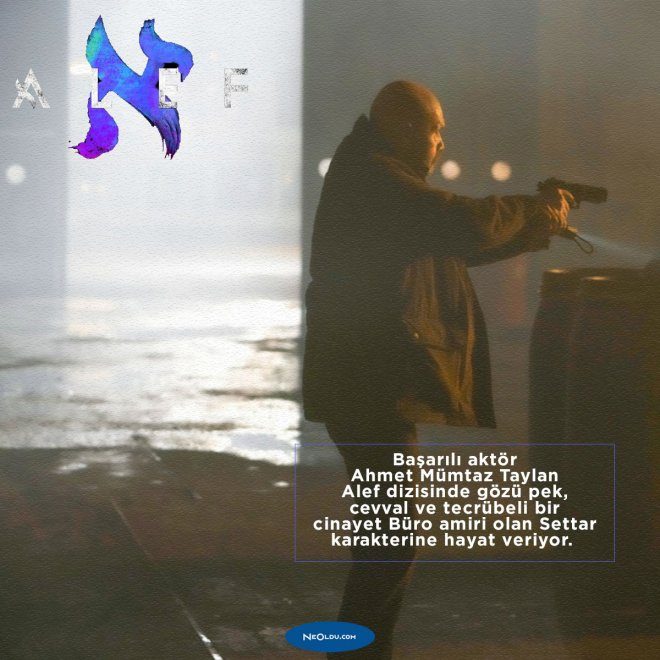
Ahmet Mumtaz Taylan has been a main character in Turkish television and films for many years, known for his commanding presence and subtle acting. But this time it’s different. For the first time, he appears in a new format – an Internet series.
Taylan took the role of Settar in the series Alef. The main character is an experienced head of the homicide office. he is brave He brings a lot of experience. The role requires both authority and some street smarts, but Taylan pulls it off well with his usual precision.
メリサ・ソーゼン – ヤシャール
ヤシャール を演じるメリサ・ソーゼンも彼に加わります。 彼女のキャラクターはダイナミックに別の層を追加しますが、現在焦点はTaylanのデジタルストリーミングへの画期的な移行にあります。
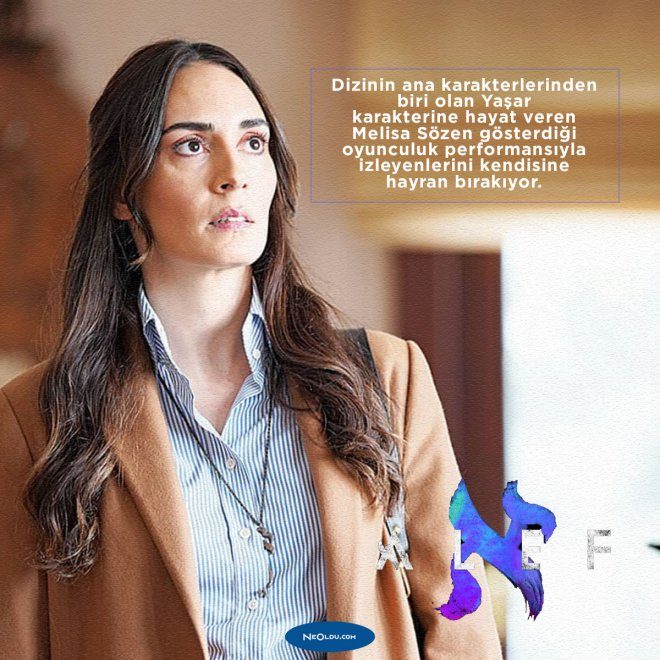
Melisa Sozen is back in the news, and this time she’s the star. After building a solid reputation through several TV series and movies, the actress landed a prominent role in the drama Aleph. She took on the role of Yashar, one of the central characters of the show and gave a performance that mesmerized the audience.
Yasar is more than just a character. She is an intellectual heavyweight. Sozen plays a university professor specializing in the history of Islam. This is a part that requires a strong presence, and Sozen leans into it with quiet dignity, that makes you lean forward in your seat.
But the value of her character extends beyond classroom lectures. The story revolves around a series of gruesome murders in Istanbul. Underneath the blood and panic lie centuries-old secrets, secrets that don’t want to be buried. This is where Yasar becomes indispensable. When investigators Kemal and Settar find themselves in a tight spot, Yashar’s deep knowledge and historical insight help them pierce through the deception. He doesn’t just watch the mysteries unfold. He proves everything. He actively helps solve the mystery and proves that his character’s mind is as sharp as the complexity of the crime.